Top 10 Rayon Knitted Fabric Types for Global Buyers
Choosing the right Rayon Knitted Fabric can shape comfort, appearance, cost, and customer satisfaction. Global buyers face many options, including jersey, rib, interlock, French terry, velour, and jacquard constructions. Each type behaves differently during cutting, sewing, washing, and long-distance transport.
This guide introduces ten practical fabric types for international sourcing decisions. It considers drape, stretch, surface texture, weight, breathability, and end use. A soft 180 GSM jersey may suit lightweight dresses, while a denser rib fabric can support cuffs, necklines, and fitted garments. Small differences matter. They affect production results.
Experienced buyers should request fabric swatches and technical specifications before placing larger orders. Check fiber composition, GSM tolerance, width, shrinkage, spirality, pilling, and colorfastness. Testing should follow recognized methods, such as applicable ISO or AATCC procedures, when buyers need comparable results. Supplier records, laboratory reports, and production samples also help confirm consistency.
No ranking is perfect. Market needs vary by climate, garment design, price level, and washing habits. Even a beautiful fabric may fail if its recovery is weak. We have seen samples look excellent under showroom lighting, then lose shape after laundering. That detail is easy to miss. The following overview therefore balances visual appeal with measurable performance, helping buyers compare Rayon Knitted Fabric choices more carefully and confidently.
Rayon Knitted Fabric: Definition, Structure, and Key Characteristics
Top 10 Rayon Knitted Fabric Types for Global Buyers
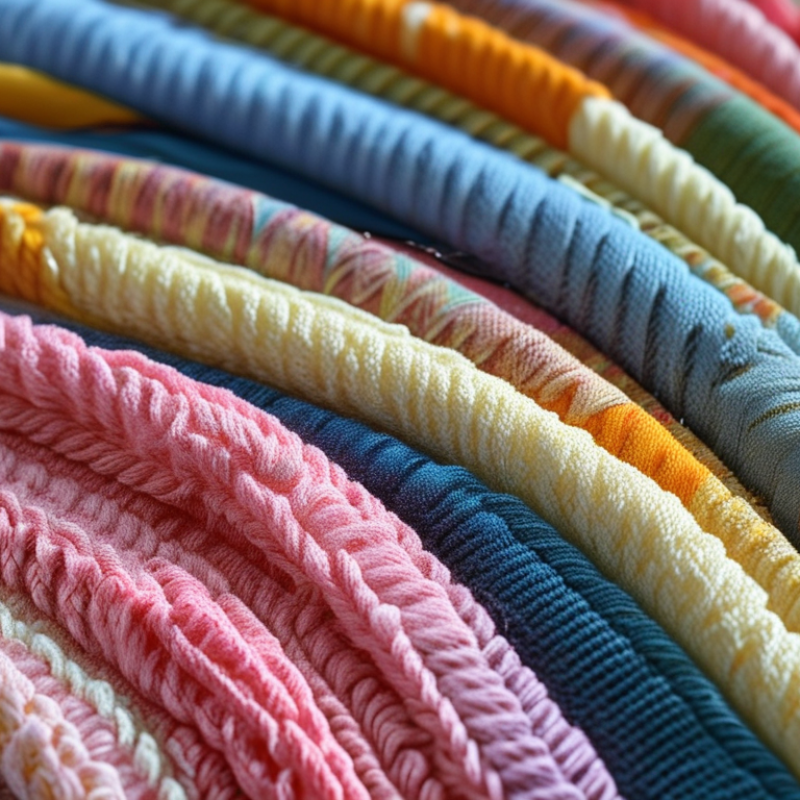
Rayon knitted fabric is a soft textile made from regenerated cellulose, usually processed from wood pulp. Unlike woven rayon, it forms through interlocking yarn loops. These loops create a flexible, fluid surface. Common structures include single jersey, rib, and interlock. Each structure changes the fabric’s performance.
Single jersey feels light and breathable, but it may curl at the edges. Rib fabric offers stronger stretch and recovery for close-fitting garments. Interlock has a smoother, more stable surface on both sides. Yarn count, loop length, and machine gauge affect weight, drape, and durability. A tighter structure often resists distortion better.
Key characteristics include softness, moisture absorption, color clarity, and excellent drape. Rayon also feels cool against the skin. However, softness can hide weaknesses. Poorly controlled finishing may cause shrinkage, pilling, or uneven recovery after washing. In practical fabric inspections, buyers should request GSM, fiber content, shrinkage data, and colorfastness results. Stretch the fabric repeatedly by hand. Observe whether the loops return evenly. Check the surface under direct light. It is easy to judge only by touch, and that mistake can become expensive.
The Top 10 Rayon Knitted Fabric Types for Global Buyers
The Top 10 Rayon Knitted Fabric Types for Global Buyers
Rayon remains popular for its soft touch, fluid drape, and breathable surface. Textile Exchange’s Materials Market Report 2024 estimates global fiber production reached 124 million tonnes in 2023. Man-made cellulosic fibers remain a smaller segment, but demand is growing.
The main options include viscose jersey, modal jersey, lyocell jersey, bamboo rayon jersey, rayon-spandex jersey, rayon rib, rayon interlock, rayon French terry, rayon velour, and slub rayon. Viscose jersey suits dresses and lightweight tops. Modal jersey feels smoother and handles repeated wear well. Lyocell jersey offers a firmer hand and improved moisture management. Bamboo rayon is soft, but buyers should verify its processing claims carefully.
Rayon-spandex jersey supports close-fitting garments, while rib fabric adds stretch at cuffs and necklines. Interlock provides a denser, more stable surface. French terry works for relaxed apparel. Velour creates a plush, directional texture. Slub rayon gives visible irregularity and a handmade appearance.
The Textile Exchange report also highlights rising pressure for traceable, lower-impact fibers. That matters during supplier selection. Ask for fiber composition, GSM, shrinkage, colorfastness, and testing records. A fabric may feel excellent but fail after washing. This is easy to overlook. Buyers should test production samples, not only swatches. Source transparency remains inconsistent, and “eco-friendly” wording should never replace documented evidence.
Performance Differences Among Rayon Knit Fabric Types
Rayon knitted fabrics differ sharply in stretch, recovery, weight, and surface feel. Single jersey offers soft drape and good breathability for lightweight tops. Interlock feels denser and more stable, making it suitable for dresses and fitted garments. Rib knit provides strong stretch, especially at cuffs and necklines. However, poor recovery can create unwanted rippling after repeated wear.
French terry handles moisture better than many smooth knits and adds useful structure without heavy weight. Rayon velour delivers a rich surface, but its pile can flatten under friction. Mesh improves airflow, while jacquard creates visual depth and usually feels heavier. Ponte offers excellent stability, though it may feel less fluid than ordinary jersey. Brushed rayon knits feel warm and soft, yet they may pill when exposed to rough bags or frequent washing. Sweater knits provide insulation, but their shape depends heavily on yarn construction.
In fabric inspections, I check stretch after ten repeated pulls. I also compare dry and damp recovery. Wet rayon can lose strength. That detail is easy to overlook. A rayon-spandex blend often recovers better than pure rayon, but excessive elastane can raise heat retention. My earlier assumption was simple: softer fabric meant better comfort. Testing proved otherwise. A soft knit can cling, snag, or lose shape quickly. Buyers should request weight, blend ratio, shrinkage data, pilling results, and colorfastness reports before choosing among the ten types.
How to Select Rayon Knitted Fabric for Specific End Uses
Top 10 Rayon Knitted Fabric Types for Global Buyers
How to Select Rayon Knitted Fabric for Specific End Uses
Selecting rayon knitted fabric starts with the garment’s real working conditions. Lightweight rayon jersey suits flowing tops, dresses, and breathable sleepwear. Its smooth surface feels cool, but it may stretch during cutting. Rayon rib fabric offers stronger recovery for fitted cuffs, necklines, and body-hugging garments. Interlock provides a denser face and better stability for premium tops or children’s clothing.
For active daily wear, check moisture handling, seam strength, and pilling resistance. Rayon-spandex blends can improve stretch recovery in leggings and fitted dresses. French terry works better for lightweight sweatshirts and relaxed trousers. Rayon velour adds softness and visual depth, yet it can show pressure marks during packing. Always request fabric samples before bulk production. Test washing, drying, colorfastness, shrinkage, and dimensional stability under the buyer’s actual care instructions.
Tips: Match fabric weight to climate and silhouette. Measure stretch across both directions. A fabric that feels excellent by hand may fail after three washes. I have seen suppliers focus on softness while overlooking recovery, which later caused sagging waistbands. Ask for the knitting structure, fiber composition, usable width, and tolerance range. Review laboratory results, but repeat key tests internally when the order is important. Small differences in yarn quality or finishing can change drape noticeably. Do not select fabric from photographs alone. Lose a little speed here. It can prevent costly alterations later.
Global Buying Standards, Quality Checks, and Sourcing Considerations
Rayon knitted fabrics include jersey, rib, interlock, French terry, velour, and blended structures. Global buyers should match each type with its final use, climate, and performance expectations. A lightweight jersey may suit breathable tops, while dense interlock offers better shape stability. The lowest price often hides higher shrinkage.
Quality control should begin with a sealed sample and a clear specification sheet. Record composition, GSM, usable width, stitch density, shade, and finishing method. During inspection, measure shrinkage after washing, spirality, pilling, colorfastness, bursting strength, and fabric recovery. Check three areas of each roll, not only the center. Look for oil marks, dropped stitches, barre, holes, and uneven dyeing. Small defects become expensive after cutting.
A reliable supplier should provide recent test reports, production records, and traceability for each lot. Confirm the testing method and destination-market requirements before placing an order. Certifications can support claims, but they do not replace physical inspection. A perfect report may still miss poor bulk consistency. That is the uncomfortable part. Approve a pilot lot before scaling production, and compare it with the signed sample under daylight. Discuss minimum order quantities, lead times, packing moisture, replacement terms, and shipment tolerances in writing. Keep extra fabric for future shade matching; rayon can vary between batches.