How to Choose the Best Thin Hoodie Fabric for Bulk Buying?

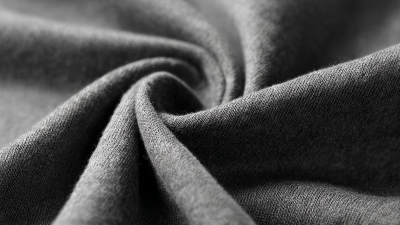
Choosing the right Thin Hoodie Fabric for bulk buying requires more than comparing prices. Fabric weight, fiber composition, surface finish, and production consistency can change the final product significantly. A lightweight hoodie may feel soft in a showroom, yet lose shape after repeated washing. That difference matters.

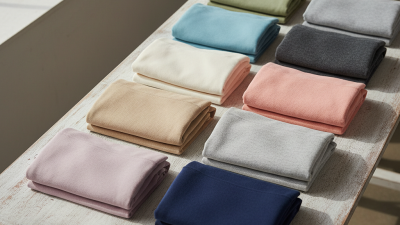
Experienced buyers usually begin with the intended market and garment design. Cotton-rich fleece can offer comfort and breathability, while polyester blends may improve durability and drying speed. French terry provides a smoother, lighter structure than traditional fleece. Check the GSM carefully. A fabric between 180 and 280 GSM may suit transitional seasons, but the best range depends on fit, climate, and branding needs.

Small details reveal practical quality. Rub the surface with a white cloth. Look for loose fibers, uneven dye, or early pilling. Wash the sample three times. Measure shrinkage before approving production. Ask suppliers for composition reports, colorfastness results, and recent batch records. Independent testing can support supplier claims, especially when quantities are large.

Samples can mislead. One roll may perform well while another varies slightly. That risk deserves attention. Request production-lot samples and inspect stitching, stretch recovery, and shade consistency. Supplier communication also matters. Reliable manufacturers explain tolerances instead of promising perfection. No fabric is perfect. However, careful testing, documented specifications, and realistic cost planning can reduce expensive surprises and support a dependable bulk purchase.

How to Choose the Best Thin Hoodie Fabric for Bulk Buying?

Define Thin Hoodie Fabric Requirements for Bulk Orders

Before requesting bulk quotes, write a measurable fabric brief. For a lightweight hoodie, specify 180–260 GSM, rather than simply saying “thin.” Choose cotton, recycled polyester, or a blend according to use. Cotton offers a dry, natural hand feel. Polyester improves drying speed and shape retention. Textile Exchange’s Materials Market Report 2023 estimated polyester represented 54% of global fiber production in 2022, while cotton accounted for 22%. This scale affects availability and pricing, but it does not guarantee comfort.

Define the construction carefully. Ask for single jersey, French terry, or lightweight fleece, then state the required stretch and recovery. Record finished width, shade tolerance, and acceptable shrinkage after washing. A practical bulk specification may limit shrinkage to 3% and require colorfastness testing under recognized ISO or AATCC methods. Request physical samples from the same production route. A lab swatch can feel different. That mistake is common.

Check pilling after repeated abrasion, especially around cuffs, backpack areas, and the underarm. Textile Exchange also reported that recycled polyester made up a growing share of polyester supply, but certification and traceability still need verification. Request transaction documents, fiber-content testing, and a recent test report. Do not rely on a sustainability claim alone. I would also test two GSM levels before ordering. The lighter option may reduce freight costs, yet it can look weak around the hood and pocket seams. Bulk buying rewards precise requirements, not attractive sample photography.
How to Choose the Best Thin Hoodie Fabric for Bulk Buying?

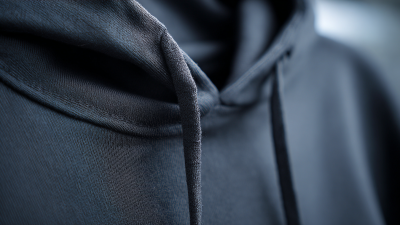
Define thin hoodie fabric requirements for bulk orders by comparing typical fabric weight before approving samples and production quantities.

Bulk-Order Fabric Requirements

For a lightweight hoodie, start by screening fabrics between 180 and 240 GSM. Around 180–200 GSM is suitable for warm-weather layering, while 210–240 GSM offers more coverage and durability without becoming a heavy sweatshirt. Always confirm GSM after washing, then evaluate shrinkage, pilling, colorfastness, stretch recovery, hand feel, and sample consistency before placing a bulk order.

Compare Key Fabric Types and Their Performance

For bulk buyers, thin hoodie fabric must balance comfort, strength, cost, and production consistency. Pure cotton jersey feels natural and allows steady airflow during mild weather. It absorbs sweat well, but it may shrink after washing and dry slowly. A 180–240 GSM cotton fabric can feel light without becoming transparent. Ask for pre-shrunk treatment and check the fabric after three washes.

Cotton-polyester blends usually perform better in repeated commercial use. Polyester improves shape retention, drying speed, and resistance to wrinkles. Cotton adds softness and reduces the plastic-like feeling. A 60/40 blend can suit daily uniforms, while a higher polyester ratio may handle frequent washing better. Still, rough surfaces can encourage pilling around the cuffs and under backpack straps. Softness is not everything.

Modal or viscose blends offer a smooth hand feel and attractive drape. They work well for relaxed, lightweight hoodies, especially in indoor climates. However, some versions lose strength when wet or stretch around the neckline. The fabric may look excellent on a sample and disappoint after production. Test colorfastness, seam recovery, pilling, shrinkage, and print adhesion before placing a large order. I would also compare fabric rolls, not just swatches. Small differences in knitting tension can change the final fit. Perfect samples can hide imperfect batches.

How to Choose the Best Thin Hoodie Fabric for Bulk Buying? - Compare Key Fabric Types and Their Performance

Fabric Type Typical Fiber Content Typical Fabric Weight Breathability Moisture Management Shape Retention Pilling Resistance Main Advantages Main Considerations Bulk-Buying Suitability
Lightweight Cotton Jersey 100% cotton 160–220 g/m² High Absorbs moisture; dries slowly Moderate Moderate Soft hand feel, natural comfort, easy to print, low static Can shrink, wrinkle, and lose shape if washed or dried at high temperatures Good for comfort-focused orders
Lightweight Polyester Jersey 100% polyester 140–200 g/m² Moderate to high, depending on knit structure Low absorbency; dries quickly High High, if properly finished Lightweight, durable, quick-drying, colorfast, low shrinkage May retain odor, create static, or feel less natural against the skin Very good for repeat production
Cotton–Polyester Jersey Commonly 60% cotton / 40% polyester or 50% cotton / 50% polyester 170–230 g/m² Moderate to high Balanced absorption and drying speed High Moderate to high Combines cotton softness with improved durability and dimensional stability Less breathable than pure cotton in some constructions; fiber ratio affects performance Excellent all-purpose option
Cotton–Elastane Jersey Typically 95% cotton / 5% elastane 180–240 g/m² High Absorbs moisture; moderate drying speed High stretch recovery when well made Moderate Flexible fit, soft feel, improved comfort for fitted thin hoodies Higher material cost; elastane can be damaged by excessive heat and chlorine Good for stretch styles
Viscose–Cotton Jersey Commonly 50% viscose / 50% cotton 160–220 g/m² High High absorbency; slower drying Low to moderate Moderate to low Smooth drape, soft touch, comfortable in warm conditions May stretch or weaken when wet; requires careful washing and quality control Suitable for premium-feel programs
Recycled Polyester Jersey 100% recycled polyester, subject to verified material documentation 140–210 g/m² Moderate to high Low absorbency; dries quickly High High, depending on yarn and finish Lightweight performance, low shrinkage, potential recycled-content positioning Must verify recycled content and color consistency; can retain odor like conventional polyester Very good when documentation is required
Bulk-buying checkpoints: Confirm the actual GSM, fiber composition, shrinkage after washing, colorfastness, pilling performance, dimensional stability, and test-sample results before placing a large order. Fabric performance varies with yarn quality, knit construction, finishing, dyeing, and garment washing.

Evaluate Weight, Stretch, Breathability, and Durability

When buying thin hoodies in bulk, fabric weight sets the starting point. A lightweight knit around 180–240 gsm feels easy to layer and ships efficiently. Yet weight alone can mislead. Two fabrics with identical gsm may drape differently because of yarn size and finishing. During sampling, hold the hoodie against light and check its surface. Very open knits can lose shape after repeated wear. That mistake becomes expensive.

Stretch should support movement without making the garment look loose. Test the body, cuffs, and waistband separately. Pull each area gently, then measure recovery after one minute. A practical blend may include elastane, but the percentage is not the whole story. Poor recovery creates wavy hems and enlarged neck openings. Request wash-test samples before placing a large order. Record measurements before and after washing. Use consistent water temperature and drying methods. Small testing errors can distort decisions.

Breathability depends on fiber content, knit structure, and finishing treatments. Wear a sample for several hours in a warm room. Notice whether moisture remains against the skin. Durability requires more than a strong first impression. Check seam density, surface pilling, color stability, and abrasion resistance. A basic rubbing test can reveal weak areas around the elbows and pocket edges. Laboratory reports add confidence, but real handling still matters. I once favored a softer fabric that failed faster than expected. Comfort was excellent. Long-term value was not.

Check Supplier Standards, Certifications, and Sample Quality

When buying thin hoodies in bulk, inspect the supplier before comparing prices. Ask for factory details, production capacity, and written quality standards. Reliable suppliers should explain their fabric inspection process clearly. Vague answers deserve caution.

Request the fabric composition, weight, width, shrinkage rate, and pilling test results. A thin hoodie may feel smooth but lose shape after washing. Check whether the supplier follows recognized textile safety and environmental standards. Review certification numbers, validity dates, and covered product categories. A certificate is useful only when it matches the actual fabric and factory. Ask for recent test reports from an independent laboratory. Keep copies with your purchase records.

Never approve bulk production from photos alone. Order several samples from different dye lots when possible. Wash one sample at the planned temperature. Measure sleeve length, body width, and hood shape before and after washing. Look for twisted seams, uneven cuffs, loose threads, and visible needle marks. Rub the fabric with a white cloth to check color transfer. Feel the inside surface after drying. It should remain soft without excessive fuzz.

I have learned that sample checks can still miss production changes. Dyeing conditions may shift. A supplier may also send its best sample. For this reason, include inspection points in the purchase agreement. Set acceptable limits for shrinkage, shade variation, stitching, and fabric weight. A small testing cost can prevent a large inventory problem.

Calculate Total Costs and Confirm Bulk Purchase Details

Bulk buying thin hoodie fabric requires more than a quoted meter price. Define composition, GSM, usable width, stretch, finish, and shrinkage tolerance in writing. A 200–240 GSM knit may look economical, yet narrow width increases cutting waste. Textile Exchange’s 2024 Materials Market Report recorded 124 million tonnes of global fiber production in 2023. Polyester dominated the mix. Fiber selection affects supply stability, testing, and final cost.

Build a landed-cost sheet before approving the order. Include fabric, dyeing, lab dips, testing, inland transport, freight, insurance, duties, bank charges, and inspection. Divide the total by sellable meters, not shipped meters. A 5% cutting loss turns 10,000 meters into only 9,500 usable meters. UNCTAD reports that maritime transport carries over 80% of world merchandise trade by volume. Freight assumptions need a written validity date. Add a contingency allowance. My first estimate is rarely perfect.

Tips: Request a pre-production sample and confirm the actual GSM after washing. Check MOQ, lead time, roll length, packing method, and color tolerance. Confirm whether the price is FOB, CIF, or delivered. Record payment stages and inspection rights on the purchase order. Ask the supplier to approve every specification in writing. Small omissions become expensive.