Choosing Fashion Knitted Fabric for global sourcing requires more than comparing colors, prices, and supplier catalogs. The wrong selection may pill after washing, lose shape during transport, or feel uncomfortable against the skin. A fabric that looks excellent under showroom lights can behave differently in production. Test it physically.
Sandy Black, a fashion and textile researcher at London College of Fashion, has emphasized, “Knitting is a technology, not just a craft.” This perspective matters when evaluating global suppliers. Knit construction, yarn composition, gauge, finishing, and recovery each affect product performance. Cotton jersey suits breathable basics, while viscose blends may offer softer drape. Recycled polyester can improve durability, but its quality varies between mills.
Global sourcing also requires evidence. Request fiber specifications, test reports, colorfastness results, shrinkage data, and production samples. Examine the fabric after washing, stretching, folding, and prolonged rubbing. Small details matter. Check the roll width, weight, edge curling, and surface fuzz.
Supplier conversations should cover minimum order quantities, lead times, inspection procedures, packaging, and traceability. Certifications can support responsible decisions, but certificates should be verified. They are not automatic proof of consistent quality.
There is no perfect fabric. A low-cost option may create higher returns or waste later. That uncomfortable possibility deserves attention. Buyers should compare total performance, not only the initial quotation. This guide explains how to assess Fashion Knitted Fabric with practical judgment, technical knowledge, and dependable sourcing evidence. Forecasts can be wrong. Testing remains the safer teacher.
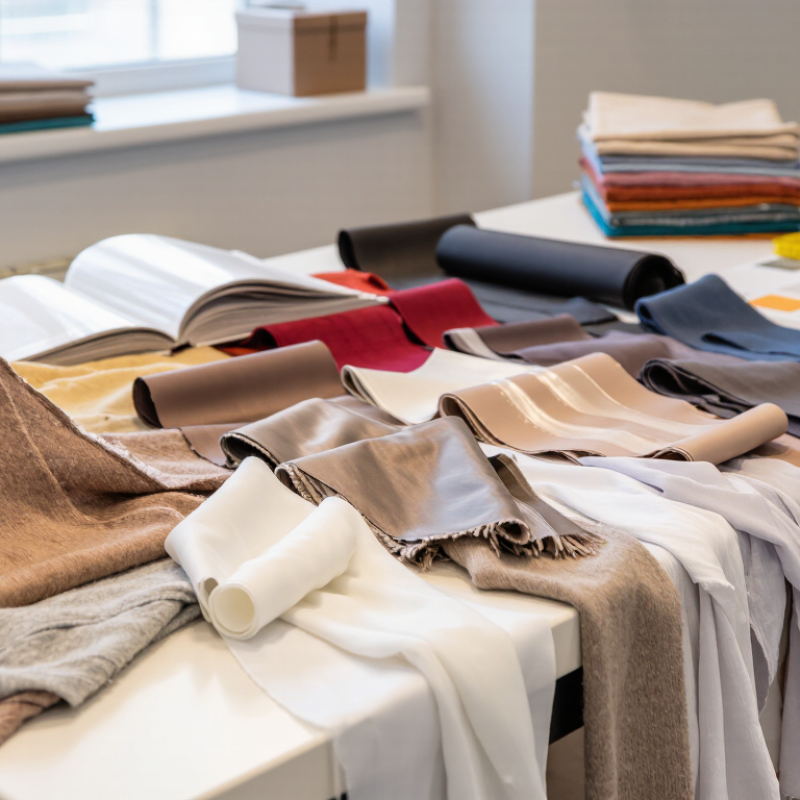
Fashion knitted fabric is made by forming loops, creating stretch, softness, and varied surface effects. The right type depends on garment use, climate, and production conditions.
Single jersey is light and flexible, making it suitable for T-shirts, underwear, and warm-weather fashion.
Interlock has two connected layers, offering a smoother face and stronger shape retention. It works well for premium tops, dresses, and children’s clothing.
Rib knit stretches across the body and recovers effectively. Designers commonly use it for collars, cuffs, waistbands, and fitted garments.
Fleece knit has a brushed inner surface that improves warmth for sweatshirts and casual outerwear.
Mesh knit supports airflow in sportswear and lightweight summer pieces.
Jacquard knit can create patterns without separate printing, but its structure may increase production cost.
Global sourcing requires more than selecting a visually attractive sample.
A supplier should confirm fiber content, fabric width, weight, shrinkage, colorfastness, and pilling performance. These details can change after washing or long-distance transport.
I have seen fabrics that looked excellent under showroom lighting but felt too heavy in humid climates. No selection is perfect. A lighter fabric may improve comfort but reduce durability.
Regional testing helps buyers match fabric types with real consumer habits, seasonal temperatures, and care methods. Small laboratory checks remain valuable, especially when production crosses climate zones.
How to Choose Fashion Knitted Fabric for Global Sourcing?
Assess Fiber Content, Fabric Structure, and Performance Requirements
When sourcing fashion knitted fabric across borders, begin with fiber content, not appearance. Ask for the blend percentage, yarn count, and a current test report. Viscose can improve drape, while polyester often supports durability and color retention. Elastane adds stretch, but excessive heat may reduce recovery. Small percentages matter. Check whether recycled or regenerated fibers require separate documentation in the destination market. Do not rely on a hangtag or a supplier’s verbal description.
Fabric structure changes how a garment behaves. Compare single jersey, rib, interlock, and spacer constructions with the product’s intended use. Examine loop density, GSM, width, and surface uniformity under consistent lighting. For a fitted top, measure stretch in both directions and record recovery after repeated extension. For lightweight fashion, test spirality and shrinkage after washing. Rib may recover well at the cuff, yet it can distort under poor finishing. Touch is useful, but touch alone is unreliable.
Performance testing should mirror real handling. Request pilling, colorfastness, abrasion, bursting strength, and dimensional stability results. Confirm test methods, conditioning, sample size, and laboratory identity. Keep a sealed reference swatch from the approved lot. That small habit can expose shade or weight changes during bulk production. I once approved a soft sample that failed after washing. The lesson was uncomfortable: comfort at the sampling table proved almost nothing. Allow time for pilot knitting and independent verification. Supplier communication improves when every requirement has a measurable tolerance.
| Fabric Category | Typical Fiber Content | Fabric Structure | Typical Weight | Key Performance Requirements | Recommended Applications | Global Sourcing Checkpoints |
|---|---|---|---|---|---|---|
| Lightweight T-Shirt Jersey | 100% cotton or 60–70% cotton / 30–40% polyester | Single jersey, usually 30–40 Ne yarn | 120–180 g/m² | Soft hand feel, dimensional stability, acceptable pilling resistance, colorfastness to washing and perspiration | T-shirts, base layers, casual tops | Verify finished width, spirality, shrinkage after washing, shade continuity, and fabric skew |
| Heavyweight Jersey | 100% cotton or 80–95% cotton / 5–20% recycled polyester | Compact single jersey or interlock | 200–320 g/m² | Body coverage, low torque, abrasion resistance, stable dimensions, controlled surface hairiness | Premium T-shirts, dresses, relaxed-fit garments | Check compactness, fabric weight tolerance, needle lines, wash appearance, and panel-to-panel consistency |
| Stretch Fashion Jersey | 90–95% nylon or polyester / 5–10% elastane | Single jersey with covered elastane or plated elastane | 180–280 g/m² | Four-way stretch, recovery after extension, opacity, resistance to chlorine or perspiration when required | Bodycon dresses, leggings, fitted tops, dancewear | Measure stretch and recovery in both directions; assess elastane damage, seam slippage, and color migration |
| Interlock | 100% cotton, 95% cotton / 5% elastane, or synthetic blends | Double-knit interlock with smooth faces on both sides | 180–280 g/m² | Smooth surface, good opacity, balanced stretch, low curling, dimensional stability | Babywear, underwear, premium tops, loungewear | Confirm face/back similarity, weight uniformity, wash shrinkage, needle damage, and edge stability |
| Rib Knit | Cotton, cotton/polyester, or cotton/elastane blends | 1×1, 2×2, or fine-gauge rib construction | 180–350 g/m² | High crosswise stretch, strong recovery, clean wale definition, resistance to bagging | Neckbands, cuffs, fitted tops, body-hugging garments | Check relaxed width, recovery after repeated extension, tube distortion, and matching shade with main fabric |
| French Terry | 70–100% cotton, with optional polyester or elastane | Knitted face with unbrushed looped back | 220–360 g/m² | Moisture absorption, loop integrity, low pilling, adequate recovery, comfortable drape | Sweatshirts, joggers, casual dresses, lightweight outerwear | Inspect loop density, back-side defects, snagging, shrinkage, and colorfastness after laundering |
| Fleece Knit | 60–80% cotton / 20–40% polyester or 100% polyester | Three-thread fleece with brushed or unbrushed back | 280–450 g/m² | Thermal insulation, low shedding, pilling resistance, stable surface nap, acceptable abrasion resistance | Hoodies, sweatpants, winter casualwear | Check nap direction, brushing uniformity, lint release, pilling after abrasion, and dimensional change |
| Performance Polyester Knit | 100% polyester or polyester/elastane blends | Mesh, pique, birdseye, or engineered jacquard knit | 120–220 g/m² | Moisture management, quick drying, colorfastness, snag resistance, breathability | Activewear, sports tops, uniforms, travel apparel | Request moisture-management data, test odor-control claims separately, and confirm heat-setting stability |
| Fine-Gauge Viscose Knit | 70–95% viscose or modal / 5–30% nylon or elastane | Fine-gauge jersey, rib, or lightweight pointelle | 140–220 g/m² | Soft drape, color depth, resistance to wet distortion, controlled pilling, seam stability | Dresses, blouses, lightweight cardigans, fashion tops | Test wet strength, laundering deformation, shade variation, snagging, and transparency under light |
| Jacquard Fashion Knit | Cotton, polyester, viscose, nylon, or blended yarns | Patterned double-knit or engineered jacquard | 220–400 g/m² | Pattern registration, abrasion resistance, stable dimensions, controlled stretch, clean reverse side | Fashion jackets, structured dresses, skirts, statement knitwear | Confirm repeat size, usable width, alignment tolerance, yarn continuity, and pattern placement after washing |
Global sourcing starts with measurable fabric performance, not attractive color cards. Ask for GSM, fiber composition, stretch recovery, pilling resistance, shrinkage, and colorfastness data. For knitted fabrics, test results should identify method, conditioning, and tolerance. A 180 GSM jersey can feel stable in a showroom but twist after washing. Wash it yourself. Use daylight and a simple measurement grid. These small checks expose gaps between laboratory claims and production reality.
Certifications add confidence, but their scope matters. GOTS can verify organic fiber content and controlled processing, while OEKO-TEX Standard 100 focuses on harmful substances. Check certificate numbers, validity dates, product scope, and transaction documentation. ISO 9001 may indicate documented quality systems, not perfect fabric. That distinction matters. A certificate alone can mislead.
Supplier capability is equally practical. Review knitting equipment, gauge options, dye-house controls, laboratory access, and traceability from yarn to roll. Request a sample, bulk-production report, inspection procedure, and corrective-action record. Reliable suppliers explain rejected lots without hiding uncomfortable details. I have seen promising swatches fail because the factory lacked consistent tension control. That failure is preventable, though not always visible during a first meeting. Compare minimum order quantities, lead times, shade continuity, and replenishment capacity before approving a source. Leave room for uncertainty. Even good data needs independent verification.
Comparison of quality standards, certifications, and supplier capabilities using a practical 0–5 sourcing scorecard.
Higher scores indicate stronger documented capability. ISO 9001 supports quality-management control; ISO 105, ISO 5077, ISO 6330, and ISO 12945 provide recognized approaches for colorfastness, dimensional-change, laundering, and pilling evaluation. OEKO-TEX STANDARD 100 and GOTS address chemical safety and certified organic-textile requirements. Actual acceptance limits should be agreed according to the fabric composition, end use, and destination-market regulations.
Global sourcing starts with the delivered fabric cost, not the mill quote. I compare the same knitted construction, GSM, width, composition, and finish before judging suppliers. The landed-cost sheet includes fabric, testing, duties, inland transport, ocean freight, insurance, financing, and cutting waste. A cheap kilogram can become expensive after shade failures or 8% shrinkage. Request three swatches and one wash test. Small batches matter. Textile Exchange’s Materials Market Report 2024 states that polyester represented about 57% of global fibre production in 2023, so fibre selection can affect both price exposure and compliance documentation. Recycled content may also require separate certificates and verification costs.
Minimum order quantities need practical negotiation. Ask whether the MOQ applies per colour, design, or total kilogram. A 500-kilogram MOQ sounds manageable until six colours require 3,000 kilograms. Lead time should separate yarn booking, knitting, dyeing, laboratory approval, inspection, and dispatch. I usually add a buffer, although I sometimes underestimate approval delays. That assumption fails during peak seasons. Compare quotations under identical Incoterms and request shipment milestones in writing. UNCTAD’s Review of Maritime Transport 2024 reported that Red Sea diversions added roughly 3,500 nautical miles and extended voyages by about 10 days. Therefore, route risk belongs in the purchasing decision. Hold a small safety stock when replenishment is critical. Air freight is faster, but its cost can erase the original fabric saving. Evaluate port congestion, customs reliability, carton protection, and insurance before selecting the lowest offer.
Selecting a knitted fabric supplier requires more than comparing prices. Sampling reveals construction quality, but one swatch cannot prove consistency. Request several samples from different production lots. Check GSM, stretch recovery, hand feel, width, and surface appearance. Record measurements under the same conditions. A fabric may feel soft initially, then lose shape after washing. That detail matters.
Testing should match the garment’s intended use. Evaluate shrinkage, colorfastness, pilling, seam performance, and dimensional stability. Use an independent laboratory when production volume or market distance increases. Review the supplier’s test methods, equipment records, and quality controls. Ask for traceability from yarn to finished roll. A polished report is not enough. Documents can be incomplete, outdated, or misunderstood. Risk assessment should include minimum order quantities, lead times, backup mills, communication speed, and financial stability. Weather, port delays, and raw material shortages can also disrupt delivery.
Tips: Wash samples three times. Measure before and after. Test dark and light colors separately. Visit the facility when possible, or request live production evidence. Keep approved samples sealed and labeled. Do not approve fabric from photographs alone. A supplier that welcomes difficult questions often offers stronger long-term reliability. Still, no assessment removes every risk. That is the part worth remembering.