2026 How to Choose Knitted Jacquard Fabric for Your Business?
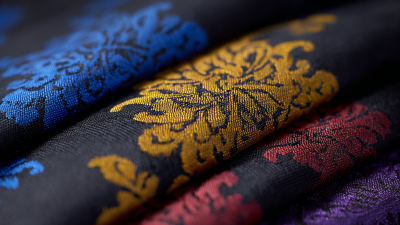
When selecting the right material for your business, "Knitted Jacquard Fabric" stands out as a versatile choice. Expert textile designer Sarah Thompson notes, “The texture and design possibilities of knitted jacquard can elevate any product.” This fabric combines style with functionality, making it suitable for various applications, from apparel to home décor.
As you explore options, consider your target market. Understand their preferences, color trends, and durability needs. The quality of knitted jacquard can vary significantly, and choosing the right supplier is crucial. This involves assessing their production methods, material sourcing, and past projects.
The journey of choosing knitted jacquard fabric is not without challenges. You may encounter issues like inconsistency in patterns or varying fabric weights. Reflecting on these hurdles is essential. Building strong relationships with reliable manufacturers can mitigate these risks. Ultimately, the right knitted jacquard fabric can make a profound impact on your brand’s success.
Choosing Knitted Jacquard Fabric: Key Factors for Business Success
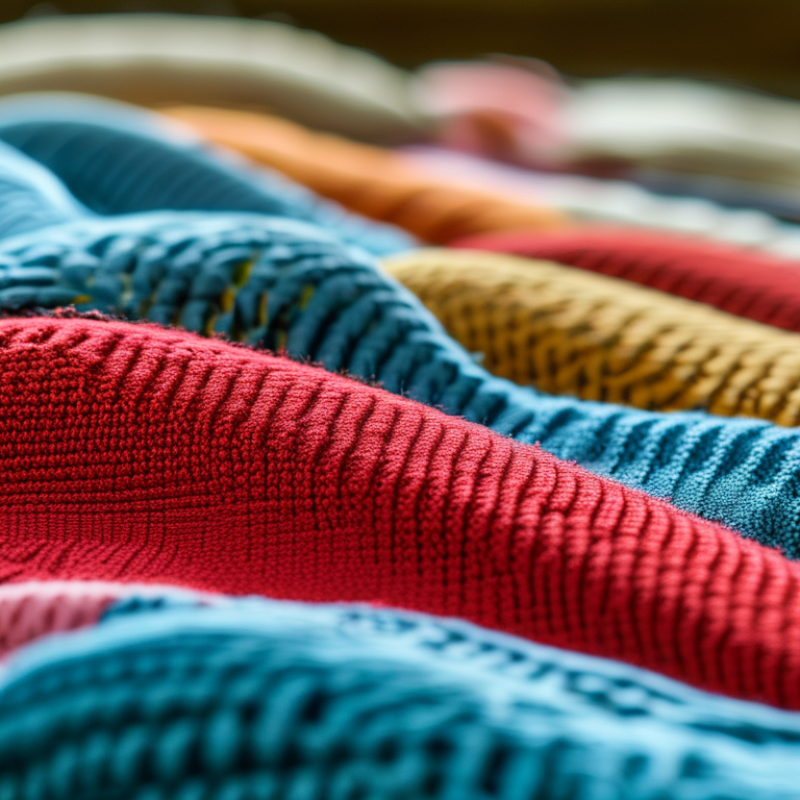
When selecting knitted jacquard fabric for your business, it's vital to focus on material quality. Look at the fiber content. Natural fibers such as cotton, wool, or silk often deliver superior comfort and durability. Synthetic blends can be cost-effective but may lack the luxurious feel. Test samples extensively. Feel the fabric to gauge its softness and stretch.
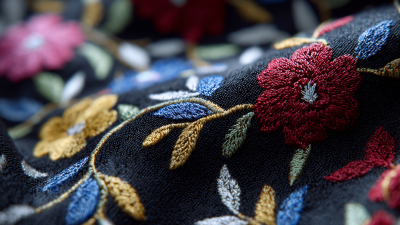
Design is another crucial factor. Jacquard patterns offer unique visual appeal. Ensure your chosen designs resonate with your target audience. Experiment with color combinations and intricate patterns to create a distinctive look. Balance bold designs with understated shades for versatility in your collection.
Cost is undeniably important as well. Higher quality often comes with a price tag. It’s a challenge to maintain budget while ensuring quality. Reflect on your long-term strategy. Sometimes, investing more initially leads to better customer satisfaction and fewer returns. Keep an eye on trends but don’t compromise your brand’s identity for fleeting fashion fads.
Understanding the Types of Knitted Jacquard Fabrics in the Market
Knitted jacquard fabrics come in various types, each with unique characteristics. Understanding these types is essential for making informed business choices. A common type is double-knit jacquard, which boasts a thicker, more substantial texture. This fabric offers both warmth and durability, making it perfect for outerwear. On the flip side, single-knit jacquard is lighter and more versatile. It's ideal for creating fitted garments like t-shirts and leggings. The choice here depends on your target market.
Another category is printed jacquard, where designs are applied to the fabric. This option allows for vibrant colors and intricate patterns. It can be a delightful choice for fashion-forward collections. However, the quality of prints can vary. Some printed fabrics may fade over time, impacting their value. Additionally, consider recycled jacquard fabrics. They offer an eco-friendly choice but may sometimes sacrifice texture for sustainability.
Choosing the right type of jacquard fabric involves weighing aesthetics against practicality. Make sure to source samples. Test them for softness, stretch, and durability. Unfortunately, fabric sourcing can be inconsistent. You might face challenges in quality control. Always remain flexible in your selections and be prepared to adapt as you learn more about your audience's preferences.
Evaluating Quality: Metrics for Assessing Knitted Jacquard Fabrics
When assessing the quality of knitted jacquard fabrics, several key metrics come into play. Thickness, weight, and texture are critical. Industry reports suggest that fabrics with a weight of 220-300 grams per square meter (GSM) tend to offer better durability. This ensures machines in production can handle stress without degrading quickly.
Another important aspect is stretchability. High-quality jacquard should offer 15-30% elasticity. This elasticity is essential for garments that require comfort and movement. Poor elasticity can lead to garments losing shape, resulting in rejected products.
Tips: Always check for a certification that guarantees quality. Certifications can indicate whether a fabric meets industry standards.
Examining the fabric's finish is equally crucial. A well-finished jacquard fabric should have a smooth surface and vibrant colors, contributing to overall aesthetics. Reports indicate that fabrics treated with eco-friendly dyes can enhance marketability, tapping into the growing trend for sustainable fashion. Fabric defects such as uneven patterns or fading significantly affect potential returns. Regular sampling and testing for these factors during production can mitigate risks.
Tips: Partner with trusted suppliers who can provide transparency about their fabric production and handling processes.
Sourcing Trends: Where to Find Reliable Knitted Jacquard Suppliers
Sourcing reliable knitted jacquard suppliers is critical for businesses looking to thrive in the textile industry. Recent industry reports indicate that the global jacquard fabric market is expected to grow by 4.2% annually, reaching $27.5 billion by 2026. This growth presents both opportunities and challenges for businesses aiming to source quality materials.
To find trustworthy suppliers, consider attending textile trade shows and exhibitions. These events provide a platform to meet manufacturers and assess their products firsthand. Additionally, online platforms like Alibaba and Global Sources can connect you with suppliers worldwide. However, not all suppliers on these platforms are reliable. Conducting thorough background checks and reading reviews is essential.
Another aspect to consider is the environmental impact of your sourcing decisions. Sustainable practices are increasingly in demand. A report from the Textile Exchange found that 60% of consumers prefer brands sourcing sustainable materials. Ensure that your suppliers follow eco-friendly practices. This approach not only attracts customers but may also enhance your brand's reputation.
2026 Knitted Jacquard Fabric Sourcing Trends
Cost Analysis: Budgeting for Knitted Jacquard Fabric in Production
When entering the market for knitted jacquard fabric, budget considerations are crucial. The average cost per yard for high-quality jacquard fabric ranges from $10 to $30, depending on material and complexity. Industry reports indicate a projected annual growth rate of 5.2% in the textile sector, emphasizing the demand for unique knitted designs. However, budgeting should also account for production overheads and labor costs.
It's essential to carefully analyze the cost structure. For instance, the introduction of advanced knitting technologies may reduce labor costs. Nevertheless, investing in these technologies often requires an upfront budget of $50,000 or more. Small businesses may struggle with initial investments while managing cash flow.
Research also shows that sourcing locally can lead to higher material costs but improves quality control. Many manufacturers find that this trade-off is worth it. However, managing these expenses is challenging. Ignoring hidden costs, such as shipping and tariffs, can derail initial plans. Accurate budgeting is key to success in this competitive market.