10 Best Knitted Jacquard Fabric Options for Your Projects?
Knitted Jacquard Fabric is a remarkable textile choice for various creative projects. Its versatility and intricate designs attract crafters and designers alike. Whether you are making cozy sweaters or elegant home decor, this fabric elevates your creations with depth and texture.
The artistry behind Knitted Jacquard Fabric lies in its unique patterns. These patterns emerge from the sophisticated knitting technique that intertwines different colored threads. This creates stunning visual effects that can enhance any garment or project. However, sourcing the right fabric can be overwhelming. Not all options available in the market are suitable for every endeavor.
Finding the perfect Knitted Jacquard Fabric means considering factors such as weight, stretch, and care instructions. Each project demands a specific type of fabric, leading to a journey of trial and error. As you explore different options, reflections on your preferences and needs will shape your final choice. Embrace the process, and let your creativity flow with the right fabric.
Understanding Knitted Jacquard Fabric: A Comprehensive Overview
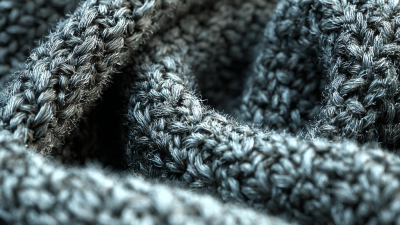
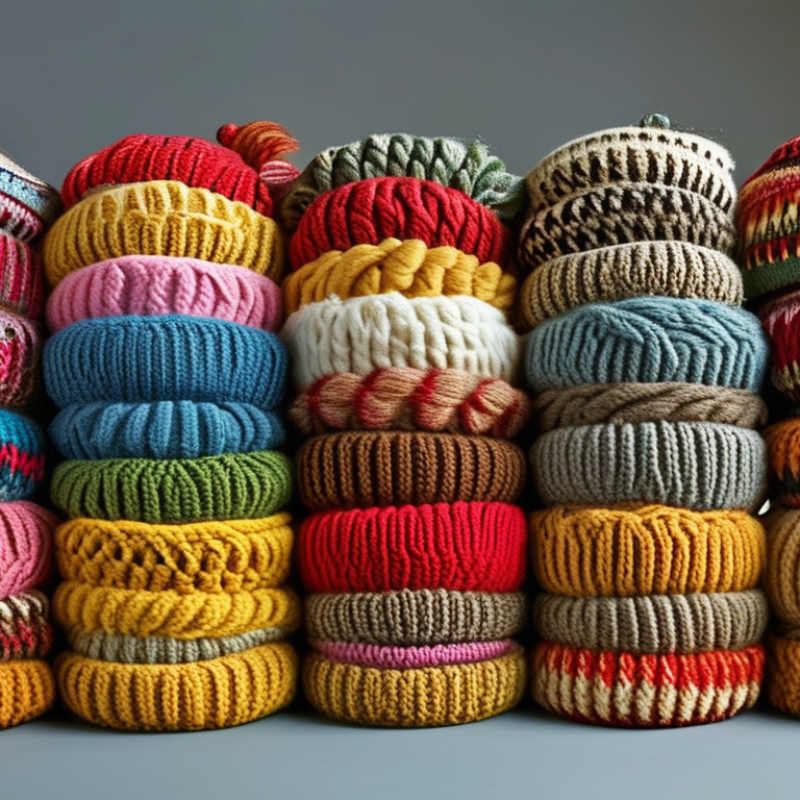
Understanding knitted jacquard fabric begins with its unique structure. This fabric combines intricate patterns with elasticity. The process involves multiple yarn colors interwoven to create detailed designs. Each piece tells a story. Patterns can be floral, geometric, or abstract, providing endless creative possibilities.
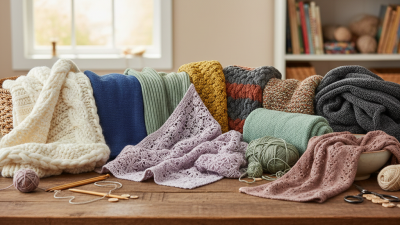
The versatility of knitted jacquard makes it perfect for various projects. It is commonly used in sweaters, scarves, and home textiles. The texture is warm and inviting, often adding depth to garments. However, working with this fabric presents challenges. It requires careful handling to avoid distortion of the intricate patterns. Knitters must pay attention to tension and gauge.
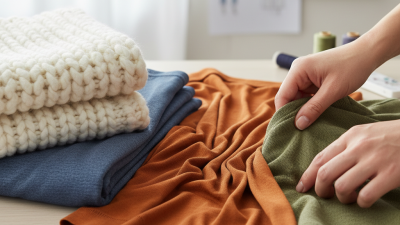
When selecting jacquard fabric for a project, consider the drape. Some fabrics may not work well for structured designs. Additionally, the yarn’s composition affects the final look and feel. The color choices can significantly influence the overall aesthetic. Finding the right balance between design and functionality is essential for achieving desired results.
Characteristics and Benefits of Knitted Jacquard Fabrics
Knitted jacquard fabrics are celebrated for their unique patterns and textures. The intricate designs are created using specialized knitting techniques. This results in a fabric that is both visually striking and highly functional. The versatility of these fabrics makes them ideal for a variety of projects, from sleek apparel to cozy home textiles. The vibrant colors and complex patterns can elevate any design.
One of the key benefits of knitted jacquard is its elasticity. Unlike woven fabrics, knitted options flex with movements. This characteristic enhances comfort, especially in clothing items. Another notable feature is breathability. Knitted jacquard allows air circulation, making it suitable for different weather conditions. However, not all knitted jacquard fabrics are created equal. Some may not hold their shape well after washing. It's essential to test different types for your specific application.
Furthermore, these fabrics are often easy to care for, but they can snag easily. It’s important to consider the weight and stiffness of the fabric. Heavier jacquard fabrics might be less forgiving in design. Consider how the fabric will drape and flow. Experimentation can lead to surprising results or disappointments. Careful selection and a bit of trial and error can guide you to the best choice for your project.
Top 10 Knitted Jacquard Fabric Options for Various Projects
Knitted jacquard fabric offers unique patterns and textures for various creative projects.
One key aspect is its multi-colored design, which adds depth. Many crafters like to use it for
sweaters and blankets. The cozy feel and vibrant patterns make it a favorite choice. However, selecting the right option can be tricky.
Some fabrics may stretch more than expected or pucker after washing.
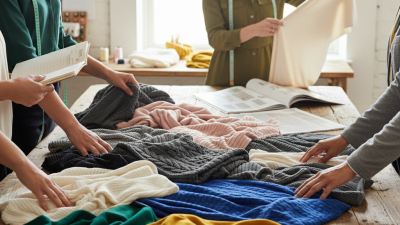
When considering various projects, think about the weight of the fabric.
A heavier jacquard may work well for outerwear, while a lighter option suits home decor or accessories.
Consider your end goal carefully. It’s important to understand how the fabric behaves when manipulated.
Some designs may fray easily, which is an issue for beginners. Testing a swatch before fully committing can save time and resources.
Another aspect to reflect on is the fabric's drape. Some knits can be stiff,
while others flow beautifully. This quality impacts how your final project looks and feels. Pay attention to these details as they
can define your work. Exploring different sources for jacquard fabric might yield unexpected finds.
The perfect choice is out there, but it requires a bit of research and practice.
How to Choose the Right Knitted Jacquard Fabric for Your Needs
When selecting knitted jacquard fabric, consider the weight and stretchability. Fabrics with higher elasticity are great for activewear. According to a report by the Textile World, stretchable knit fabrics make up approximately 30% of the knitwear market. This indicates that project needs for comfort and flexibility are paramount.
Look at the fabric's design intricacies. Jacquard patterns can vary greatly in density and complexity. A study by the Journal of Textile Science revealed that intricate patterns require careful consideration, as they impact the fabric's drape. This can ultimately affect how the finished project looks and feels.
Understanding the fiber content is essential. Natural fibers like cotton provide breathability, while synthetics offer durability. The right fiber blend can enhance comfort and longevity. However, a common oversight is assuming all jacquard fabrics perform the same. Each choice has unique properties, so evaluate how the fabric interacts with your design goals. Such reflections can lead to better decisions in your fabric selection process.
10 Best Knitted Jacquard Fabric Options for Your Projects
| Fabric Type |
Composition |
Weight (g/m²) |
Stretch (%) |
Use Cases |
| Cotton Jacquard |
100% Cotton |
180 |
20% |
Apparel, Home Decor |
| Wool Blend Jacquard |
80% Wool, 20% Polyester |
220 |
15% |
Sweaters, Scarves |
| Polyester Jacquard |
100% Polyester |
200 |
25% |
Activewear, Lining |
| Acrylic Jacquard |
100% Acrylic |
190 |
30% |
Costumes, Accessories |
| Silk Blend Jacquard |
70% Silk, 30% Polyester |
150 |
10% |
Formal Wear, Drapery |
| Linen Jacquard |
100% Linen |
160 |
5% |
Summer Apparel, Tablecloths |
| Rayon Jacquard |
100% Rayon |
140 |
15% |
Blouses, Dresses |
| Nylon Jacquard |
100% Nylon |
210 |
20% |
Outerwear, Bags |
| Bamboo Jacquard |
80% Bamboo, 20% Cotton |
170 |
25% |
Eco-Friendly Apparel |
| Cashmere Blend Jacquard |
70% Cashmere, 30% Wool |
250 |
10% |
Luxury Knitwear |
Care and Maintenance Tips for Knitted Jacquard Fabrics
Knitted jacquard fabrics are beautiful choices for various projects. However, caring for them correctly is crucial. Proper maintenance can prolong their life and keep them looking vibrant. Always check the care label before washing. Hand washing is gentle but machine washing on a delicate cycle can work too. Use cold water and a mild detergent to avoid damage.
Drying is another important aspect. Lay the fabric flat to dry. Hanging may cause stretching. Steam can help remove wrinkles, but avoid direct heat. If you notice pilling, gently use a fabric shaver. It's a simple step that can enhance the appearance significantly.
Occasional inspection for loose threads is wise. These fabrics may snag easily. When noticed, fix them immediately to prevent further damage. Store knitted jacquard in a cool, dry place. Avoid direct sunlight, which can fade colors. While these fabrics are durable, they do require thoughtful care to maintain their charm.
Top 10 Knitted Jacquard Fabrics - Popularity and Care Tips