Top Cotton Knitted Fabric Suppliers in China for Global Buyers?
Cotton Knitted Fabric has become a cornerstone of the global textile industry. According to a recent report by Technavio, the cotton fabric market is projected to grow by over 6% annually from 2022 to 2026. This growth is fueled by increasing consumer demand for comfortable and breathable clothing. However, finding reliable suppliers in China can be challenging for global buyers.
China has emerged as a major player in cotton knitted fabric production. With its vast network of suppliers, it offers a diverse range of options for quality and pricing. Yet, not all suppliers meet the same standards. Buyers must navigate this landscape carefully to ensure quality and reliability. The risk of selecting an inferior supplier can lead to significant losses.
Understanding the key players in the market is crucial. Suppliers often vary in their production capabilities and certifications. Buyers should seek suppliers who are transparent and have a proven track record. A focus on sustainable practices can also enhance the credibility of a supplier. It's essential to weigh these factors when sourcing cotton knitted fabric.
Overview of Cotton Knitted Fabrics and Their Applications
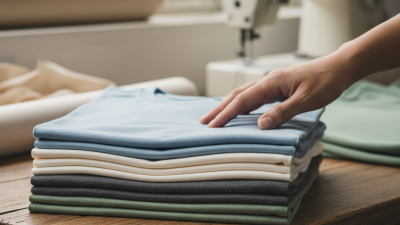
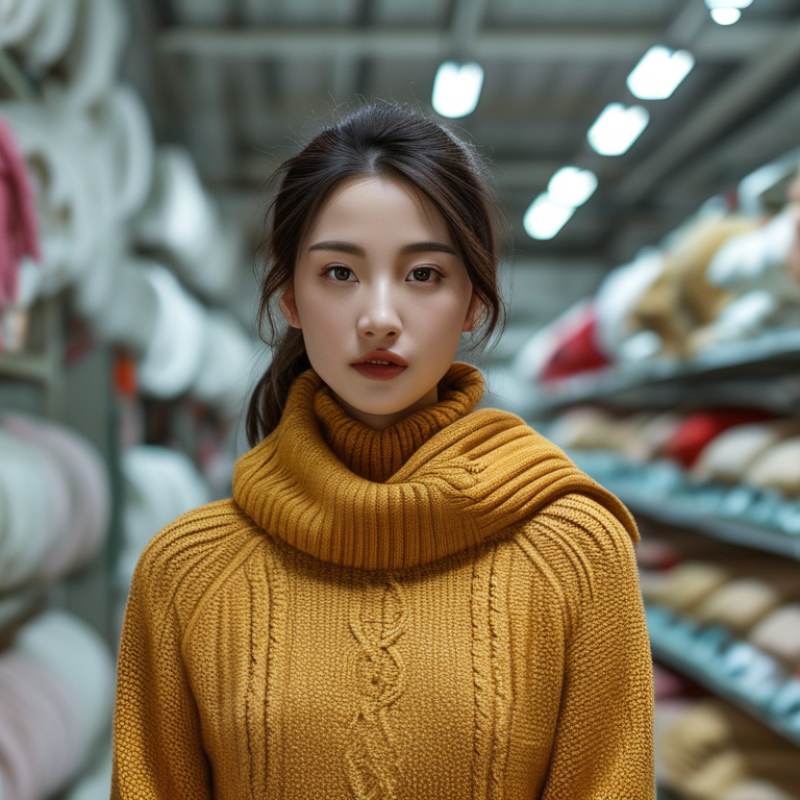
Cotton knitted fabrics are versatile materials widely used in various applications. They offer softness, breathability, and comfort, making them ideal for clothing and home textiles. You can find these fabrics in t-shirts, sweaters, and leggings. The stretch offered by knitted fabrics enhances their adaptability to different body shapes.
When sourcing cotton knitted fabrics, consider the intended use. Different weights and textures can affect the final product. It's essential to consult with experts to ensure the fabric meets your requirements. Choosing the right supplier is key to ensuring quality.
Tip: Look for samples before placing a large order. This way, you can assess the fabric's quality firsthand. Understanding shrinkage rates and care instructions will also help in making informed decisions.
The durability of cotton knitted fabrics is a significant advantage. However, they can sometimes pill or fade. Regular washing and proper care can minimize these issues. It's valuable to stay updated on the latest trends and technologies in fabric production.
Tip: Engage with suppliers who prioritize sustainability. This can lead to higher-quality products and a better impact on the environment. Always read reviews and seek feedback from other buyers.
Key Characteristics of Quality Cotton Knitted Fabrics
Cotton knitted fabrics are crucial for various apparel sectors. Understanding quality is essential for businesses sourcing from China. Quality cotton knitted fabrics exhibit several key characteristics. First, the fabric's stretch and recovery are vital. This insight aligns with a recent industry report indicating that high-quality knits retain 90% of their original shape after multiple washes.
Another important characteristic is breathability. Cotton fibers are naturally breathable, which enhances comfort, especially in warmer climates. According to Textile World, fabrics offering high breathability can absorb moisture effectively, leading to improved user satisfaction. A reliable supplier should provide samples to assess these qualities genuinely.
Moreover, the cotton's fineness and yarn twist impact the fabric’s overall appearance and texture. Fabrics with a lower yarn twist often feel softer but may lack durability. A balance is necessary. Industry experts recommend looking for fabrics with a denier count between 30 and 40 for optimal strength and comfort. While suppliers may claim to offer premium materials, assessing the actual product is critical. Quality assurance processes vary, and self-verification proves indispensable.
Criteria for Choosing a Reliable Cotton Fabric Supplier
Choosing a reliable cotton fabric supplier is crucial for global buyers. Transparency in sourcing is vital. Suppliers should disclose their raw material origins. According to a recent report by the Textile Exchange, sustainable cotton sourcing has grown by 30% in the last five years. This trend reflects a need for eco-friendly practices.
Quality assurance is another critical factor. Buyers should seek suppliers with documented quality control measures. A supplier that can provide data on their production standards demonstrates accountability. The same Textile Exchange report highlights that 80% of companies prioritize quality in supplier selection. This focus ensures the fabric meets international standards.
Communication is essential too. Buyers need suppliers who respond promptly. Slow communication can hinder operations. Moreover, trust can falter with unclear practices. It's important to evaluate reviews and industry references. A consistent online presence can indicate reliability but requires careful assessment. Not every supplier with a good website is trustworthy.
Top Cotton Knitted Fabric Suppliers in China for Global Buyers
Top Cotton Knitted Fabric Suppliers in China: A Comprehensive List
China has become a global hub for cotton knitted fabric production. The country's extensive resources and skilled workforce enhance its competitive edge. Reports indicate that the cotton textile market size in China reached approximately $57 billion in 2023. This sector's growth is expected to continue, driven by rising global demand for sustainable and high-quality fabrics.
Many suppliers offer a wide range of cotton knitted fabrics. They cater to various industries, from fashion to home textiles. Manufacturers focus on innovative designs and eco-friendly production processes. However, not all suppliers maintain the same quality. Some lack certification or transparency in their supply chains. It’s crucial to conduct thorough due diligence. This ensures reliable sourcing and adherence to industry standards.
Collaboration with reputable suppliers is essential for global buyers. The right partnerships can lead to high-quality products and sustainable practices. Yet, challenges remain. The fluctuating prices of raw materials and changing regulations can impact the supply chain. Therefore, maintaining flexibility and adaptability is key in this dynamic market.
Global Market Trends in Cotton Knitted Fabric Industry
The cotton knitted fabric industry is currently experiencing significant growth. Global demand for breathable and comfortable textiles is increasing. Consumers are aware of sustainability. This awareness pushes manufacturers to explore eco-friendly practices. Knitted fabrics, due to their stretchability and softness, align well with these trends. Innovations in dyeing and production techniques further enhance product appeal.
Suppliers in China are adapting to global market preferences. They focus on quality and customer requirements. Collaborations between suppliers and overseas clients are becoming common. This partnership model helps in refreshing designs and ensuring compliance with international standards. However, challenges persist. Supply chain disruptions and fluctuating raw material prices can impact production schedules.
Sustainability remains a prominent theme. Many suppliers are investing in organic cotton production. Transparency in sourcing practices is crucial. Buyers prioritize working with suppliers that share their values. The move towards zero-waste and eco-conscious manufacturing is gradually reshaping the market landscape. As trends evolve, suppliers must remain agile and responsive to meet dynamic consumer needs.