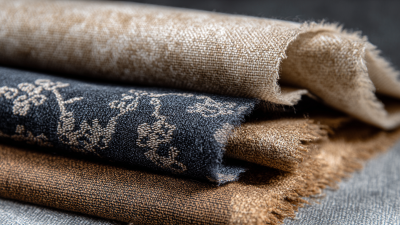
Choosing a reliable supplier is rarely as simple as comparing price lists. Knitted Apparel Fabric must balance softness, stretch, recovery, breathability, colorfastness, and production consistency. A fabric may feel excellent in a sample room, yet lose shape after washing. That mistake can become expensive. This guide examines seven leading suppliers for global buyers, focusing on practical performance rather than attractive catalogs alone.
Textile scientist Dr. Subhash K. Batra explains, “Knitting forms fabric through the intermeshing of loops of yarn.” That structure creates useful flexibility, but it also demands careful control. Yarn quality, machine settings, finishing methods, and dyeing conditions can change the final garment. Experienced buyers should request fabric specifications, test reports, sample meters, and clear production timelines. Certifications such as OEKO-TEX, GOTS, or recycled-content verification may also support responsible purchasing, when properly checked.
The suppliers discussed here serve different needs. Some specialize in cotton jersey for everyday T-shirts. Others focus on performance blends, rib fabrics, fleece, or recycled fibers. Minimum order quantities matter. So do communication speed, shade matching, packing quality, and after-sales support. A supplier with the lowest quote may not offer the lowest total cost. That point is easy to overlook. No ranking can fit every buyer perfectly, either. A small fashion label and a large sportswear manufacturer need different solutions. Use this list as a working guide, not a final decision. Request current documentation, test samples, and honest answers before committing.
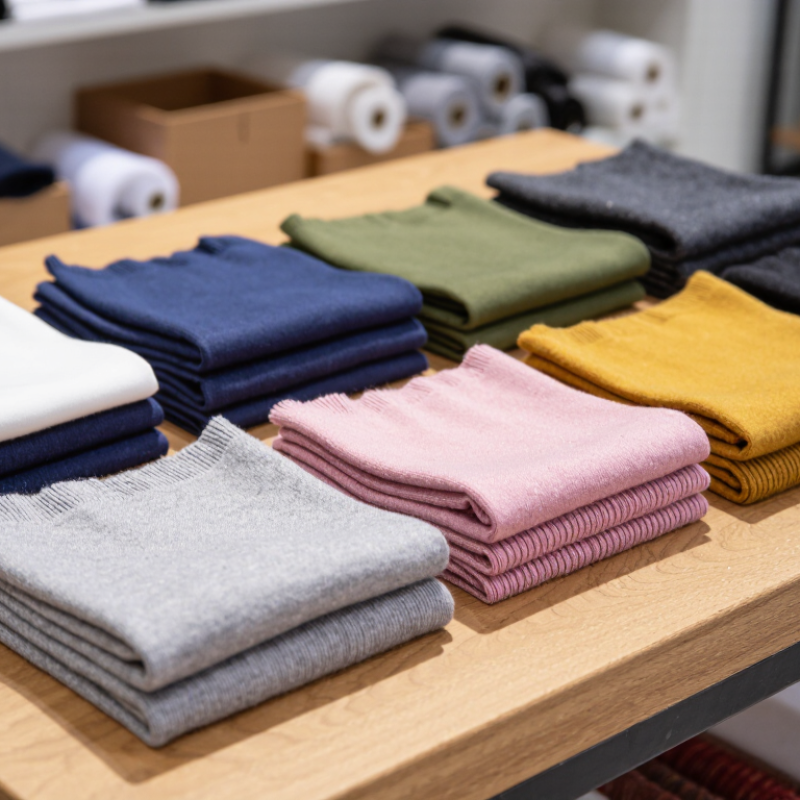
When evaluating knitted apparel fabric suppliers, begin with measurable fabric performance. Request samples with stated fiber content, GSM, width, stretch, and recovery. A reliable supplier should provide recent test reports for shrinkage, pilling, colorfastness, and seam strength. Inspect the fabric after washing, not only under showroom lighting. Small loops can hide uneven tension.
Production experience matters as much as laboratory data. Ask how the supplier controls knitting, dyeing, finishing, and inspection. Visit the facility when possible, or request dated production photographs and audit records. Confirm whether the same specifications can be repeated across different batches. I have seen attractive samples change noticeably during bulk production. That weakness deserves attention. A written approval process for lab dips and strike-offs can reduce surprises.
Commercial reliability also requires careful checking. Compare minimum order quantities, lead times, payment terms, packing methods, and replacement policies. Suppliers should explain their capacity during peak seasons. They should also identify fiber sources and maintain traceable records. Recognized environmental and social certifications may support credibility, but certificates should be verified with the issuing organization. Communication speed is useful, yet clear technical answers matter more. Do not choose the lowest quote automatically. A cheaper fabric may create higher costs through cutting waste, rework, or returns. Ask difficult questions early, even when the answers feel inconvenient.
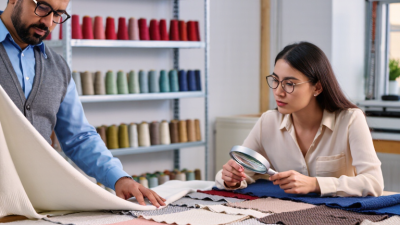
The seven global suppliers were selected through a practical review of knitted apparel production. We examined fabric samples, technical sheets, and recent buyer feedback. Each supplier needed consistent knitting quality, clear communication, and experience with international orders. Swatches were checked for weight, stretch recovery, surface softness, and color stability after washing. Small details mattered.
Production capability was another important measure. We reviewed machinery types, monthly capacity, minimum order quantities, and lead times. Suppliers with flexible sampling processes received stronger consideration. A reliable partner should explain delays before they affect a shipment. That sounds basic. It is not always common.
We also assessed quality-control procedures, material traceability, and compliance documentation. Independent testing was preferred for shrinkage, pilling, colorfastness, and fiber composition. Factory information was compared with sample performance, because paperwork alone cannot prove consistency. We considered communication across time zones, too. A clear reply about yarn sourcing can prevent expensive revisions later. Environmental practices were reviewed carefully, without accepting vague promises as evidence. This method is useful, but not perfect. Supplier performance can change with staff, equipment, or raw-material availability. Buyers should still request current samples, confirm production terms, and inspect the first shipment before scaling orders.
| Supplier ID | Primary Knit Fabric Capability | Typical Fiber Options | International Buyer Coverage | Indicative MOQ | Sampling Lead Time | Bulk Production Lead Time | Quality & Compliance Evidence | Sustainability Documentation | Selection Score |
|---|---|---|---|---|---|---|---|---|---|
| Supplier 01 | Single jersey, interlock, rib, and pique | Cotton, recycled polyester, elastane blends | North America, Europe, East Asia | 300 kg per color | 7–10 working days | 25–35 working days | In-line inspection, shade approval, dimensional stability testing | Organic and recycled-content certificates available upon request | 92 / 100 |
| Supplier 02 | French terry, fleece, sweatshirt knits | Cotton, polyester, modal, recycled fibers | Europe, North America, Oceania | 500 kg per color | 8–12 working days | 30–40 working days | Pre-production approval, laboratory testing, final random inspection | Recycled-content and restricted-substance documentation | 90 / 100 |
| Supplier 03 | Performance jersey, mesh, and sportswear knits | Polyester, recycled polyester, nylon, elastane | North America, Europe, South Korea, Japan | 200 kg per color | 6–9 working days | 22–32 working days | Colorfastness, pilling, stretch-recovery, and moisture-management testing | Recycled-content traceability and chemical-management records | 89 / 100 |
| Supplier 04 | Fine-gauge viscose, modal, and lightweight jersey | Viscose, modal, lyocell, cotton blends | Europe, Middle East, Southeast Asia | 250 kg per color | 7–11 working days | 28–38 working days | Weight, width, colorfastness, and shrinkage reports | Fiber-origin declarations and responsible-processing records | 87 / 100 |
| Supplier 05 | Rib, waffle, thermal, and textured knits | Cotton, wool, acrylic, polyester blends | Europe, North America, Australia | 350 kg per color | 9–13 working days | 30–45 working days | Needle detection, fabric inspection, wash-test, and dimensional-control procedures | Material composition records and wastewater-control documentation | 86 / 100 |
| Supplier 06 | Basic jersey and value-focused apparel knits | Cotton, polyester, viscose, blended yarns | South Asia, Africa, Middle East, Europe | 150 kg per color | 5–8 working days | 20–30 working days | Lot-based inspection, color standard matching, and packaging checks | Fiber-content declarations and factory social-audit support | 84 / 100 |
| Supplier 07 | Premium compact jersey, double knit, and specialty finishes | Extra-long-staple cotton, wool, cashmere blends, elastane | Western Europe, North America, Japan | 400 kg per color | 10–14 working days | 35–50 working days | Third-party laboratory testing, hand-feel approval, and detailed batch records | Preferred-fiber records and chain-of-custody documentation | 91 / 100 |
The seven suppliers below represent different strengths in knitted apparel fabrics. A Turkey-based mill suits buyers needing cotton jersey, rib, and fleece with flexible order quantities. Its sampling process is practical, though response times may slow during peak seasons. A South Korea-based supplier focuses on technical knits, including moisture-control polyester and lightweight spacer fabrics. Test reports are usually detailed, but its minimum order quantities can challenge smaller labels.
An India-based producer offers combed cotton, modal blends, and recycled fibers for everyday clothing. Factory visits often reveal strong dyeing knowledge and careful shade approval. A Portugal-based mill is better suited to premium jersey, brushed sweatshirting, and traceable production. Its fabric hand feels consistent, yet delivery planning requires early booking. A China-based supplier provides broad machinery capacity, from fine-gauge knits to jacquards and interlocks. Buyers should inspect shrinkage data rather than rely only on attractive sample cards.
A Bangladesh-based supplier specializes in large-volume basic knitwear fabrics. It can support competitive pricing and coordinated production, but communication must remain precise. A Japan-based specialist serves buyers seeking high-density knits, textured surfaces, and refined finishing. Its technical control is impressive, although pricing may exceed standard market levels. Across all seven profiles, experienced buyers should compare GSM, width, colorfastness, pilling, and recovery after washing. One overlooked detail can alter an entire size range. Supplier rankings also need regular review, because machinery, certifications, and lead times change.
Comparing seven shortlisted suppliers requires more than checking fabric photos. Cotton jersey feels breathable and soft, while rib fabric offers stronger stretch recovery. Interlock is denser, smoother, and usually costs more. Fleece provides warmth, but its brushing quality can vary between production lots. Recycled polyester often dries faster, although some buyers dislike its slightly synthetic hand feel.
Prices commonly range from 2.20 to 6.80 USD per kilogram, depending on fiber content, weight, dyeing, and order volume. These figures are indicative, not fixed quotations. A 180 GSM cotton jersey may appear inexpensive, but certified organic fiber and low minimum quantities increase the final cost. Ask whether prices include laboratory testing, packaging, and export documents. Small details become expensive later.
Certifications deserve careful verification. Useful records include GOTS for organic textiles, OEKO-TEX for harmful-substance testing, and ISO 9001 for quality management. Request current certificates and confirm the certificate scope. A logo on a quotation is not enough. Typical sample development takes 5 to 12 days, while bulk production may require 20 to 55 days. Complex prints and custom colors extend schedules. I once trusted a promising lead time without confirming yarn availability. The shipment arrived late. That mistake taught me to request a written production plan, shade approvals, inspection points, and a realistic buffer. Needles, dye lots, and finishing equipment can change the result.
Choosing among the seven best knitted apparel fabric suppliers requires more than comparing price lists. Global buyers should examine fabric consistency, production capacity, and communication quality. Request a physical swatch with details such as fiber content, weight, width, and stretch recovery. A 180 GSM cotton jersey may look suitable, yet shrinkage can change the final garment size. Test samples after washing, drying, and repeated stretching.
Supplier reliability also depends on evidence. Ask for recent quality records, laboratory test reports, and clear explanations of factory processes. Check whether the supplier can provide traceability from yarn to finished fabric. Confirm minimum order quantities, sample charges, lead times, payment terms, and procedures for handling defects. Responsible suppliers should understand international product safety, labeling, and environmental requirements. Still, paperwork is not everything. A polished report cannot replace a failed production sample. That is worth remembering.
Tips: Compare at least three samples. Measure shade differences under daylight. Ask how they control rolls with uneven dyeing. Keep written approval for color, weight, and construction. Communication matters more than many buyers expect. Slow replies can become expensive delays. Some suppliers may offer attractive prices but lack flexible sampling or stable capacity. A small trial order can reveal weaknesses before a large commitment. I would not ignore minor defects during this stage; they often become larger problems during bulk production.
This buyer scorecard uses a 100-point evaluation model for comparing knitted apparel fabric suppliers. Quality consistency, compliance, minimum order flexibility, lead-time reliability, traceability, technical support, and landed-cost transparency are key factors for international sourcing decisions. Buyers should adjust the weighting according to product category, destination market, and order volume.