2026 Top Knitted Jacquard Fabric Types for Global Buyers
Knitted Jacquard Fabric brings pattern and structure together: motifs form through selected stitches, not simply surface printing. For global buyers, that difference affects appearance, stretch, thickness, and production choices. A geometric panel may look crisp on a sample card, yet feel heavy when made into a full garment. Details matter.
The wider textile market gives useful context, but it does not measure jacquard demand directly. Textile Exchange’s Materials Market Report 2024 estimates global fiber production reached 124 million metric tonnes in 2023, with polyester accounting for about 57 percent. The report also projects continued growth in total fiber production by 2030. These figures describe the broader materials landscape, not the size of the knitted jacquard segment. Buyers should avoid treating them as a direct forecast for this fabric category.
Textile technologist David J. Spencer’s book, Knitting Technology, offers a useful technical lens: knitted structures depend on the formation and arrangement of yarn loops. Applied to jacquard sourcing, that means asking about gauge, yarn composition, pattern repeat, finishing, and the fabric’s behavior after washing. A sample is not enough. Request test results and production-scale swatches where possible. Some specifications still vary between mills, so comparisons can be imperfect. That is worth acknowledging. This guide introduces the main Knitted Jacquard Fabric types global buyers may encounter in 2026, with practical attention to construction, end use, and sourcing decisions.
What Knitted Jacquard Fabric Is and How It Is Made
2026 Top Knitted Jacquard Fabric Types for Global Buyers
What Knitted Jacquard Fabric Is and How It Is Made
Knitted jacquard fabric forms its pattern through the knitted loops, not through surface printing. On circular or flat knitting machines, programmed needle selection controls which yarns knit, tuck, or miss. These actions create color blocks, raised textures, and reversible effects. Not printed. Operators also adjust yarn tension, stitch length, and fabric take-down. Small changes can distort a motif or leave long floats on the reverse. The weak point is real: a striking face can hide a less tidy back.
Construction choices affect weight, stretch, drape, and yarn use. Buyers should compare the face and reverse, then check fabric weight, gauge, fiber composition, and dimensional stability. A swatch matters. Textile Exchange’s Materials Market Report 2024 estimated global fiber production at 124 million metric tonnes in 2023. That figure covers all fiber categories, not jacquard fabric, so it is industry context rather than a jacquard market estimate. Request test results for colorfastness, pilling, and shrinkage, and inspect a sample after washing. Fabric descriptions alone may miss how the structure behaves in use.
2026 Top Knitted Jacquard Fabric Types for Global Buyers — What Knitted Jacquard Fabric Is and How It Is Made
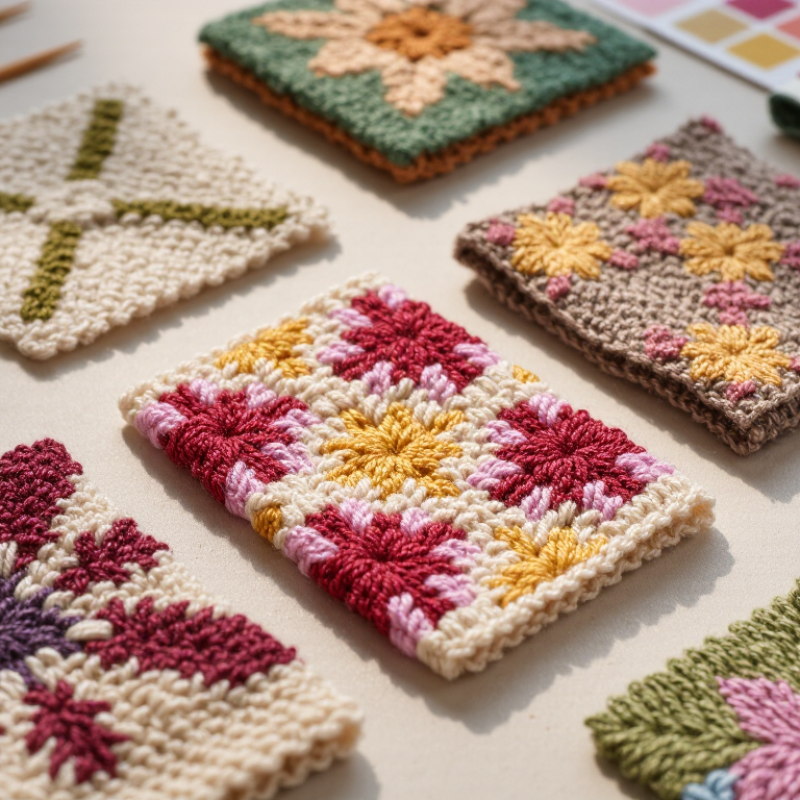
Knitted jacquard fabrics form patterns through selected stitches during knitting, rather than by printing the design onto the finished surface. The chart shows indicative commercial fabric-weight ranges in grams per square metre (GSM); actual weights vary with yarn, stitch construction, machine settings, and finishing. These ranges are planning guides, not universal specifications.
Core Knitted Jacquard Structures Available in 2026
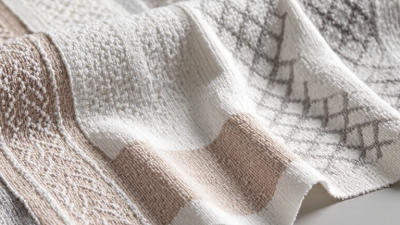
In 2026, knitted jacquard buyers can choose from several structures, each creating a distinct balance of pattern, weight, and stretch. Single-jersey jacquard places contrasting yarns on one fabric face. It suits lightweight tops and vivid motifs, though long floats may snag or feel uneven against skin. Ask for a reverse-side inspection.
Double-knit jacquard, including interlock-based constructions, forms a more stable fabric with a cleaner reverse. It can support sharper motifs and reduce curling at the edges, but usually uses more yarn and feels heavier. Rib jacquard adds pronounced vertical texture and recovery, making it useful for cuffs, fitted panels, and body-hugging garments. Fit still depends on yarn choice and finishing.
Tuck and float techniques create further surface effects. Tuck stitches add small raised areas, while floats can produce smooth color blocks with less yarn switching. Small details matter. Buyers should compare swatches under natural light, stretch them in both directions, and check whether the pattern distorts after washing. A dense design may look impressive on a sample yet feel stiff in a full garment. That trade-off is easy to miss, so confirm the fabric’s weight, width, and care behavior before approving production.
Leading Fabric Types by Fiber, Pattern, and Performance
For global buyers, knitted jacquard selection starts with fiber. The Textile Exchange Materials Market Report 2024 estimates that global fiber production reached 124 million tonnes in 2023; polyester represented 57%, and cotton 20%. These figures describe the wider fiber market, not jacquard production, but they explain why both fibers appear frequently in sourcing discussions. Polyester suits vivid geometric motifs and quick-drying sportswear. Cotton brings a softer, more breathable hand to sweaters and casual tops. Viscose blends can add fluid drape, while nylon may improve abrasion resistance in high-wear panels.
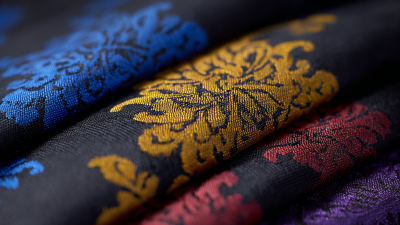
Pattern affects more than appearance. Small, repeated motifs can look crisp on a fine-gauge knit, while large blocks may need a heavier structure to prevent distortion. Color-led jacquards create clear contrast. Tonal designs feel quieter. Check the reverse side, too; long floats can snag or weaken wear performance. Small details matter.
Performance depends on the construction and end use. Buyers should request fabric weight, gauge, stretch and recovery, pilling results, and care-test data before approving a sample. A dense double-knit may hold a structured silhouette, yet feel too warm for a lightweight layer. That trade-off is easy to overlook. Lab results help, but they cannot fully predict comfort across climates and body types. Test the actual garment, not only the fabric swatch.
Applications Across Apparel, Home, and Technical Markets
Knitted jacquard fabrics create patterns through stitch structure, rather than relying only on printed color. In apparel, single-jersey jacquard suits lightweight tops and dresses, while double-knit constructions offer more body for jackets and skirts. Ribbed jacquard can add stretch to cuffs or close-fitting garments. A small geometric motif may look crisp on a swatch but distort when the fabric stretches across a shoulder. Fit matters.
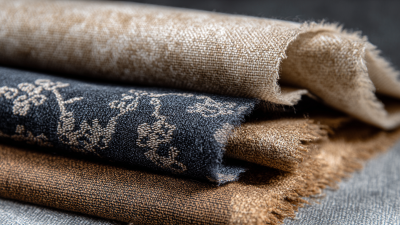
Home textiles need different qualities. Double-knit jacquard can provide a stable surface for cushion covers, throws, and decorative panels. Larger motifs work well where the fabric is viewed from a distance, while finer patterns can add texture to lighter furnishings. Check both sides: floats and loose yarns may catch during use, and some structures can curl at the edges. A sample on the table is not the whole story.
Technical uses include spacer jacquards for cushioning and airflow, and warp-knit jacquards for dimensionally stable panels. These structures may suit footwear components, protective padding, or interior trim, depending on yarn choice and construction. The word “technical” alone proves little. Buyers should compare fabric weight, thickness, stretch recovery, abrasion behavior, and care results against the finished product’s needs. Small production differences can change performance, so test fabric from the intended mill run when possible.
How Global Buyers Evaluate Quality and Supplier Options
For knitted jacquard, appearance is only the starting point. Buyers should check the yarn composition, fabric weight, width, and stretch against the intended garment. Ask for a technical data sheet and a production-lot swatch, not just a small showroom sample. A single swatch can mislead. Examine the reverse side, where loose floats or uneven stitching may become visible. Wash and dry the sample using the care method planned for the finished product. Then compare its dimensions, surface, and color with the original. Small differences matter.
Supplier evaluation needs the same practical attention. Request details on knitting capacity, minimum order quantity, sampling time, and realistic production lead times. Ask how the supplier controls shade consistency between batches and records yarn or lot information. Clear answers are useful; vague promises are not. If possible, review fabric from more than one production run. Check how the supplier handles defects and communicates delays, too. Price matters, but a low quote may exclude testing, finishing, or careful inspection. There is no perfect checklist, and buyers can still miss a problem. Keep written specifications, approve a retained sample, and confirm any changes before bulk production.