What Type of Fabric Is Thin Knitted Jacquard?
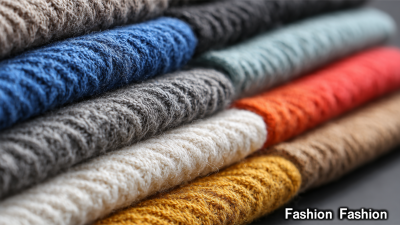
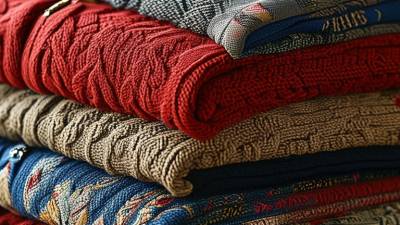
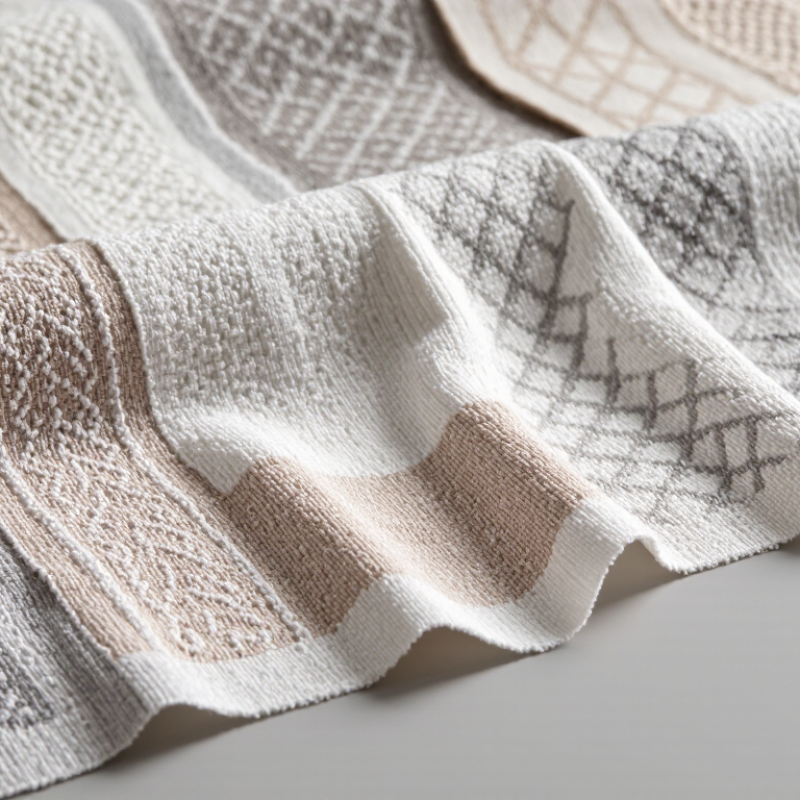
Thin Knitted Jacquard Fabric is not a single fiber category. It describes a lightweight knitted textile with patterned structures created during the knitting process. Unlike printed fabric, its design is built through selected yarns, stitch variations, or color changes. The surface may show raised motifs, fine geometric repeats, or subtle relief. It often feels softer and more flexible than woven jacquard.
This distinction matters when buyers compare composition, performance, and price. The Textile Exchange Materials Market Report 2024 estimated global fiber production at 124 million tonnes in 2023. Polyester represented about 57% of that volume, while cotton accounted for approximately 19%. These figures help explain why thin jacquard knits commonly use polyester, cotton, viscose, nylon, or blended yarns. Fiber choice changes drape, breathability, recovery, pilling resistance, and care requirements. The pattern alone cannot identify the material.
In practical sourcing, a technician should check fabric weight, width, stretch, gauge, and fiber content. A light sample can look elegant under showroom lighting but reveal snagging after repeated wear. Testing methods from ISO and ASTM standards can support measurements for dimensional change, colorfastness, and fabric mass. Reports from the International Textile Manufacturers Federation also show continuing pressure on mills to improve efficiency and manage material costs. However, market data does not replace physical inspection. That point is easy to forget.
This guide explains what type of textile Thin Knitted Jacquard Fabric really is. It also examines its structure, common fibers, advantages, limitations, and suitable applications. The answer is more specific than “decorative knit.” It is a construction method shaped by yarn, machine settings, and intended use.
Definition and Classification of Thin Knitted Jacquard
Thin knitted jacquard is a lightweight fabric made by forming interlocking loops while varying yarn placement to create patterns. Unlike printed motifs, its design is built into the knitted structure. “Thin” usually describes low thickness or fabric weight, not a universally fixed category. It should be measured, not guessed. A fabric may feel light yet still contain dense, raised pattern areas.
Classification depends mainly on knitting method and structure. Weft-knitted jacquards form patterns across rows and often stretch more readily across the width. Warp-knitted jacquards are made from yarns running lengthwise and can feel more stable. Within these groups, single-knit constructions tend to be lighter and more flexible; double-knit constructions are often firmer and less prone to curling. These are tendencies, not rules. ASTM D1777 provides a method for measuring textile thickness, while fabric weight can be assessed using ASTM D3776.
Fiber content is another classification layer, separate from construction. Cotton, polyester, viscose, and blended yarns can all be used, changing softness, drying behavior, and recovery. Textile Exchange’s 2024 Materials Market Report estimated global fiber production at 124 million tonnes in 2023, underscoring the scale and variety of fibers available to textile makers. The report does not classify thin jacquard specifically. That gap matters: supplier labels can be imprecise, so buyers should check measured thickness, weight, stretch, and pattern relief rather than relying on the name alone.
What Type of Fabric Is Thin Knitted Jacquard?
Definition and Classification of Thin Knitted Jacquard
Thin knitted jacquard is a patterned weft-knit fabric produced by selectively controlling knit, tuck, and float structures.
Single-jersey and mesh jacquards are generally lighter, while rib and interlock jacquards provide greater thickness and dimensional stability.
The chart shows typical fabric-weight ranges in g/m²; actual values vary according to yarn count, stitch density, fiber content, and finishing.
Fibers and Structural Features of the Fabric
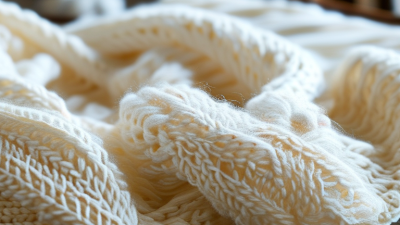
Thin knitted jacquard is a lightweight weft-knit fabric, not a single fiber category. Its pattern comes from selected knit stitches, yarn changes, or both. This structure creates raised motifs, fine openings, and varied surface density. A 60–180 g/m² construction is common in lightweight apparel, although the final weight depends on gauge, yarn count, and finishing.
Fiber choice changes its behavior. Polyester offers low moisture absorption and strong shape retention. Nylon usually feels smoother and improves abrasion resistance. Cotton adds softness and breathability, but it can shrink and crease more easily. Viscose gives a fluid drape, while elastane supports recovery in close-fitting garments. Textile Exchange reported that polyester represented about 57% of global fiber production in 2023, while cotton accounted for roughly 22%. These figures explain why synthetic blends often appear in thin jacquard development.
The structure needs careful inspection. A dense motif may restrict stretch, while float areas can snag against rough accessories. In practical fabric checks, I would measure weight, width, stretch recovery, spirality, and pilling after washing. ASTM and ISO textile methods help standardize these tests, but laboratory results cannot fully predict hand feel. That is the difficult part. A fabric may pass strength testing yet feel slightly stiff against skin. Designers should also check transparency under direct light, especially below 120 g/m². My assessment could miss differences between machines, because knitting tension changes the pattern more than many buyers expect.
Performance, Benefits, and Limitations
Thin knitted jacquard is a lightweight fabric with patterned stitches, rather than printed decoration. Its design comes from changing yarns or stitch structures during knitting. This creates raised motifs, subtle color changes, or textured surfaces. In hand, it usually feels softer and more flexible than a comparable woven jacquard. It may also show a slightly open back where pattern yarns travel.
Its performance depends heavily on fiber content and knitting density. A close structure can provide useful coverage while preserving stretch and comfortable movement. A looser structure often improves airflow and drape. During wear testing, the fabric may recover well at the waist and sleeves, but repeated tension can leave mild distortion. It dries faster when made with moisture-resistant synthetic fibers. Natural fibers may feel cooler, yet they can shrink or lose shape after careless washing. Check the care label carefully.
The main benefits are low bulk, visual depth, and body-friendly comfort. It works well for light tops, fitted dresses, and flexible layering pieces. However, thinness brings limitations. Sharp jewelry, rough bags, and fasteners can catch exposed loops. Some designs may curl at cut edges or become partly transparent under strong light. I would not judge durability by appearance alone. A beautiful surface can hide weak recovery. A practical test includes stretching the fabric, rubbing an unseen area, and washing a sample. Even then, results can vary. That's the difficult part.
Common Applications and Care Requirements
What Type of Fabric Is Thin Knitted Jacquard?
Thin knitted jacquard is a lightweight fabric with patterns formed during knitting. Its design is built into the structure, not simply printed on the surface. This gives it visible texture and a softer reverse side. It usually feels flexible, breathable, and slightly stretchy. The final performance depends on its fiber content, knitting gauge, and finishing process.
Common applications include lightweight sweaters, fitted tops, skirts, scarves, and decorative garment panels. It adds visual interest without creating heavy bulk. However, not every thin jacquard behaves the same way. Some fabrics recover well after stretching, while others may loosen at the elbows or neckline. Test a fabric swatch before cutting a complete garment. A small test can prevent expensive mistakes. Open patterns may also reveal more than expected under bright light.
Tips: Wash it in cool water with mild detergent. Use a mesh bag for machine washing. Avoid twisting or wringing, which can distort the knit. Lay the fabric flat on a clean towel while drying. Do not hang it when wet. Low-temperature steaming may relax wrinkles, but test the reverse side first. Protect the surface from rough jewelry and sharp hangers. “Knitted” does not always mean machine washable. Check the fiber label and care instructions carefully.
What Type of Fabric Is Thin Knitted Jacquard? - Common Applications and Care Requirements
| Fabric or Blend |
What It Is |
Typical Properties |
Common Applications |
Care Requirements |
| Thin knitted jacquard |
A lightweight knitted fabric with patterns formed during knitting. Jacquard describes the pattern-making structure, not a particular fiber. |
Usually flexible and patterned on one or both sides. Stretch, warmth, breathability, and durability depend on the yarn, knit construction, and finishing. |
Tops, dresses, skirts, lightweight cardigans, linings, and decorative apparel panels. |
Follow the garment care label. Turn inside out and use a gentle cycle or hand washing when appropriate; avoid rough washing that may snag the loops. |
| Polyester or polyester blend |
Jacquard knit made with polyester yarn, often blended with elastane or another fiber. |
Generally wrinkle-resistant and quick-drying. Elastane can add stretch and recovery. Heat tolerance varies by construction and blend. |
Everyday apparel, active-inspired tops, dresses, and lightweight fashion garments. |
Use a cool or warm wash if permitted by the label. Avoid high dryer temperatures and direct high heat when ironing. |
| Cotton or cotton blend |
Jacquard knit using cotton yarn, sometimes blended with synthetic fibers for added stretch or shape retention. |
Often soft and absorbent. Pure cotton may shrink or lose shape if washed or dried at high temperatures. |
Casual tops, children’s garments, lightweight dresses, and comfortable daywear. |
Wash according to the label, preferably with similar colors. Use a lower-temperature wash and drying method to help limit shrinkage. |
| Viscose or viscose blend |
Jacquard knit made with regenerated cellulose yarn, sometimes combined with elastane or other fibers. |
Often has a soft feel and fluid drape. Some viscose fabrics are more delicate or weaker when wet, depending on yarn and construction. |
Draped tops, skirts, dresses, and lightweight fashion pieces. |
Check the label carefully. Gentle washing or professional cleaning may be recommended; avoid wringing and reshape gently while damp if washing is allowed. |
| Wool or wool blend |
Jacquard knit containing wool, sometimes blended with synthetic fibers to alter durability, stretch, or care needs. |
Can provide warmth and natural elasticity. Lightweight versions may be suitable for layering; felting risk depends on the wool and treatment. |
Light sweaters, layering tops, scarves, and seasonal accessories. |
Use wool-specific care only when the label allows it. Avoid hot water, agitation, and tumble drying unless the care instructions specifically permit them. |
Care note: “Thin knitted jacquard” describes a lightweight patterned knit, not a single fiber composition. Always use the garment’s care label as the final guide, since fiber content, finishes, and construction can change the recommended washing and drying method.