Top Quality Knitted Apparel Fabric for Global Buyers?
The global demand for high-quality knitted apparel fabric is on the rise. According to a recent industry report by Research and Markets, the global knitted fabric market is projected to reach $50 billion by 2025. This growth is driven by fashion trends, sustainability concerns, and technological innovations in fabric production. Buyers seek materials that not only meet aesthetic requirements but also offer durability and comfort.
Knitted apparel fabric plays a critical role in this evolution. Brands and manufacturers face challenges in sourcing sustainable and high-performance materials. Reports indicate that 75% of consumers prefer eco-friendly fabrics for their clothing. This statistic highlights the importance of understanding buyer preferences in today’s market.
While many suppliers claim to provide top-quality knitted fabrics, not all meet industry standards. This inconsistently raises questions about quality assurance and sourcing ethics. Buyers must remain vigilant and conduct thorough due diligence to ensure they partner with reliable suppliers. Therefore, unraveling the intricacies of knitted apparel fabric becomes essential for informed purchasing decisions.
Understanding Knitted Apparel Fabric: Types and Characteristics
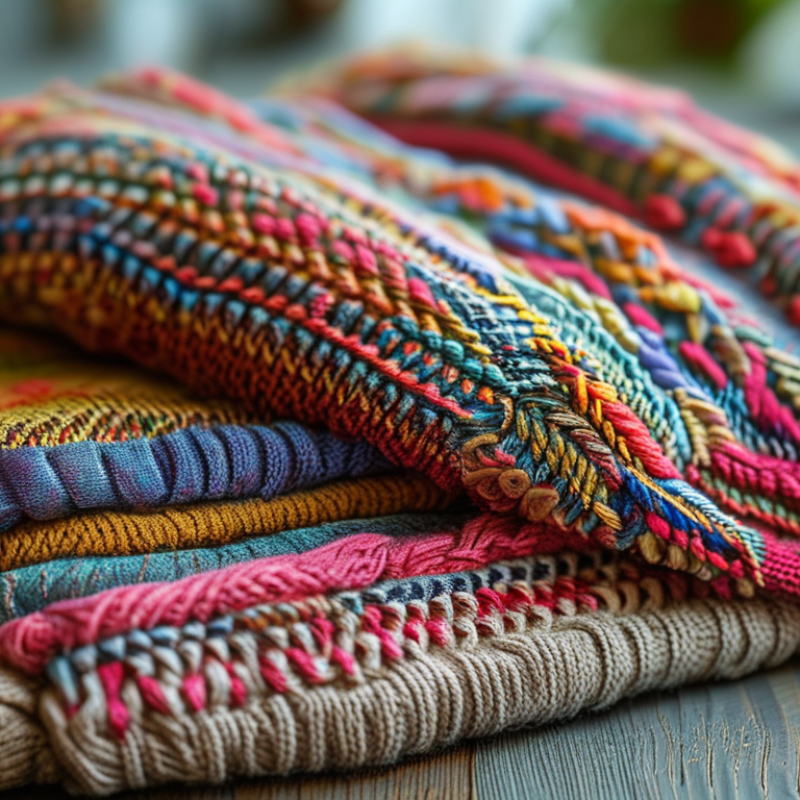
Knitted apparel fabric comes in various types, each serving different needs. The main categories include jersey, ribbing, and interlock. Jersey fabric is popular for its soft texture and good stretch. It is widely used for t-shirts and casual wear. Ribbing features a textured surface, adding structure and flexibility. It is often found in cuffs and collars. Interlock is a heavier fabric with a smooth finish, making it ideal for comfortable clothing.
Understanding the characteristics of knitted fabrics is crucial for making informed decisions. Knitted fabrics expand and contract, leading to a unique fit. They are breathable, ensuring comfort during wear. However, the elasticity can sometimes be a disadvantage. Overstretching can lead to distortion in shape. Some fabrics may also pilling over time, affecting their appearance. Buyers should examine the fabric's weight, stretchability, and longevity before purchasing.
Looking closely at the construction method offers more clarity. Warp and weft knitting produce different final products. Each method has its advantages and disadvantages. The quality of yarn plays a significant role in the overall look and feel. Higher quality yarn can enhance durability, while lower quality options may lead to quicker wear and tear. Engaging with reliable suppliers can guide buyers toward better choices in fabric selections.
Benefits of High-Quality Knitted Fabrics for Apparel
High-quality knitted fabrics have become increasingly essential in the apparel industry. They offer numerous benefits that appeal to both manufacturers and consumers. According to a report by Global Industry Analysts, the global knitted fabric market is projected to reach $25 billion by 2026, showcasing a significant demand for these materials. One major advantage of knitted fabrics is their flexibility and comfort. They adapt well to body movements, making them ideal for activewear and everyday clothing.
Another critical aspect is durability. Knitted fabrics tend to have a longer lifespan than woven alternatives. This reduces waste, contributing to eco-friendly practices in apparel production. A study from the Textile Institute revealed that premium knitted fabrics retain their quality despite multiple washes, outperforming lower-quality options. However, not all knitted fabrics are created equal. Variations in yarn composition and knitting techniques can impact performance. Buyers need to invest time in understanding the specific attributes of different types.
Additionally, the breathability of high-quality knitted fabrics is noteworthy. They allow for better air circulation, keeping the wearer comfortable. In a market where comfort is paramount, this feature sets quality products apart. Nevertheless, the challenge lies in ensuring consistent quality across production. Some manufacturers may compromise on material quality to cut costs. Therefore, buyers must carefully consider their sources to guarantee they achieve the best possible outcomes.
Top Quality Knitted Apparel Fabric for Global Buyers
| Fabric Type |
Composition |
Weight (g/m²) |
Stretch % |
Main Benefits |
| Cotton Jersey |
100% Cotton |
160 |
30% |
Soft, breathable, and easy to care for |
| Polyester Spandex |
92% Polyester, 8% Spandex |
220 |
40% |
Excellent stretch and recovery, durable |
| Bamboo Knit |
95% Bamboo, 5% Spandex |
180 |
25% |
Eco-friendly, soft, and moisture-wicking |
| Wool Blend |
50% Wool, 50% Acrylic |
240 |
20% |
Warm, insulating, and retains shape well |
| Nylon Interlock |
100% Nylon |
210 |
25% |
Lightweight, strong, and easy to wash |
Key Factors to Consider When Choosing Knitted Fabrics
When selecting knitted fabrics, several key factors emerge. Firstly, consider the composition of the fabric. Cotton, wool, and synthetic fibers each offer unique properties.
Cotton is breathable, while wool provides warmth. Synthetics can add durability but may lack comfort. Understanding these differences is crucial for any buyer.
Next, evaluate the weight and stretch of the fabric. Lightweight knits are great for tops and dresses, while heavier options suit outerwear. Look for the right balance between stretchability and recovery. Fabrics that stretch too much can lose their shape, which may lead to dissatisfaction over time.
Lastly, be mindful of the fabric's texture and finish. A soft touch can enhance a garment’s appeal. However, some finishes might not withstand regular use. Be prepared to assess these nuances before making a purchase. Each decision can impact the final product.
Sustainable Practices in Knitted Apparel Fabric Production
Sustainable practices in knitted apparel fabric production are crucial for reducing environmental impact. Many manufacturers are now adopting eco-friendly materials. These include organic cotton, recycled polyester, and biodegradable fibers. Utilizing renewable resources is a key aspect of this shift.
Water consumption is another concern. Traditional fabric production often requires significant water use. New methods are being introduced to minimize water waste. Advanced dyeing techniques use less water and harmful chemicals. However, widespread adoption remains a challenge.
Energy efficiency plays a vital role as well. Many plants are transitioning to solar or wind power. This shift decreases dependence on fossil fuels. Despite these efforts, some producers still rely on non-renewable energy sources. Continuous innovation is essential for meaningful progress in this field.
Top Quality Knitted Apparel Fabric Production by Material Type
This bar chart illustrates the distribution of different materials used in the production of knitted apparel fabric. The data reflects the global trend in sustainable practices and material sourcing.
Global Trends in Knitted Apparel Fabric Market for Buyers
The global knitted apparel fabric market is evolving rapidly. Buyers are seeing an increase in demand for sustainable fabrics. Consumers today care about the origin of their clothing. Eco-friendly materials are becoming a priority for manufacturers and buyers alike.
The rise of technology in fabric production is noteworthy. Innovations have led to new knitting techniques that create unique textures and styles. Buyers are intrigued by fabrics that not only look good but are also functional. For instance, moisture-wicking properties and breathability are much sought after attributes.
However, the market faces challenges. Sourcing sustainable materials can sometimes result in higher costs. Not all suppliers provide transparency about their fabric sourcing. Buyers often need to verify claims of sustainability and quality. This complexity can slow down purchasing decisions. Adjusting to these new trends requires patience and continuous learning.