What Is the Best Fashion Single Jersey Fabric?
Choosing the best Fashion Single Jersey Fabric is not a simple matter of selecting the softest roll. The right choice depends on garment purpose, fiber content, fabric weight, recovery, and expected washing conditions. A lightweight cotton jersey may feel cool against the skin, while a cotton-polyester blend can offer better dimensional stability. A small amount of elastane may improve stretch, but it can also increase cost and complicate recycling decisions.
Industry data supports a more careful approach. Textile Exchange’s Materials Market Report 2024 estimated global fiber production at approximately 124 million tonnes in 2023. It also projected continued growth toward 2030. This pressure makes material efficiency and durability increasingly important. The best fabric is not always the cheapest fabric. It should balance comfort, appearance, service life, and responsible sourcing. Better evidence comes from testing, not showroom impressions.
For practical evaluation, manufacturers commonly review fabric weight, width, spirality, shrinkage, colorfastness, pilling, and bursting strength. ISO 12945-2 can help assess pilling resistance, while AATCC TM135 evaluates dimensional changes after laundering. A sample should be washed before approval. Observe the neckline, side seams, and surface fuzz. Small defects become obvious there. No fabric wins every test. A softer jersey may lose shape sooner, and a stronger blend may feel less natural. That tension deserves honest discussion. This guide examines fiber choices, knitting quality, finishing methods, and end-use performance to identify when each Fashion Single Jersey Fabric becomes the better option.
What Is Fashion Single Jersey Fabric?
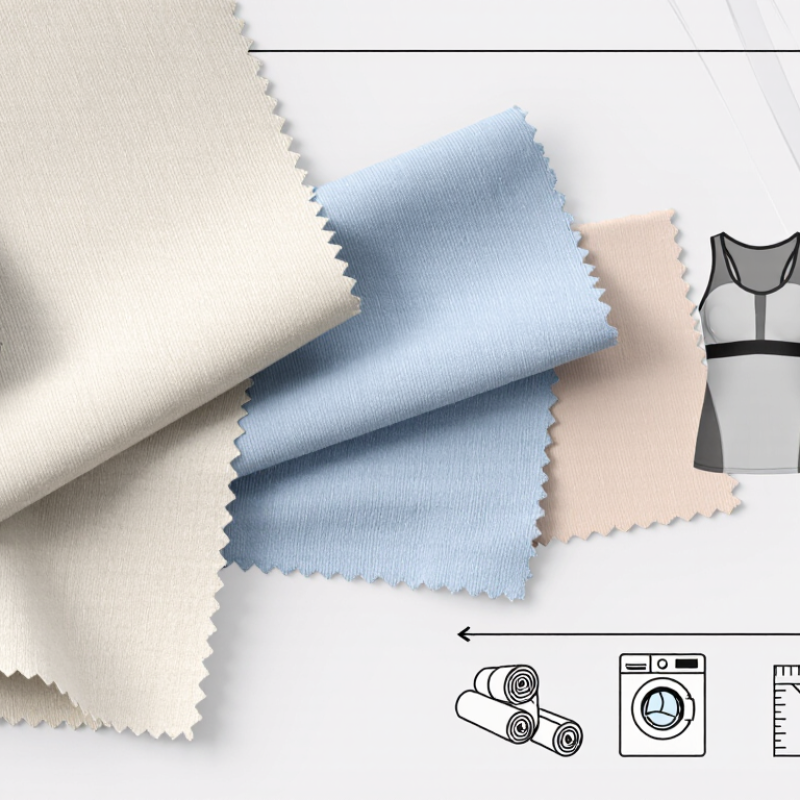
Fashion single jersey fabric is a lightweight knitted textile made from one set of needles. Its front surface looks smooth, while the back shows small knitted loops. This structure creates natural stretch across the width. Cut edges may curl slightly.
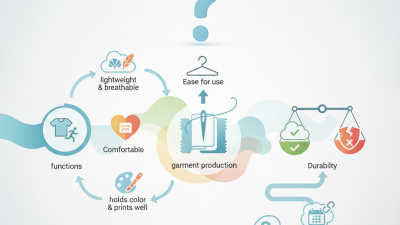
The word “fashion” is not a fixed fiber standard. It usually describes single jersey designed for modern clothing, visual appeal, or seasonal styling. Cotton jersey feels breathable against the skin. Polyester versions often dry faster and hold printed colors well. Blended yarns can improve softness, recovery, and durability. In practical fabric inspections, I check the weight, stitch quality, stretch, and surface evenness. These details affect how a T-shirt, dress, or fitted top hangs on the body.
A lighter fabric gives a fluid drape, but it may reveal more body shape. A heavier fabric looks steadier and can resist transparency. Stretch recovery matters after sitting, washing, and repeated wear. Poor recovery can leave a neckline looking tired. It happens.
The best choice depends on the garment, climate, and care expectations. I would test a small sample before production. Wash it, pull it gently, and inspect the seams afterward. Some fabrics feel excellent in a roll but become less convincing after laundering. That is an easy mistake to overlook. Even experienced buyers can judge softness too quickly. A reliable evaluation needs both hand-feel and measured performance.
How Single Jersey Fabric Is Made
Choosing the best fashion single jersey starts with understanding how its soft, flexible structure is created. Production begins with yarn preparation. Cotton, viscose, polyester, or blended fibers are wound evenly before knitting. Clean, consistent yarn helps prevent weak spots and visible streaks.
On a circular knitting machine, one needle bed forms knit loops continuously. The face shows smooth V-shaped stitches. The back has horizontal floats. Machine settings control stitch length, fabric weight, width, and stretch.
Too much tension can create harsh hand feel or unwanted spirality. That is easy to miss. Experienced technicians check the grey fabric before dyeing, not only after finishing.
After knitting, the fabric is relaxed, scoured, and dyed when color is required. Finishing may include softening, compacting, or heat setting. These steps influence shrinkage, drape, recovery, and surface softness. Quality teams commonly test GSM, dimensional stability, pilling, colorfastness, and seam performance. A lighter jersey may suit a flowing top, while a heavier version can support structured dresses or casual trousers. There is no perfect setting for every garment. In practice, even a carefully controlled roll may show slight width variation. That requires honest inspection and adjustment, rather than pretending the process is flawless.
Which Fibers and Weights Suit Different Fashion Uses?
The best fashion single jersey fabric depends on the garment’s movement, surface feel, and care requirements.
Fiber choice matters as much as fabric weight. Cotton single jersey offers breathable comfort and a familiar, dry hand. Around 140–170 gsm suits lightweight T-shirts and summer tops. Heavier cotton, near 180–220 gsm, gives dresses and casual shirts more body.
For a softer drape, modal or viscose blends can work well in fitted tops, lounge pieces, and flowing dresses. They feel smooth against the skin, but may need stronger recovery fibers. Add elastane when necklines, cuffs, or body-hugging shapes must retain their form. Even 3–8% can change fit noticeably. Polyester blends dry quickly and resist repeated washing, making them useful for active-inspired fashion. However, heat and finishing quality can affect comfort.
Fabric weight is only a starting point.
A 120 gsm jersey may feel dense with compact knitting, while a 200 gsm fabric may drape softly after finishing. Test both. Check shrinkage, spirality, pilling, stretch, and colorfastness before production. A swatch can look excellent yet twist after laundering. That mistake is common. In my experience, the most reliable choice balances fiber performance with the wearer’s real routine, not just a specification sheet. There is no perfect jersey for every collection.
How to Choose the Best Single Jersey Fabric for Your Garment
What Is the Best Fashion Single Jersey Fabric?
How to Choose the Best Single Jersey Fabric for Your Garment
Choosing the best single jersey starts with the garment’s purpose, not its color or softness. A lightweight 120–160 GSM jersey suits summer tops and smooth layering. Heavier 180–240 GSM fabric offers better opacity and shape retention. Textile Exchange’s Materials Market Report 2024 states that global fiber production reached 124 million tonnes in 2023. Polyester represented about 57%, while cotton contributed around 19%. These figures show why fiber selection affects both performance and sourcing decisions.
Touch the fabric, then test it. A soft hand can mislead. Check stretch recovery after repeated pulling, especially for fitted garments. Measure spirality and shrinkage after washing under controlled conditions. AATCC TM150 provides a recognized method for evaluating dimensional changes after home laundering. For surface durability, ASTM D3512 can support pilling assessment. Record the results instead of trusting a quick showroom impression.
For everyday fashion, combed cotton jersey gives breathable comfort and a familiar matte appearance. Cotton blends can improve recovery, drying speed, and durability. Recycled fibers may support a lower-impact material strategy, but certification documents and traceability still require careful review. The wrong blend can feel clammy or lose shape. I have learned that premium
fabric is not always the best choice; the final decision must match the pattern, washing process, climate, and expected wear. Test a real sample.