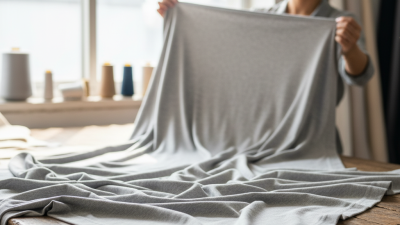
What Is the Best China Womens Knitted Fabric Supplier?
Finding the best China Women's Knitted Fabric supplier requires more than comparing online prices. Fabric performance depends on fiber content, knitting structure, finishing methods, and quality control. A supplier may offer soft cotton jersey, durable rib knit, or recycled polyester blends. Each option serves a different garment purpose.
Professional buyers should request samples before discussing large orders. Check fabric weight, stretch recovery, color consistency, pilling resistance, and shrinkage after washing. A simple test can reveal problems hidden in product photographs. Ask for the fiber composition, production capacity, minimum order quantity, and standard lead time. Reliable suppliers should explain these details clearly, not avoid them.
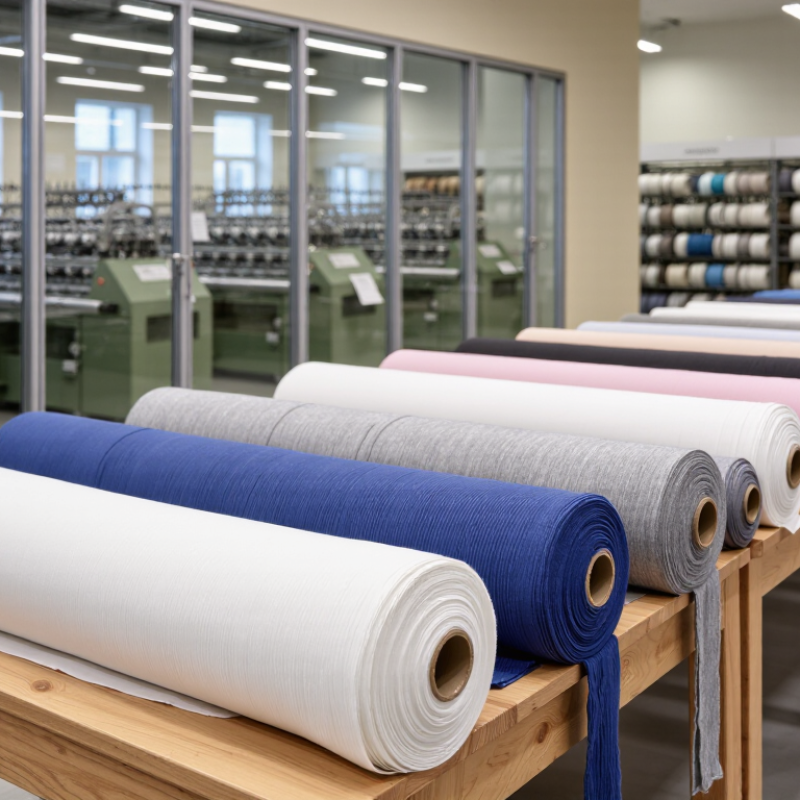
Factory verification also matters. Review quality certificates, testing procedures, export experience, and traceability records. When possible, inspect knitting machines, dyeing areas, and packing conditions. Look for organized rolls, readable labels, and protected storage. These details show whether daily operations are controlled. Communication is another practical test. Accurate quotations and timely sample updates often indicate stronger management.
There is no universal “best” supplier. The right choice depends on your market, budget, fabric requirements, and delivery schedule. Some buyers focus too heavily on the lowest price. That approach can create hidden costs through defects, delays, or rework. Even experienced sourcing teams can miss small inconsistencies between approved samples and bulk production. Therefore, this guide compares supplier capability, product reliability, communication, and commercial transparency. The goal is not to promote one factory blindly. It is to help buyers make a careful, evidence-based decision when sourcing Women's Knitted Fabric from China.
What Makes a China Women’s Knitted Fabric Supplier Reliable?
A reliable China women’s knitted fabric supplier proves performance before discussing price. The Textile Exchange Materials Market Report 2024 recorded 124 million tonnes of global fiber production in 2023. Polyester represented about 57% of that volume. This scale makes traceability and recycled-content verification increasingly important. A capable supplier should provide fiber origin records, composition details, and test documents. These documents should match the shipped fabric.
Request a physical sample, not only a digital color card. Check GSM, width, stretch recovery, shrinkage, pilling, and colorfastness after washing. For jersey or rib fabric, measure the roll at several points. Uneven tension can cause twisting during cutting. A dependable mill shares lab-dip results and confirms production tolerances in writing. ISO 9001-based quality procedures can support consistency, but certification alone proves little without current records and factory evidence.
Communication is another practical test. Ask for a production schedule with knitting, dyeing, finishing, inspection, and packing dates. The supplier should explain delays early. Small failures matter. A late approval or unclear shade can disrupt an entire clothing line. No supplier is perfect. However, reliable teams document mistakes, investigate the cause, and prevent repetition. Buyers should also review independent test reports, factory audit findings, and recent export experience before placing a large order. Data should be verified, not simply promised.
Which Knitted Fabrics and Services Do Chinese Suppliers Offer?
Chinese knitted fabric suppliers can provide many materials for women’s clothing. Common choices include cotton jersey, rib knit, interlock, viscose blends, polyester, nylon, and wool blends. Each fabric creates a different wearing experience.
Cotton jersey suits T-shirts, dresses, and light loungewear. Rib knit adds stretch around cuffs, necklines, and fitted silhouettes. Viscose blends offer a soft drape and a smooth surface. Polyester and nylon improve durability, shape recovery, and quick drying. For cooler garments, brushed fleece and heavier interlock provide warmth without excessive layering. Small details matter.
Chinese suppliers often support yarn sourcing, fabric development, color matching, lab dips, sampling, and bulk production. They can adjust GSM, width, stretch, surface texture, and finishing methods. Useful finishes may include brushing, anti-pilling treatment, moisture management, and softening. A reliable supplier should provide clear specifications, production samples, and inspection records.
Buyers should request test results for composition, shrinkage, color fastness, pilling, and stretch recovery. Not every sample predicts bulk production. A second lab dip may reveal a slight shade difference. That small gap matters. Factory visits, video inspections, or independent testing can improve confidence. One practical weakness remains: communication can become unclear when technical terms are translated loosely. Ask for a fabric sheet with measured values, photographs, and approved samples. This creates a more dependable reference for production and quality checks.
What Certifications and Compliance Standards Should Buyers Check?
The best China women’s knitted fabric supplier is not simply the cheapest factory. It should prove product safety, traceability, and responsible production. Textile Exchange’s 2024 Materials Market Report estimates global fiber production reached 124 million tonnes in 2023. Polyester represented about 57 percent. This scale makes recycled-content claims worth checking carefully.
Ask for a valid scope certificate before reviewing any recycled fabric claim. For GRS materials, request a transaction certificate linked to the exact shipment, fiber content, and production site. RCS documentation may apply to recycled inputs, but requirements differ. For chemical safety, request current OEKO-TEX Standard 100 test reports. Match the report with the fabric composition, dye lot, and delivery date. A general factory certificate is not enough.
Check ISO 9001 for quality systems and ISO 14001 for environmental management. These standards support control, but they do not replace fabric testing. Social compliance evidence also matters. Review recent independent audits, worker-safety records, wastewater controls, and corrective-action reports. The OECD Due Diligence Guidance recommends risk-based supply-chain checks, not paperwork alone. A certificate can still leave gaps. My earlier mistake was trusting expiry dates too quickly. Confirm the certificate holder, address, scope, and issuing body every time. Ask for samples, then test them independently before bulk production.
What Is the Best China Women's Knitted Fabric Supplier?
Certifications and compliance frameworks buyers should verify before placing an order
The chart shows the year each major certification or compliance framework was introduced. Buyers should request valid certificates, confirm the certificate scope covers the specific factory and product, and verify current test reports for chemical safety, recycled content, social responsibility, and destination-market requirements. REACH and CPSIA are regulations rather than voluntary certifications, so product-specific laboratory evidence is essential.
How to Compare Suppliers and Choose the Best Partner
Choosing the best China women’s knitted fabric supplier requires more than comparing prices. A capable partner should understand fabric structure, garment use, and production risks. Ask for samples with clear composition, GSM, width, stretch, and finishing details. Then compare them under the same test conditions.
Touch matters.
Check softness, recovery, surface evenness, and color consistency after washing. For women’s garments, fabric drape can affect the final silhouette significantly. Request test reports for shrinkage, pilling, colorfastness, and fiber content. Reliable suppliers explain testing methods instead of sending vague certificates. Independent laboratory verification can reduce uncertainty when the order is important.
Price is only one part of the comparison. Review minimum order quantities, sample charges, production capacity, lead times, packing, and payment terms. Ask how they handle shade differences or delayed raw materials. Visit the facility when possible, or arrange a live video inspection. Clean storage areas and organized inspection records are useful evidence, but they do not prove everything. A polished presentation can hide weak follow-up. Communication should be measured through response accuracy, not speed alone.
I would also compare traceability and corrective-action procedures. When a sample fails, the supplier should identify the cause and suggest a practical solution. Do not select the cheapest quotation too quickly. A lower price may reflect lighter GSM, unstable yarn, or incomplete service. My own comparison process would still leave room for doubt, because one successful sample cannot guarantee every future shipment. Pilot orders reveal more than promises.