What is Cotton Knitted Fabric and Its Applications?
Cotton Knitted Fabric has become an essential component in the textile industry. Experts emphasize its versatility and comfort. According to Dr. Emily Hart, a textile specialist, "Cotton knitted fabric offers unmatched breathability and softness." This fabric is crafted by interlocking loops of cotton yarn, resulting in a material that stretches while retaining its shape.
The applications of Cotton Knitted Fabric are diverse. It is widely used in apparel, home textiles, and even medical fields. The softness of the fabric contributes to its popularity in baby clothes and loungewear. However, sustainability remains a concern. While cotton is a natural fiber, the production process can be resource-intensive.
Reflection on this fabric's future is crucial. Innovation in sustainable practices is needed to balance comfort with environmental responsibility. Many experts call for new methods to reduce water use and pesticide application in cotton farming. As we explore the world of Cotton Knitted Fabric, it becomes clear that there is much to learn and improve upon in this ever-evolving industry.
Definition of Cotton Knitted Fabric
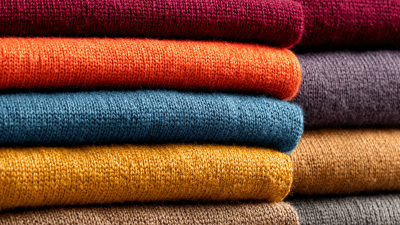
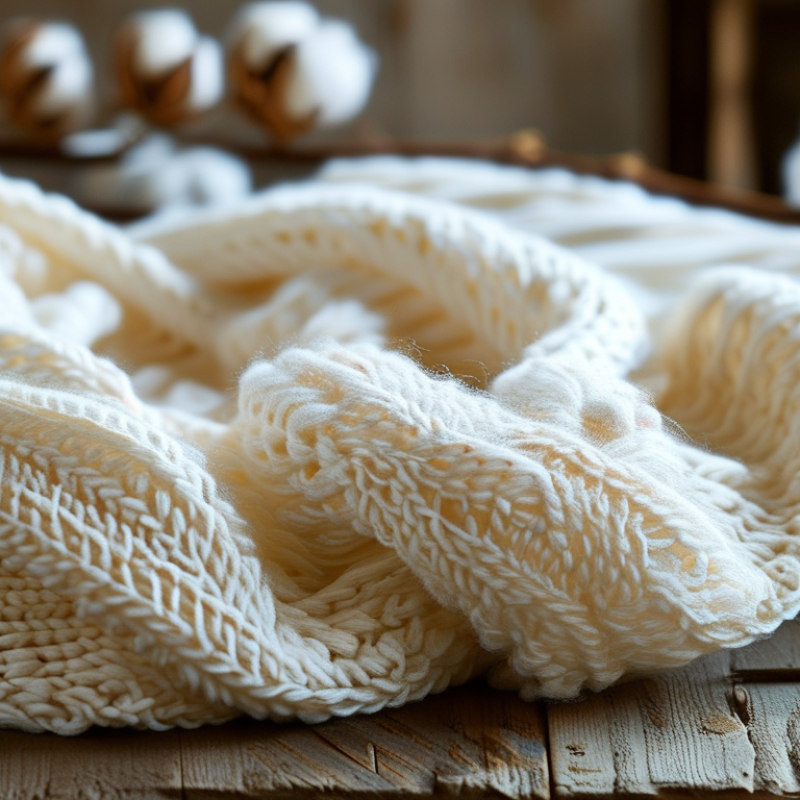
Cotton knitted fabric is a versatile material known for its softness and stretchability. Made from cotton fibers, this fabric is created through a process of interlooping yarns, allowing it to breathe easily and provide comfort. According to industry reports, the global demand for cotton knitted fabric is projected to reach over 20 million tons by 2025, reflecting its popularity across various applications.
Its softness and durability make cotton knitted fabric ideal for clothing items like t-shirts, leggings, and sweaters. Additionally, it is widely used in home textiles, such as bed linens and towels. The fabric’s ability to retain shape after washing contributes to its appeal. Yet, manufacturers often face challenges with pilling and color fading over time, which can be frustrating for consumers.
**Tips:** When choosing cotton knitted fabric, look for high-quality options that feature tightly knit yarns. This can significantly reduce issues like pilling. Additionally, washing in cold water with gentle detergents can help maintain vibrant colors. Remember, not all cotton knits are created equal; the texture and weight can greatly influence the garment's feel and durability.
Properties of Cotton Knitted Fabric
Cotton knitted fabric is known for its unique properties. It is soft, breathable, and comfortable against the skin. This fabric is highly elastic, allowing it to stretch and move with the body. Its ability to retain shape makes it ideal for clothing that requires a good fit.
One interesting aspect of cotton knitted fabric is its moisture-wicking capability. It efficiently absorbs moisture, keeping the wearer dry. This quality is particularly beneficial for activewear. However, care must be taken with washing. Overuse of harsh detergents can damage the fibers and diminish their softness.
Durability is another important characteristic. While cotton is generally a sturdy fabric, knitted versions can sometimes wear out more quickly than woven ones. This is something to consider when choosing fabrics. Though cotton knitted fabric has many strengths, it may not be the best choice for all applications. Looking into other materials may yield better results for certain uses.
Common Applications of Cotton Knitted Fabric
Cotton knitted fabric is a versatile material widely used in various applications. Known for its softness and breathability, it is a popular choice in everyday clothing. T-shirts, leggings, and casual dresses frequently feature this fabric. The elasticity of knitted cotton makes it comfortable to wear, providing flexibility in movement.
Another common application is in home textiles. Cotton knitted fabric is used in blankets, pillow covers, and bed sheets. The fabric’s natural fibers provide warmth and comfort, enhancing any living space. Moreover, it is easy to care for, making it a practical choice for households.
**Tip:** When selecting cotton knitted items, consider the weight of the fabric. Heavier fabrics tend to be warmer, while lighter versions are more suitable for warmer climates.
Cotton knitted fabric is also found in sportswear. Its moisture-wicking properties help keep athletes dry. However, not all cotton knits offer the same level of durability. Always check the fabric composition for quality assurance.
**Tip:** Look for blends with synthetic fibers for enhanced performance during physical activities. This can improve the lifespan of the garment, especially under rigorous use.
What is Cotton Knitted Fabric and Its Applications? - Common Applications of Cotton Knitted Fabric
| Application |
Description |
Advantages |
| T-Shirts |
Cotton knitted fabric is used to make comfortable and breathable t-shirts. |
Soft, good moisture absorption, and easy to care for. |
| Activewear |
Used for sports and exercise clothing due to its flexibility. |
Durable, retains shape, and allows for ease of movement. |
| Sweaters |
Knitted cotton fabric makes warm and cozy sweaters. |
Warmth, breathability, and comfortable fit. |
| Baby Clothing |
Soft cotton fabric is perfect for sensitive baby skin. |
Hypoallergenic, soft texture, and easy to wash. |
| Loungewear |
Ideal for comfortable home wear such as pajamas. |
Comfortable, soft against the skin, and allows for relaxation. |
Advantages and Disadvantages of Using Cotton Knitted Fabric
Cotton knitted fabric is popular for its comfort and breathability. However, it has both advantages and disadvantages that should be carefully considered. One of the primary advantages is its softness. This fabric is gentle on the skin, making it ideal for children's clothing. Additionally, cotton is highly absorbent. It can wick away moisture, which is essential for activewear. Furthermore, cotton knitted fabrics are easy to dye, resulting in vibrant colors.
On the flip side, cotton knitted fabric has its drawbacks. It can shrink after washing, affecting the fit of garments. This may lead to disappointment, especially if the item was expensive. Another concern is its tendency to wrinkle easily. While some people appreciate the casual look of wrinkled cotton, others may find it unappealing. Additionally, cotton is less durable than synthetic fabrics. Over time, it might show signs of wear and tear, which can be frustrating for consumers seeking longevity in their clothing items. These factors warrant careful consideration when choosing cotton knitted fabric for various applications.
Care Instructions for Cotton Knitted Fabric
Caring for cotton knitted fabric is essential for preserving its softness and durability. Start by checking the care label for specific instructions. Generally, washing cotton knits in cold water is advisable. This reduces the risk of shrinking and fading. Use a gentle cycle to protect the fibers, ensuring they stay intact. If there are stubborn stains, treat them gently before washing.
Drying requires attention too. Air drying is preferable to maintain shape. However, if you must use a dryer, choose a low heat setting. High heat can distort the fabric and cause it to lose elasticity. Ironing can be beneficial, but always use a low temperature. Steam can help eliminate wrinkles without damaging the fibers.
Remember, some cotton knits may pill after frequent wear or washing. This is normal but can be managed through careful care. Regularly removing lint can enhance the appearance of your fabric. Mistakes happen, and it’s okay to learn as you go. Each wash offers a chance to refine your care routine, ensuring your cotton knitted fabric remains beautiful and functional.