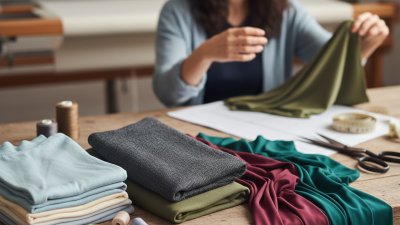
What Is Fashion Single Jersey Fabric?
Fashion Single Jersey Fabric is a lightweight knitted fabric used in everyday clothing. It is made by forming yarn into interlocking loops, rather than crossing yarns like a woven cloth. Look closely at its face and you will usually see neat V-shaped stitches. Turn it over, and the looped reverse looks different. That contrast is a useful clue.
The fabric often feels soft and bends easily. Its stretch comes from the knit structure, though the amount varies with yarn, machine settings, and any added elastane. Cotton versions can feel comfortable against the skin, while polyester blends may dry faster. Neither description fits every fabric. Fiber content and finishing matter.
Single jersey appears in T-shirts, dresses, tops, and some casual sportswear. Its light drape can make garments feel relaxed, but thin versions may show through or lose shape with wear. Edges can curl, too. A small detail, but important during sewing.
For buyers and designers, fabric weight, stitch density, fiber blend, and sample testing offer more useful guidance than the name alone. Check how a swatch stretches, recovers, and looks after washing. Results can differ by supplier and finish. There is no universal “best” jersey. The right choice depends on the garment, climate, and expected care. Even a familiar fabric deserves a closer look.
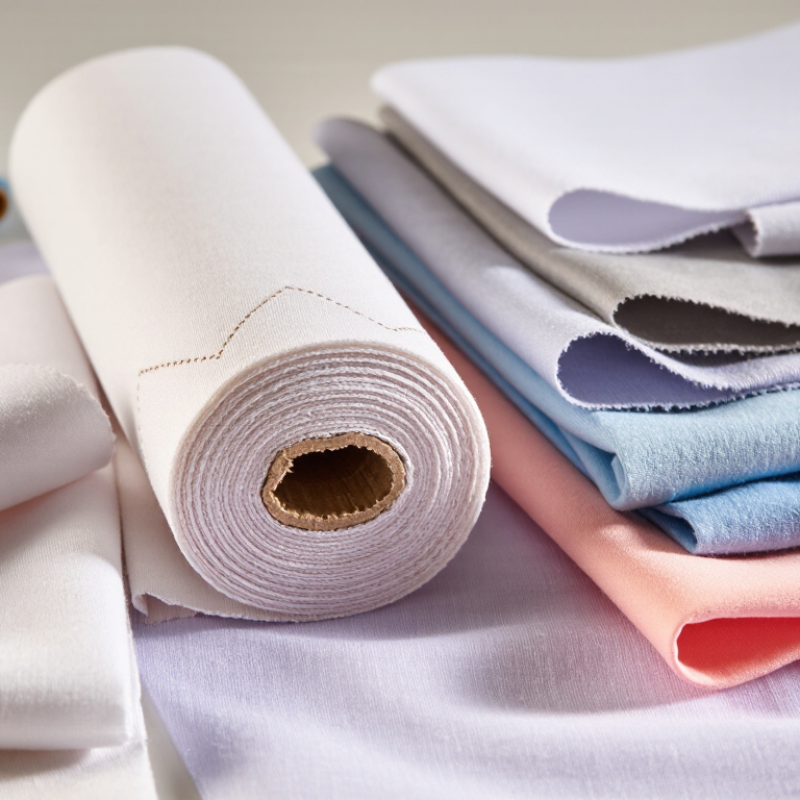
What Defines Fashion Single Jersey Fabric?
Fashion single jersey fabric is a lightweight weft knit made with one set of needles. Its front shows neat, V-shaped stitches; the reverse has small, curved loops. That difference gives the fabric its familiar two-sided look. “Fashion” describes its design use, not a strict technical standard. Fiber content, yarn thickness, knitting gauge, and finishing can all change the result.
Look closely. A cotton-rich jersey may feel soft and breathable, while added elastane can improve stretch and recovery. The fabric usually stretches more across its width than along its length. Its edges may curl, especially when cut, so careful handling matters during sewing. A thin sample can also turn sheer under bright light. The name alone does not tell you how it will drape or wear.
Tips: Check both sides and stretch the fabric gently before choosing it. Hold a sample up to the light, and wash a small piece if shrinkage matters. There is a trade-off: a very soft jersey can lose shape more easily, and a firmer one may feel less fluid. Test it rather than relying on the label.
How Single Jersey Fabric Is Knitted
What Is Fashion Single Jersey Fabric?
How Single Jersey Fabric Is Knitted
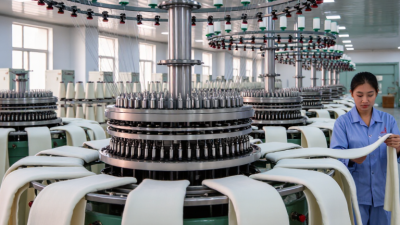
Single jersey is a weft-knit fabric made by forming rows of interlocking yarn loops. On a circular knitting machine, needles catch the yarn and pull new loops through older ones. Each needle works in sequence as the fabric grows downward. The front shows neat vertical columns of loops; the back has more visible crosswise arcs. This difference gives the fabric its familiar smooth face and textured reverse.
Tension matters. If the yarn feed or needle settings vary, the fabric may develop uneven rows or feel different across its width. Single jersey can also curl at the edges, especially after it leaves the machine. That is normal, but it can complicate cutting and sewing. A knitter checks the fabric’s weight, width, and loop consistency before finishing. Small changes show. Even a slight shift in yarn tension can affect the drape.
Tips: Feel both sides and check the edges before choosing a fabric. Wash a small sample first, since shrinkage and curling vary with yarn and finishing. Keep notes on the sample. I sometimes find that a quick visual check misses a loose stitch, so inspect under good light too.
What Are Its Key Properties?
Fashion single jersey is a weft-knit fabric made with one set of needles. Its front usually shows neat V-shaped stitches, while the back has small loops. The fabric is often lightweight and soft, with a flexible drape that follows the body. Turn it over, and the texture changes.
Stretch is one of its key properties. Single jersey generally stretches more across the width than along its length, though fiber content and knitting density affect the amount. Cotton versions can feel breathable and absorbent; polyester blends often dry faster. Recovery varies. A loose knit may bag at the elbows or knees after repeated wear, and some fabrics can shrink or pill during use. Check the care label and test a swatch before cutting.
That stretch can make everyday T-shirts comfortable. It can also make sewing less predictable. Cut pieces may shift, and raw edges often curl toward the front or back. That can be annoying. In garment sampling, stabilizing shoulder seams and using a stretch-friendly stitch can help prevent distortion. The exact finish matters: two jerseys with similar weight may behave quite differently. A quick stretch-and-release test reveals a lot, but not everything. Wash testing is still worth doing.
Where Is Single Jersey Used in Fashion?
Single jersey is a weft-knit fabric with a smooth face and small looped stitches on the reverse. Its natural stretch makes it comfortable for garments that move with the body. Soft, but not weightless. In fashion, it is widely used for T-shirts, casual tops, and simple dresses. Lightweight versions suit warm-weather clothing, while denser knits can provide more coverage for skirts or fitted tops. The fiber matters: cotton often feels breathable, while blends may improve stretch recovery or reduce creasing.
Single jersey also appears in sleepwear, underwear, children’s clothing, and some activewear. For close-fitting pieces, a little elastane can help the fabric return to shape after wear. For a relaxed T-shirt, a cotton-rich knit may feel cooler against the skin. It can cling. That is worth checking when choosing a lightweight fabric for a dress or pale-colored top. Jersey edges may curl during cutting, and thin qualities can become distorted under tension. A practical test is to wash and dry a fabric swatch before production, then check its dimensions, opacity, and feel. The result may be less predictable than the fabric’s appearance suggests.
How Should Single Jersey Garments Be Cared For?
What Is Fashion Single Jersey Fabric?
How Should Single Jersey Garments Be Cared For?
Single jersey is a lightweight knit with a smooth face and looped reverse. Its stretch makes it comfortable, but the fabric can distort under heat or rough handling. Wash garments inside out with similar colors, using a gentle cycle and cool water. A mild detergent is usually enough. Gentle is better.
Check the care label before washing; fiber blends and finishes can change the safest method. A mesh laundry bag helps protect thin tees from zippers and hooks. Avoid high-speed spinning when the garment feels delicate, and reshape it while damp. Lay it flat or hang it carefully, supporting heavier wet garments so they do not lengthen. Air-dry when possible. High dryer heat may shrink some fibers and can stress elastic yarns.
Care also affects how long clothes stay wearable. WRAP’s 2017 Valuing Our Clothes report estimated that extending a garment’s active life by nine months could reduce its carbon, water, and waste footprints by 20–30%. That figure covers clothing broadly, not single jersey alone. Still, it gives a useful reason to avoid unnecessary hot washes. One detail is easy to miss: jersey edges may curl, so tugging them straight while wet can make the shape worse. Let the garment dry in its natural shape instead.
Single jersey describes a knit structure, not a fiber type, so care needs vary by garment. A gentle 30°C wash is a practical default for many jersey items; check the care label, especially for wool, viscose, or elastane blends. Cooler washing can help reduce the risk of shrinkage and color fading.