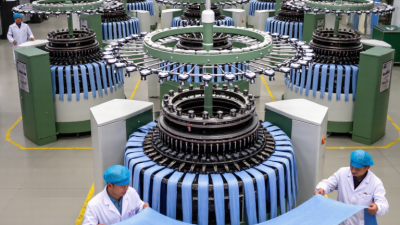
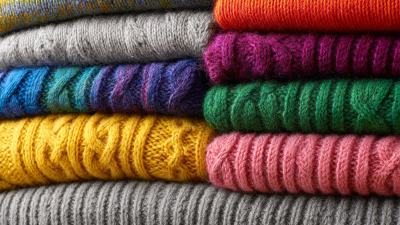
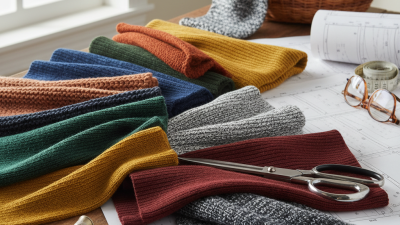
Choosing the right Knitted Fabric is rarely as simple as comparing color, weight, or price. Global buyers must examine fiber content, stitch structure, stretch recovery, surface appearance, and end-use performance. A soft jersey may suit a T-shirt, while a stable interlock can better support premium sportswear. Rib knit offers controlled elasticity, but it may lose shape under poor finishing conditions. Small technical differences matter.
Textile scientist Dr. Subhash K. Batra offers a useful principle: “A fabric’s performance begins with its structure, not its appearance.” This perspective guides the ten fabric types discussed in this article. Each section considers construction, typical applications, purchasing advantages, and possible limitations. The list covers jersey, rib, interlock, pique, fleece, French terry, mesh, jacquard, tricot, and warp-knit fabrics. These categories are common, but they are not always strictly separated. Some suppliers use overlapping commercial names.
Look beyond the swatch.
Experienced buyers should request GSM, width, shrinkage results, colorfastness data, and test samples before placing large orders. A fabric that feels excellent on a showroom table may behave differently after washing, dyeing, or sewing. That uncomfortable gap deserves attention. This guide aims to make comparisons clearer, not to promise one universal best choice. Climate, machinery, target market, and compliance requirements can change the final decision. Reliable sourcing depends on verified specifications, consistent sampling, and honest communication between mills, manufacturers, and buyers.
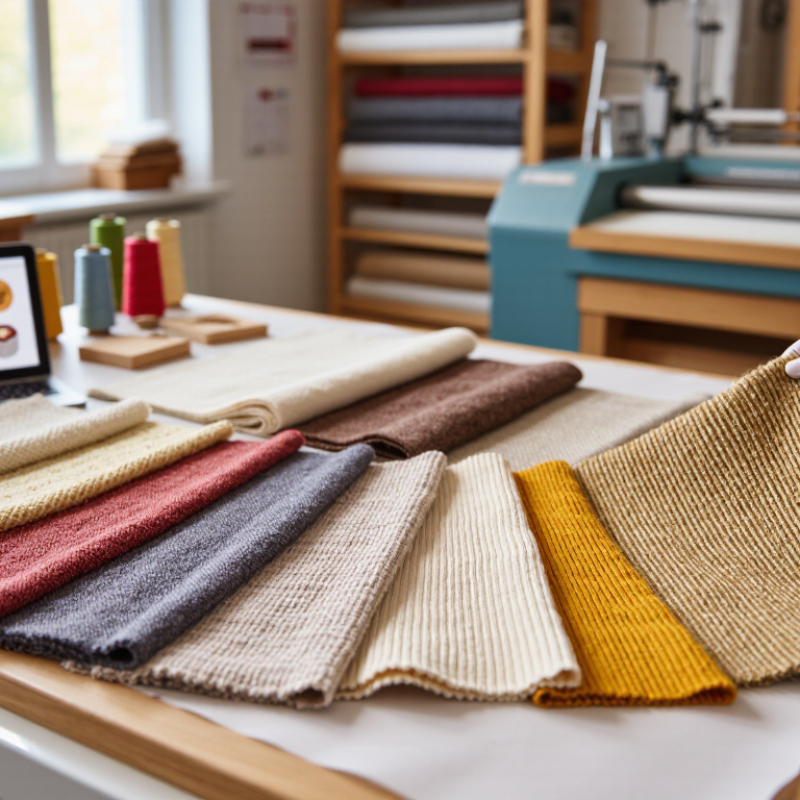
Knitted fabric is formed by interlocking yarn loops, not crossing yarns at right angles. This looped structure gives stretch, softness, and comfortable movement. It also explains why knitted garments may recover poorly after repeated wear. Textile Exchange reported that global fiber production reached about 124 million tonnes in 2023. The report expects this figure to approach 160 million tonnes by 2030. Material selection therefore deserves closer attention.
Knitted fabrics are commonly classified by construction, yarn, fiber, and surface finish. Weft knits include jersey, rib, interlock, pique, and fleece. They are widely used for shirts, underwear, sportswear, and casual garments. Warp knits, such as tricot and raschel, usually offer better dimensional stability. Single jersey feels light and flexible. Rib fabric stretches across the body. Interlock feels denser and smoother. Fleece adds warmth through a brushed or looped back. These differences affect GSM, recovery, pilling, shrinkage, and production cost.
Top 10 Knitted Fabric Types for Global Buyers
Ten Major Knitted Fabric Types and Their Key Characteristics
Single jersey is lightweight, flexible, and common in T-shirts. Interlock feels smoother, thicker, and more stable on both sides. Rib knit stretches strongly, making it suitable for cuffs, collars, and fitted garments. Piqué creates a textured surface with better airflow. French terry has smooth outer yarns and absorbent loops inside. Fleece adds brushed warmth, though heavy brushing can increase pilling. Ponte Roma offers a firm, polished handle for trousers and structured dresses. Tricot is warp-knitted, smooth, and resistant to runs. Raschel structures support open designs, lace effects, and technical applications. Mesh improves ventilation, but its durability depends heavily on yarn size and finishing.
Material selection should follow end use, climate, and washing conditions. Textile Exchange’s Materials Market Report 2024 estimates global fiber production reached about 124 million tonnes in 2023 and may approach 160 million tonnes by 2030. The same report places recycled fibers at roughly 7.6% of total production, showing why traceable composition data matters. I would request fabric weight, stitch density, shrinkage results, pilling grade, and colorfastness records before ordering. A soft hand is not proof of quality. Sometimes, it hides weak recovery or unstable finishing. Small test lots remain wiser than attractive swatches.
| No. | Knitted Fabric Type | Basic Construction | Typical Weight | Stretch & Recovery | Breathability | Handle & Appearance | Common Applications | Key Buying Considerations |
|---|---|---|---|---|---|---|---|---|
| 1 | Single Jersey | Single-knit weft structure with a smooth face and looped back. | 120–220 g/m² | Medium Natural crosswise stretch; recovery depends on fiber and elastane content. |
★★★★☆ Generally good because of its relatively open knit structure. |
Lightweight, soft, flexible, and comfortable; may curl at the cut edge. | T-shirts, underwear, casual tops, lightweight dresses, babywear. | Check spirality, pilling resistance, shrinkage, colorfastness, and GSM consistency. |
| 2 | Rib Knit | Alternating knit and purl columns create a vertical rib texture, such as 1×1 or 2×2 rib. | 180–420 g/m² | High Excellent widthwise stretch and useful recovery, especially with elastane. |
★★★☆☆ Moderate; denser ribs may reduce airflow. |
Textured, resilient, and body-hugging with strong edge recovery. | Cuffs, waistbands, neckbands, fitted tops, tank tops, sweaters. | Confirm rib ratio, relaxation shrinkage, recovery after washing, and tubular width. |
| 3 | Interlock | Double-knit construction made from two layers of intermeshed jersey loops. | 180–320 g/m² | Medium–High Stable stretch with better recovery and less curling than single jersey. |
★★★☆☆ Moderate, with a smoother and denser structure. |
Smooth on both sides, opaque, stable, and soft with a substantial hand. | Premium T-shirts, polo shirts, leggings, babywear, loungewear. | Evaluate dimensional stability, surface smoothness, weight, and dye penetration. |
| 4 | Piqué Knit | Textured knit with a raised geometric or honeycomb surface, commonly made using tuck stitches. | 180–260 g/m² | Low–Medium Moderate natural stretch; elastane can increase flexibility. |
★★★★☆ Textured structure can improve airflow and moisture release. |
Distinctive textured face, crisp hand, and better body than standard jersey. | Polo shirts, sportswear, uniforms, casual shirts, golf apparel. | Check texture definition, snag resistance, colorfastness, shrinkage, and skew. |
| 5 | French Terry | Knitted face with soft looped yarns on the reverse; usually lighter than fleece. | 220–380 g/m² | Medium Comfortable stretch with moderate recovery. |
★★★★☆ Looped back helps absorb moisture and allows air circulation. |
Soft, absorbent, and versatile; reverse side remains looped rather than brushed. | Sweatshirts, hoodies, joggers, shorts, children’s clothing. | Specify loop size, absorbency, shrinkage, surface pilling, and weight after finishing. |
| 6 | Fleece Knit | Knitted fabric with a brushed or napped reverse that traps air for warmth. | 240–450 g/m² | Medium Stretch varies by construction; brushed surfaces may reduce recovery over time. |
★★☆☆☆ Warm and less air-permeable than lightweight jersey. |
Warm, soft, insulating, and often voluminous; may shed fibers or pill if poorly finished. | Hoodies, sweatshirts, tracksuits, blankets, cold-weather leisurewear. | Assess brushing quality, anti-pilling performance, shedding, colorfastness, and shrinkage. |
| 7 | Velour Knit | Cut-pile knitted fabric with a short, dense, velvet-like surface. | 220–420 g/m² | Medium Usually flexible, but pile direction can affect visual uniformity. |
★★☆☆☆ Dense pile reduces airflow compared with plain jersey. |
Luxurious, plush, smooth, and lustrous; directional nap creates shade variation. | Loungewear, tracksuits, robes, fashion tops, decorative apparel. | Check pile density, nap direction, crushing resistance, shade consistency, and colorfastness. |
| 8 | Ponte Roma | Stable double-knit fabric, commonly produced with a compact interlock-type structure. | 280–450 g/m² | Medium–High Firm stretch and good recovery, especially when blended with elastane. |
★★☆☆☆ Compact construction provides structure but limits airflow. |
Dense, smooth, opaque, and structured with a polished appearance. | Tailored dresses, trousers, skirts, jackets, structured knitwear. | Verify width stability, seam performance, recovery, pilling, and suitability for tailored shapes. |
| 9 | Mesh Knit | Open-knit construction with regularly spaced holes or engineered ventilation zones. | 90–220 g/m² | Medium–High Often flexible; stretch depends on mesh pattern and fiber content. |
★★★★★ Excellent airflow and moisture vapor transfer. |
Lightweight, breathable, and visually open; may require lining for opacity. | Sports jerseys, activewear panels, linings, footwear uppers, outdoor apparel. | Check hole size, snag resistance, dimensional stability, opacity, and seam durability. |
| 10 | Jacquard Knit | Patterned knit produced by selectively controlling needles or yarns during knitting. | 180–400 g/m² | Low–Medium Varies significantly with pattern, structure, and fiber composition. |
★★★☆☆ Depends on whether the design is lightweight, dense, or double-layered. |
Decorative, patterned, and available in complex textures or color effects. | Sweaters, fashion tops, dresses, upholstery panels, premium knit accessories. | Review pattern repeat, snagging risk, reverse-side appearance, shrinkage, and pattern alignment. |
Knitted fabric performance starts with loop structure, not appearance. Jersey offers softness and stretch, but its single-layer construction may curl at the edges. Rib fabric uses vertical wales for recovery and close-fitting garments. Interlock feels denser, with better dimensional stability. Piqué adds texture and airflow, while fleece traps warmth through a brushed inner surface. Warp knits can resist runs and suit technical apparel. Small details matter.
Fiber selection changes the same construction dramatically. Cotton improves moisture comfort, but it can shrink without proper finishing. Polyester supports durability and faster drying, while elastane improves extension and recovery.
Textile Exchange’s Materials Market Report 2024 estimated global fiber production at 124 million tonnes in 2023. Synthetic fibers represented roughly two-thirds of output, showing why buyers must assess both performance and sourcing risks. Recycled content can help, but certification and traceability still require careful checking.
Weight affects drape, opacity, warmth, and freight cost. A 120 gsm jersey may suit lightweight summer tops, while a 280 gsm fleece feels more protective. However, gsm alone cannot predict quality. A loose, heavy knit may stretch poorly after washing.
In factory evaluations, buyers should test pilling, spirality, bursting strength, shrinkage, and colorfastness after laundering. AATCC and ASTM test methods provide useful frameworks, but laboratory results may not match every production lot.
That gap deserves attention. A neat specification can still mislead.
Jersey is widely used for T-shirts, underwear, and lightweight dresses because it drapes easily. Rib knit suits cuffs, waistbands, fitted tops, and babywear. Interlock offers a smoother, denser surface for polo shirts, leggings, and premium loungewear. Piqué creates a textured surface for polo shirts and breathable summer uniforms. French terry works well for sweatshirts, joggers, and travel clothing. Fleece provides warmth in hoodies, blankets, and winter layers. Mesh supports sports jerseys, lining panels, footwear uppers, and ventilation zones. Velour adds softness to robes, fashion sets, and decorative home textiles. Ponte knit gives structure to trousers, jackets, and office dresses. Tricot, often warp-knitted, is common in lingerie, swimwear, and technical linings.
Material selection still changes the final result. Textile Exchange’s Materials Market Report 2024 estimates global fiber production reached 124 million tonnes in 2023. Polyester represented about 57%, while cotton accounted for approximately 22%. This helps explain polyester’s strong presence in fleece, mesh, and performance jersey. The report also highlights growing pressure to improve recycled and lower-impact sourcing.
The Textile Exchange report is useful, but it does not replace fabric testing. Shrinkage, pilling, recovery, colorfastness, and GSM should be checked before bulk production.
A soft sample may lose shape after washing. That is easy to miss.
Buyers should also confirm fiber content, knitting structure, finishing method, and test conditions. These categories overlap; a polyester jersey and a cotton jersey can serve similar products, yet perform very differently.
Top 10 Knitted Fabric Types for Global Buyers
Choosing knitted fabric starts with the product, not the supplier’s catalogue. Jersey suits lightweight T-shirts and smooth drape. Rib fabric adds stretch to cuffs, necklines, and fitted garments. Interlock feels denser and more stable. Fleece offers warmth, while terry fabric supports absorbent casualwear. Piqué, mesh, jacquard, ponte, and spacer fabrics serve different structures and performance needs. Each option needs practical testing.
I recommend preparing a clear fabric specification before requesting quotations. Include fiber content, weight, width, stretch percentage, recovery, color standard, and finishing requirements. Ask for samples from bulk production, not only showroom swatches. Check shrinkage after washing. Measure spirality, pilling, colorfastness, and seam performance. Small differences matter.
Test it in the real garment.
Sourcing decisions should also consider production capacity, lead time, minimum order quantity, and inspection procedures. Request relevant test reports and confirm how the supplier controls lot-to-lot variation. Traceable raw materials improve reliability, especially for recycled or blended fibers. A supplier may offer an attractive price, but unstable width can create expensive cutting waste. I once underestimated recovery in a stretch fabric, and the finished garment lost its shape faster than expected. That mistake changed my sampling process. Laboratory data is useful, but wear trials reveal problems numbers may miss. Build approval around evidence, communication, and repeatable quality.
Typical commercial fabric weight by knitted fabric type, measured in grams per square metre (GSM).
How to use this chart: Select fabric by balancing weight, hand feel, stretch, breathability, end use, and shipping requirements. GSM values are indicative commercial midpoints; final specifications should be confirmed with supplier samples and test reports.