China’s knitted sportswear fabric sector is gaining attention as global activewear demand expands. Grand View Research valued the global sports apparel market at approximately USD 248.9 billion in 2023. It also projects continued growth through 2030. That growth is changing factory expectations. Buyers now examine stretch recovery, moisture management, pilling resistance, and colorfastness before discussing price.
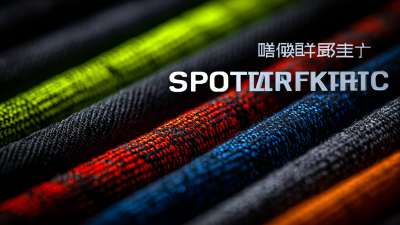
Knitted Sportwear Fabric remains central to this shift. Its looped construction can provide softness, flexibility, and body movement. A well-engineered interlock fabric feels smooth against the skin. A lightweight polyester-spandex jersey can dry quickly after a demanding workout. Small details matter. Textile analyst David Shah offers a useful principle: “Performance begins with the fabric, not the logo.” The statement is simple, but manufacturers sometimes overlook it.
China’s strongest suppliers combine knitting, dyeing, finishing, and testing capabilities. Many also develop recycled polyester, bio-based fibers, and solution-dyed materials. Textile Exchange reported that polyester represented about 57% of global fiber production in 2022. That figure explains why recycled inputs receive serious attention. However, recycled content alone does not prove responsible production. Traceability, chemical management, wastewater treatment, and verified certifications still require careful checking.
Factory claims need evidence. Test reports should support every performance promise. Buyers should request GSM records, stretch data, and wash-test results. Sustainability language can become vague. Even experienced sourcing teams miss details sometimes. This guide examines China’s leading knitted sportswear fabric manufacturers, their technical strengths, certifications, production experience, and suitability for different activewear applications.
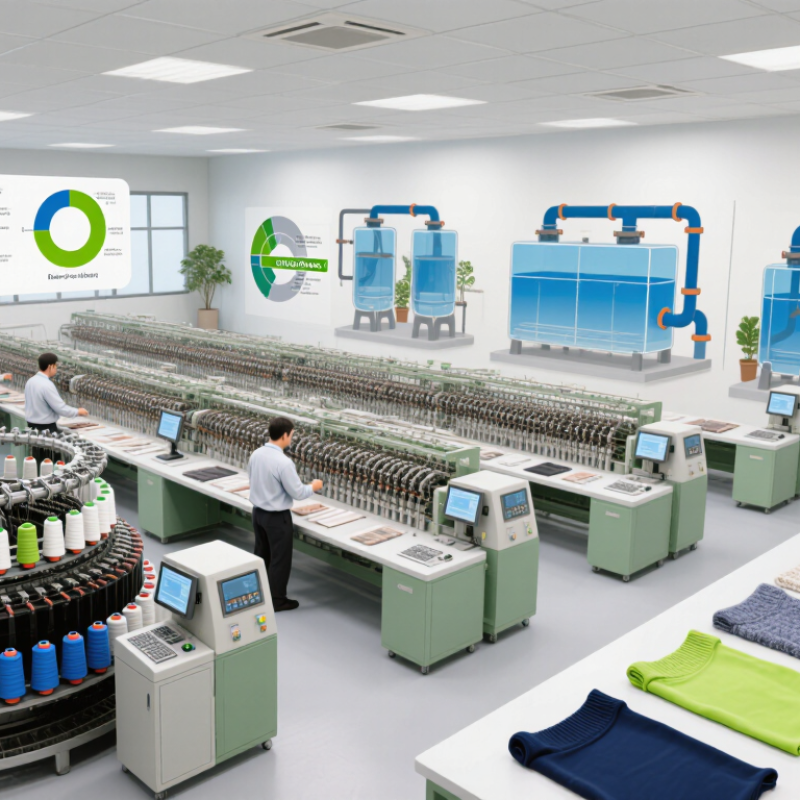
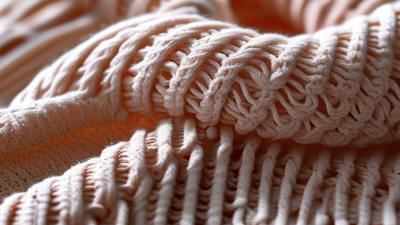
Knitted sportswear fabric is a textile formed by interlocking loops of yarn. Unlike woven fabric, it usually stretches more easily in several directions. This structure supports movement during running, training, yoga, and team sports. Common fibers include polyester, nylon, elastane, and recycled synthetic yarns. Each choice changes the fabric’s softness, drying speed, strength, and recovery.
Fabric performance depends on more than fiber content. Loop density, yarn size, finishing treatments, and fabric weight also matter. A lightweight jersey may feel cool, while a denser interlock can offer better coverage. In practical testing, I check stretch recovery after repeated pulls, color stability after washing, and pilling after abrasion. Some fabrics look excellent on a sample table but feel warmer during long workouts. That difference deserves attention.
Tips: Hold the fabric against light. Check whether it becomes too transparent when stretched. Rub a hidden area to inspect surface fuzz. Ask for test data, but verify it through wear trials. Moisture management claims can be useful, yet they are not universal. A fabric that dries quickly may still retain odor or lose shape over time. Small production differences can also affect hand feel. Careful sampling remains necessary.
| Knitted Sportswear Fabric Type | Typical Fiber Composition | Typical Weight | Stretch Characteristics | Main Performance Properties | Common Sportswear Applications |
|---|---|---|---|---|---|
| Polyester Interlock | 100% polyester | 140–220 g/m² | Low to moderate mechanical stretch | Smooth surface, durable, quick drying, good shape retention | Training shirts, team jerseys, running tops, base layers |
| Polyester Mesh | 100% polyester | 90–160 g/m² | Low stretch unless mechanically engineered | High air permeability, lightweight, rapid moisture evaporation | Ventilation panels, football jerseys, gym tops, athletic lining |
| Polyester-Spandex Jersey | Typically 85–92% polyester and 8–15% spandex | 160–240 g/m² | Four-way stretch; commonly 30–70% elongation, depending on construction | Flexible, close fitting, soft hand feel, good recovery | Leggings, compression tops, yoga wear, cycling garments |
| Nylon-Spandex Tricot | Typically 70–80% nylon and 20–30% spandex | 180–300 g/m² | High four-way stretch and excellent recovery | Smooth, abrasion resistant, comfortable, suitable for body-hugging designs | Swimwear, performance leggings, dancewear, compression garments |
| Polyester Piqué | 100% polyester or polyester-spandex blend | 150–220 g/m² | Low to moderate stretch | Textured surface, breathable structure, durable and easy care | Golf shirts, tennis polos, training uniforms, casual activewear |
| Recycled Polyester Knit | Recycled polyester, sometimes blended with spandex | 120–240 g/m² | Depends on knit structure and elastane content | Lightweight, quick drying, durable, supports recycled-content requirements | Eco-focused activewear, sports jerseys, running apparel, athleisure |
| Merino Wool Blend Knit | Typically merino wool blended with polyester or nylon | 140–220 g/m² | Low natural stretch; may increase with synthetic fibers or elastane | Temperature regulation, odor resistance, moisture absorption, thermal comfort | Hiking base layers, outdoor shirts, winter sportswear, travel apparel |
| Brushed Fleece Knit | Polyester or cotton-polyester blend | 240–360 g/m² | Moderate stretch, depending on blend and construction | Warm, soft, insulating, comfortable in cool conditions | Sweatshirts, jogging suits, warm-up jackets, winter training wear |
| Evaluation Dimension | Recommended Technical Requirement | Why It Matters | Typical Verification Method |
|---|---|---|---|
| Fiber and Material Traceability | Documented fiber composition and recycled-content evidence where applicable | Confirms product claims and supports responsible sourcing | Fiber-composition testing, transaction documents, certification records |
| Dimensional Stability | Controlled shrinkage after laundering; target depends on the product specification | Prevents garment distortion and inconsistent sizing | AATCC 135 or ISO 5077 laundering and dimensional-change testing |
| Colorfastness | Suitable resistance to washing, perspiration, rubbing, and light exposure | Maintains appearance during repeated sportswear use | ISO 105 series or AATCC colorfastness methods |
| Stretch and Recovery | Stretch level and recovery matched to the garment pattern and activity | Improves mobility, fit, and long-term wear performance | ASTM D2594, ASTM D3107, or an agreed laboratory method |
| Pilling Resistance | Performance level selected according to end use and surface finish | Reduces surface fuzz and visible wear after abrasion | ISO 12945-2 or ASTM D3512 testing |
| Moisture Management | Moisture-wicking and drying performance appropriate for the intended activity | Improves comfort during exercise and repeated laundering | AATCC 195, AATCC 201, or equivalent moisture-management testing |
| Fabric Weight and Width Control | Production tolerance defined for GSM, usable width, and roll length | Supports accurate consumption planning and consistent cutting | GSM measurement, width inspection, roll-by-roll quality records |
| Chemical and Product Safety | Compliance with applicable restricted-substance and market requirements | Reduces regulatory, health, and import-compliance risks | Independent laboratory testing against the destination-market requirements |
Note: Technical ranges are common industry reference values. Actual performance varies according to yarn specification, knitting structure, finishing process, dyeing method, and product requirements.