Top 10 Rayon Knitted Fabric Uses for Global Buyers?
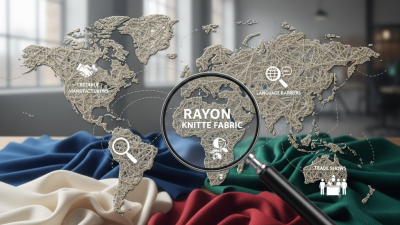
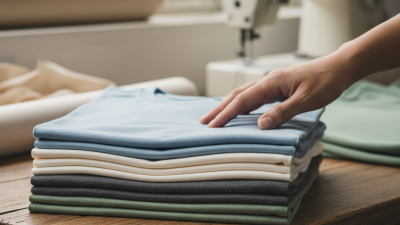
Rayon Knitted Fabric has become a popular choice for buyers around the world. Its unique properties make it suitable for various applications. This fabric is known for its softness, breathability, and versatility. Many industries are embracing rayon due to these qualities.
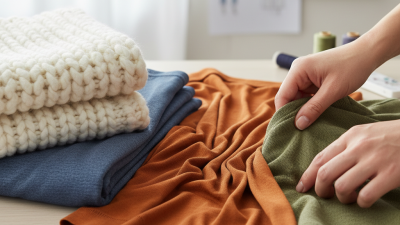
From fashion to home décor, the uses of Rayon Knitted Fabric are numerous. It is often used in casual wear, loungewear, and activewear. Additionally, this fabric finds its place in upholstery and bedding items. Its appealing drape and smooth texture enhance the aesthetics of clothing and decor.
While Rayon Knitted Fabric offers incredible benefits, it is essential for buyers to consider its care requirements. The fabric can be delicate when washed or dried incorrectly. This reflection on maintenance can lead to better purchasing decisions. Awareness of both advantages and challenges ensures a more informed use of this versatile fabric in various applications.
Common Applications of Rayon Knitted Fabric in Fashion Industry
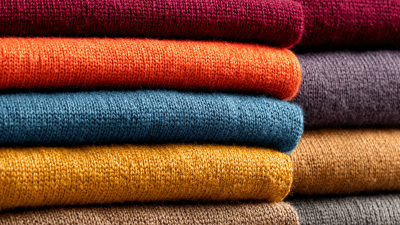
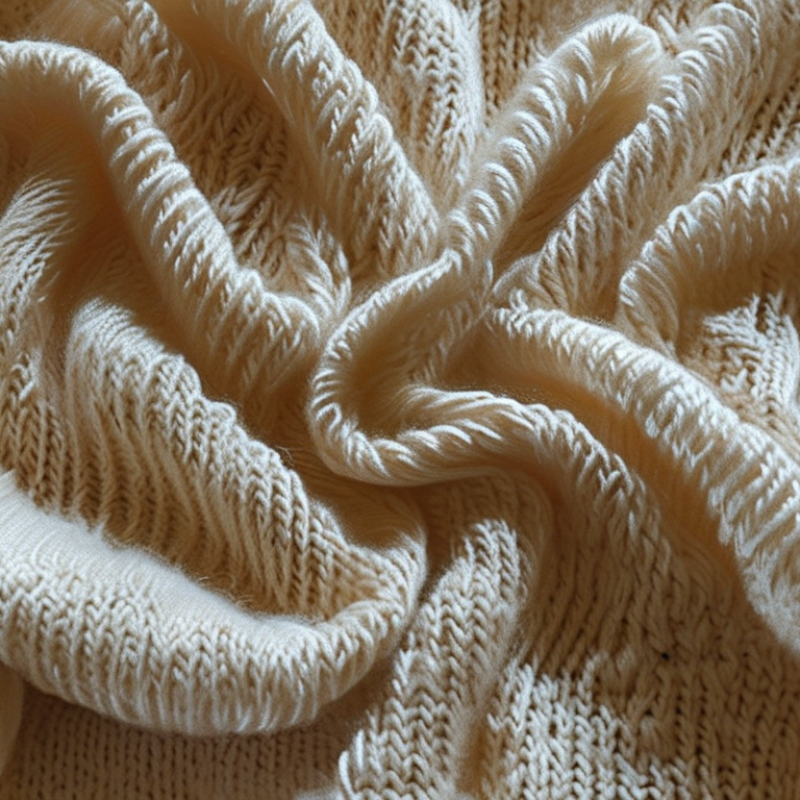
Rayon knitted fabric is celebrated for its versatility in the fashion industry. This material is lightweight and has excellent draping qualities. Designers frequently use rayon for creating dresses, t-shirts, and activewear. The fabric’s softness enhances comfort, making it a popular choice for everyday wear.
One common application of rayon knitted fabric is in casual clothing. It blends well with other materials, providing a smooth finish. These fabrics often feature vibrant prints and patterns, appealing to various consumer tastes. Rayon is also breathable, ideal for warm weather attire.
Tips: Remember to check fabric care instructions. Proper washing can maintain the beauty of rayon. Also, consider layering rayon pieces for a chic look. While rayon offers comfort, it does have weaknesses. It may wrinkle easily. Therefore, choose your settings wisely while ironing.
Fashion designers also use rayon in high-end garments. The sheen of the fabric adds a luxurious touch. Evening gowns and party attire often utilize rayon for that elegant feel. While it looks beautiful, durability can be a concern. A balance between style and longevity is essential.
Rayon Knitted Fabric in Activewear: Benefits and Features
Rayon knitted fabric has become increasingly popular in activewear due to its unique properties. This fabric is known for its softness and breathability. Activewear made from rayon allows for increased comfort during physical activities. The fabric efficiently wicks moisture away from the skin. As a result, athletes can stay dry and comfortable, even during intense workouts.
In addition to moisture management, rayon knitted fabric does not restrict movement. It offers excellent stretch and flexibility, making it ideal for sports like yoga and running. This flexibility encourages a full range of motion, enhancing athletic performance. Many users appreciate the lightweight nature of rayon, which adds to its appeal in activewear. However, it is essential to consider the fabric's maintenance needs, as rayon may require special care to maintain its longevity.
Rayon’s vibrant colors also attract fashion-savvy consumers. It can be dyed in a variety of shades, offering versatility in styles. However, there are concerns regarding the durability of colors over time, especially with repeated washing. Reflecting on these aspects, it’s crucial to weigh the benefits against potential compromises in longevity and care.
Home Textile Applications of Rayon Knitted Fabric
Rayon knitted fabric has become a popular choice in the home textile industry. Its softness and breathability make it ideal for various applications. This fabric drapes beautifully, creating an elegant look for bedding, curtains, or upholstery. Many people appreciate the luxurious feel it brings to their homes. It can be dyed in vibrant colors or subtle shades, allowing endless design possibilities.
However, not all rayon fabrics are created equal. The quality can vary significantly, and some may pill or fade over time. Buyers should carefully consider their sources to ensure they receive a durable product. While rayon is often praised for its aesthetics, it may require special care. Washing instructions should be followed closely to maintain its look.
In addition to aesthetics, rayon impacts sustainability discussions. Rayon production can be resource-intensive, raising concerns about environmental effects. Homeowners might reflect on their choices, seeking alternatives that balance beauty, durability, and environmental impact. The fabric's charm remains appealing, but awareness of its pros and cons is essential for informed buying decisions.
Top 10 Rayon Knitted Fabric Uses for Global Buyers
Rayon Knitted Fabric for Children's Clothing: Safety and Comfort
Rayon knitted fabric is a popular choice for children's clothing due to its unique qualities. The fabric is soft, breathable, and has a gentle texture that feels nice against delicate skin. These features ensure that children remain comfortable throughout the day, whether they are playing or resting. Safety is paramount when selecting materials for children's apparel. Rayon is often treated to meet safety standards, making it a reliable option for parents.
Comfort is just one aspect. Rayon knitted fabric also offers moisture-wicking properties. This helps keep children dry, minimizing the risk of irritation or rashes. Lightweight pieces made from rayon are perfect for layering, providing versatility in various weather conditions. However, some fabrics may require careful washing to maintain their shape and softness, which could be a challenge for busy parents.
Moreover, it’s important to be aware of potential concerns. Some rayon fibers can be derived from materials that raise environmental questions. Buyers might wish to research the sourcing of the fabric and its manufacturing processes. Thoughtful choices ensure that clothing is not only safe and comfortable but also environmentally responsible.
Top 10 Rayon Knitted Fabric Uses for Global Buyers
| Use Case |
Description |
Benefits |
Recommended Age Group |
| T-Shirts |
Soft, breathable tops for daily wear. |
Comfortable and non-irritating for sensitive skin. |
Infants to 12 years |
| Leggings |
Elastic and form-fitting bottoms. |
Freedom of movement and softness. |
Toddlers to 12 years |
| Dresses |
Fashionable and lightweight dresses. |
Cool and comfortable for warm weather. |
Girls from 1 to 12 years |
| Sleepwear |
Soft pajamas for bedtime. |
Relaxing and non-restrictive for sleep. |
Infants to 12 years |
| Activewear |
Clothes for physical activities. |
Moisture-wicking and flexible. |
Children’s sports (6-12 years) |
| Hoodies |
Casual outerwear for cooler days. |
Warm and cozy with a stylish look. |
All ages |
| Sweaters |
Knitted garments for layering. |
Soft, warm, and flexible fit. |
Toddlers to 12 years |
| Baby Wraps |
Covers for newborns and infants. |
Lightweight and gentle on skin. |
Newborn to 1 year |
| Bodysuits |
All-in-one suits for convenience. |
Easy to dress and change diapers. |
Infants |
Sustainable Practices in the Production of Rayon Knitted Fabrics
Rayon knitted fabrics have gained popularity due to their soft texture and versatility. However, the production process raises sustainability concerns. Sustainable practices are essential for reducing the environmental impact of rayon. Many manufacturers now focus on eco-friendly sourcing of raw materials. This helps minimize deforestation and water usage, making it a more responsible choice.
To ensure sustainability, buyers should seek transparency in the supply chain. Look for suppliers who disclose their sourcing methods. This commitment to transparency reflects their accountability. Employing closed-loop production processes can also reduce waste. It recycles chemicals and reintegrates them into manufacturing.
Tips: Consider using fabrics produced with renewable energy. Opt for suppliers that prioritize certifications. Sustainability extends beyond the fabric itself; check packaging as well. Supporting eco-conscious brands encourages better industry practices. Remember, each purchase can contribute to a more sustainable future. Embrace this shift, as it leads to a positive change in the fashion world. Detecting greenwashing is crucial; always evaluate claims critically. Reassessing your supply choices can be a great start.