China Top 10 Thin Knitted Jacquard Fabric Manufacturers?

China’s knitted textile sector combines deep manufacturing experience with fast product development. This makes it a practical source for Thin Knitted Jacquard Fabric. Yet choosing a reliable supplier requires more than comparing catalog images or factory size.

Prof. Dr. Thomas Gries, a respected textile engineer and former director of the Institute for Textile Technology at RWTH Aachen University, has stated, “Textiles are high-tech products.” That view fits jacquard fabric well. A thin structure may look delicate, but its performance depends on yarn selection, loop stability, gauge, finishing, and inspection discipline. Small differences can affect stretch, drape, color clarity, and resistance to pilling.

This guide introduces China’s top 10 Thin Knitted Jacquard Fabric manufacturers through practical purchasing criteria. These include production capability, customization experience, fabric weight, pattern accuracy, sampling speed, quality control, and export service. Some manufacturers focus on fashion apparel. Others serve home textiles, sportswear, uniforms, or technical applications. The strongest option is not always the largest factory. It may be the supplier that communicates clearly and identifies risks before bulk production.

Ask for recent samples. Check the reverse side carefully. Review shrinkage data, composition records, and colorfastness results. A beautiful sample can still hide unstable finishing or inconsistent delivery. That part deserves caution.

Supplier rankings also have limits. Public information may be incomplete, and factory capabilities can change. Therefore, buyers should verify certificates, inspect production conditions, and test pre-production samples independently. This overview offers a useful starting point, not a substitute for professional due diligence.
China Top 10 Thin Knitted Jacquard Fabric Manufacturers?

Definition and Key Features of Thin Knitted Jacquard Fabric

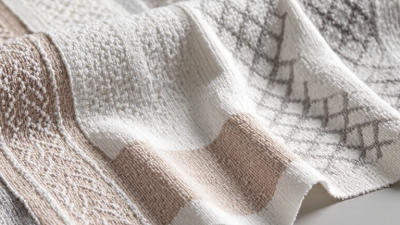
Thin knitted jacquard fabric is a lightweight textile made from interlocking yarn loops. Its patterned surface comes from controlled knitting structures, rather than printed color. This method creates visual depth while keeping the material flexible and soft.

Key features include low weight, gentle stretch, breathability, and comfortable drape. Fabric weight often varies with yarn size, knitting gauge, and fiber selection. A finer gauge can produce sharper patterns, but it may reduce resistance to snagging. Experienced buyers should inspect loop density, surface recovery, and edge curling before production. These details reveal more than appearance alone.

Small flaws matter.

Tips: Request a sample with the intended yarn and pattern scale. Measure weight, width, stretch, and recovery after washing. Rub the surface lightly to check for fuzzing or loose loops. A fabric may look elegant yet perform poorly under repeated movement. I have found that unstable edges can complicate cutting and sewing, especially in narrow panels. Testing under actual use conditions is wiser than relying only on supplier specifications. Some evaluations may still miss long-term wear, so records and repeated checks remain valuable.
China Top 10 Thin Knitted Jacquard Fabric Manufacturers? - Definition and Key Features of Thin Knitted Jacquard Fabric

Industry reference table for evaluating thin knitted jacquard fabric suppliers and production capabilities. No company or brand data is included.

Definition: Thin knitted jacquard fabric is a lightweight weft- or warp-knitted textile that forms decorative patterns through selective yarn or stitch construction. It is commonly used for apparel, linings, lightweight home textiles, accessories, and performance-fashion applications.
No. Evaluation Dimension Typical Industry Reference Key Feature or Technical Meaning Quality Check
1 Fabric Weight Approximately 60–180 g/m² for lightweight constructions Lower weight improves drape, breathability, and suitability for warm-weather or layering garments. Check GSM uniformity across the full fabric width.
2 Knitting Gauge Commonly fine-gauge construction, often around 24–40 needles per inch depending on machine type Finer gauges generally support lighter handle, sharper detail, and smoother surface appearance. Confirm gauge, stitch density, and pattern resolution from a fabric sample.
3 Fiber Composition Polyester, nylon, viscose, cotton, recycled polyester, or blended yarns Fiber selection affects softness, moisture management, colorfastness, resilience, and care requirements. Request composition verification and applicable fiber-content documentation.
4 Jacquard Pattern Capability Geometric, floral, abstract, logo-free, tonal, and multicolor motifs The pattern is created within the knitted structure rather than applied only as a surface print. Evaluate motif clarity, repeat accuracy, backside appearance, and edge definition.
5 Usable Fabric Width Common apparel widths are approximately 140–180 cm, depending on construction and finishing Wider usable width can improve marker efficiency and reduce cutting waste. Measure usable width after finishing, excluding selvedge and unusable areas.
6 Stretch and Recovery Varies by stitch structure and fiber; two-way or four-way stretch may be available Knitted construction provides flexibility, while elastane blends can improve extension and recovery. Test stretch percentage and residual deformation in both fabric directions.
7 Dimensional Stability Depends on yarn, stitch structure, relaxation, dyeing, and finishing process Proper finishing helps control shrinkage, skew, spirality, and pattern distortion. Conduct pre- and post-wash measurements according to the intended care method.
8 Colorfastness Performance should be verified for washing, rubbing, perspiration, and light as required Adequate colorfastness protects appearance during normal use and laundering. Use recognized textile test methods and define acceptance levels before production.
9 Surface and Handle Smooth, soft, cool-touch, lustrous, matte, or textured finishes are available Handle is influenced by yarn fineness, fiber type, stitch design, brushing, and finishing treatments. Inspect for pilling, snagging, barre, needle lines, holes, and uneven texture.
10 Compliance and Production Control Quality systems, restricted-substance control, traceability, and batch inspection should be documented Consistent process control reduces shade variation, construction defects, and delivery risk. Review test reports, inspection records, material traceability, and pre-shipment samples.

Note: The values shown are typical reference ranges for thin knitted jacquard fabrics. Actual specifications vary according to yarn type, machine configuration, stitch structure, finishing process, and end-use requirements.

Criteria for Ranking China’s Top Manufacturers

China’s top thin knitted jacquard fabric manufacturers should be ranked by evidence, not production claims. A credible review examines factory capability, technical staff, and documented quality systems. Fabric weight, usually measured in GSM, must remain stable across repeated rolls. Gauge, yarn composition, stretch recovery, and pattern definition also deserve careful testing. A strong manufacturer can explain its knitting settings and finishing controls clearly. It should provide recent sample records, inspection reports, and traceable material information. Capacity matters, but consistent delivery matters more. A large workshop is not automatically a reliable supplier.

The ranking should combine factory visits, independent testing, and verified buyer feedback. Useful indicators include sample accuracy, shade consistency, defect rates, minimum order quantity, and lead-time performance.

Inspectors should check rolls under bright light, measure width, and test shrinkage after washing. Small details reveal practical skill. Price should receive limited weight because unusually low quotes may hide weaker yarns or rushed finishing. No ranking is perfect. Public information can be incomplete, and one excellent sample may not represent seasonal production. A transparent scoring model should show both strengths and unresolved concerns.

Tips: Request three production samples, not one. Compare GSM, stretch, color, and pattern alignment. Ask for a corrective-action record when defects occur. Confirm whether testing is performed internally or by an independent laboratory. Keep written specifications before placing an order.

Profiles of the Top 10 Thin Knitted Jacquard Fabric Manufacturers

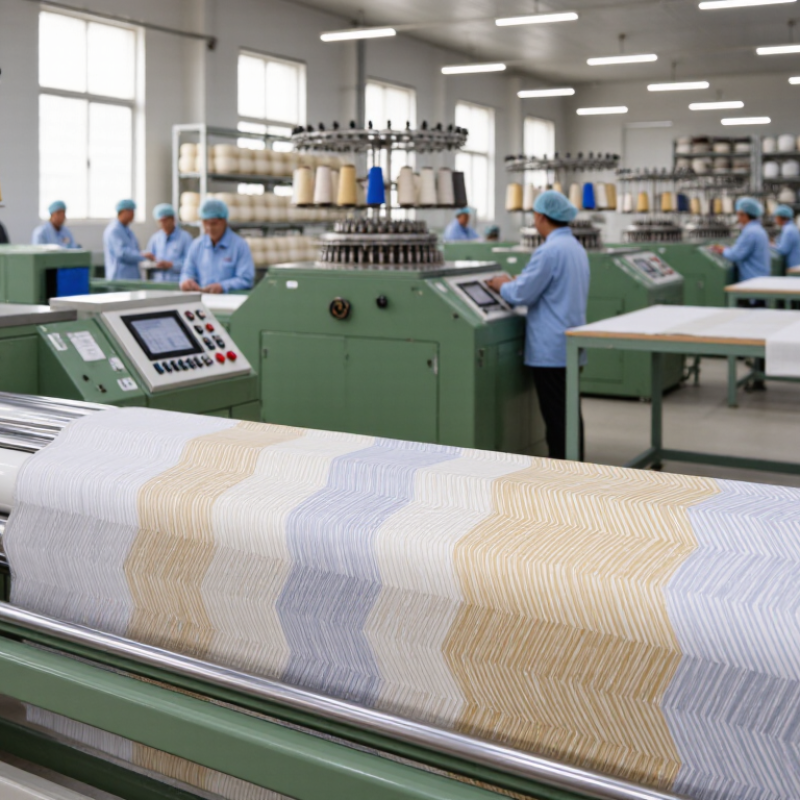
China’s leading thin knitted jacquard fabric manufacturers differ by equipment, fiber control, and finishing expertise. One focuses on lightweight polyester blends for sportswear. Another develops soft viscose fabrics for dresses and scarves. A third specializes in recycled fibers, using traceable material records. A fourth serves uniform production with stable color matching. These factories often operate computerized jacquard machines, producing fine patterns at weights below 180 grams per square meter.

A fifth manufacturer is experienced in compact cotton and cotton-modal constructions. A sixth produces stretch jacquard fabric with carefully tested elastane recovery. A seventh supplies narrow-width fabrics for collars, cuffs, and decorative panels.

An eighth emphasizes digital sampling, reducing approval time for seasonal collections. A ninth combines knitting with brushing, calendering, or moisture-control finishing. The tenth profile represents smaller flexible factories that accept lower trial quantities. Useful, but not always consistent.

A reliable assessment should examine machine age, needle density, and production records. Factory visits can reveal storage conditions, inspection routines, and actual sample quality. Ask for wash-test data, shrinkage results, colorfastness reports, and composition verification. Experienced buyers also compare the approved swatch with bulk rolls under natural light. Small differences matter. Some manufacturers present attractive samples but struggle with repeated orders. That weakness deserves honest attention. Ethical sourcing records, worker safety practices, and clear quality agreements further support dependable cooperation.

Manufacturing Capabilities, Quality Standards, and Product Applications

China’s top ten thin knitted jacquard fabric manufacturers should be judged by capability, not marketing claims. Experienced factories usually operate computerized jacquard knitting machines, sampling rooms, and in-house inspection teams. They can manage fine gauges, stable loop density, and complex geometric patterns. Production records should show consistent width, weight, color, and stretch across repeated orders. Small sample differences still happen, especially with recycled yarns or delicate fibers.

Quality standards need practical verification. Reliable manufacturers test colorfastness, pilling resistance, dimensional stability, tensile strength, and fabric recovery. They should provide inspection reports, fiber-content records, and clear tolerance ranges. Buyers should also check whether testing follows recognized international methods. A factory may pass one test yet struggle during bulk production. That gap deserves attention. Thin jacquard fabric is commonly used for lightweight sweaters, fashion tops, base layers, scarves, children’s clothing, and breathable home-textile panels. Its texture adds visual depth without excessive weight.

Tips: Request a lab dip, a one-meter trial, and a washed sample. Compare shrinkage before approving bulk production. Ask how defects are recorded and corrected. Check packing pressure, because folded jacquard can develop permanent marks. Do not rely only on photographs. A factory visit or verified third-party inspection offers stronger evidence, although neither guarantees perfection. Record every approved specification in writing.

How to Select the Right Chinese Manufacturer for Your Needs

When reviewing China’s top ten thin knitted jacquard fabric manufacturers, online rankings should not guide the decision alone. A polished website proves little. Request the factory’s registration details, production address, equipment list, and recent test reports. Check whether knitting, dyeing, finishing, and inspection happen in-house. If processes are outsourced, ask who controls quality. This matters. Request samples in your target fiber blend and weight, rather than a generic swatch. Measure GSM, width, stretch recovery, shrinkage, and appearance after washing.

A capable supplier should explain machine gauge, yarn count, pattern limits, and acceptable tolerances. Ask for a pre-production sample using your artwork and color references. Review independent laboratory results for colorfastness, pilling, dimensional stability, and restricted-substance compliance. Do not accept vague promises. Confirm minimum order quantity, sampling fees, lead time, payment stages, and defect handling in writing. A factory video call may reveal dusty storage, crowded aisles, or weak inspection routines. Still, one call is not proof.

Compare at least three quotations using identical specifications. The cheapest offer may hide weaker yarn or unstable finishing. Ask for references from similar fabric programs with measurable delivery records. A reliable manufacturer reports problems early and proposes a correction plan. That habit matters more than confident sales language. I would still question my first choice after a successful sample. Jacquard texture can change between colors and batches. Approve a sealed reference sample before bulk production, then inspect the first shipment against it. Small oversights become expensive.

China Top 10 Thin Knitted Jacquard Fabric Manufacturers? How to Select the Right Chinese Manufacturer for Your Needs

This buyer-focused scorecard highlights practical priorities when comparing Chinese thin knitted jacquard fabric manufacturers. Technical consistency, pattern registration, material quality, and colorfastness should be assessed with samples, test reports, and production records rather than company size alone.