2026 Best Viscose Knitted Fabric Trends for Global Buyers?
As the fashion industry evolves, the demand for innovative materials grows. One standout choice is Viscose Knitted Fabric. This fabric trend is gaining global attention for its versatility and appeal. Its soft touch and breathable nature make it ideal for various clothing styles.
Viscose Knitted Fabric is not just about comfort. It's also eco-friendly, which resonates with today's environmentally conscious consumers. Many buyers are looking for sustainable options, and viscose offers a responsible choice. The fabric's ability to mimic silk yet provide superior stretch is a game changer.
However, embracing new trends isn't without challenges. The quality of viscose knitted fabric can vary significantly. Buyers must be educated about sourcing reliable suppliers. This need for awareness highlights the importance of research and expertise in the fabric selection process. Ultimately, the rise of Viscose Knitted Fabric represents both an opportunity and a responsibility for fashion brands.
2026 Viscose Knitted Fabric Market Overview and Growth Projections
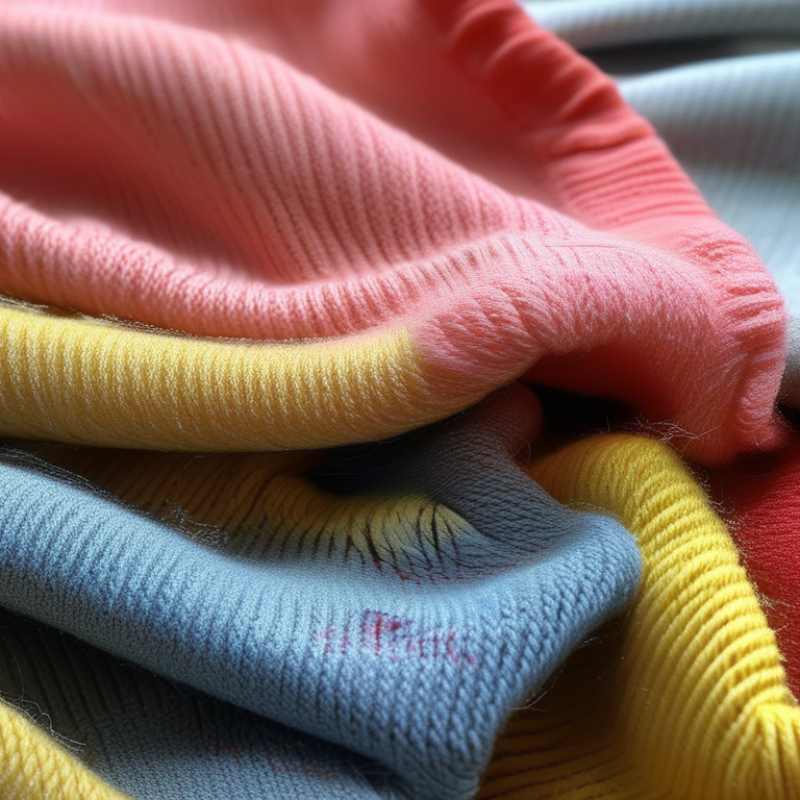
The global market for viscose knitted fabrics is evolving rapidly. As we approach 2026, understanding these trends is crucial for buyers. Recent research indicates significant growth projections driven by sustainability and comfort. The demand for eco-friendly fabrics is rising, influenced by consumer preferences for sustainable fashion.
Viscose knitted fabrics boast versatility and breathability. They are ideal for various clothing items, from casual wear to athleisure. The softness and drape make them appealing to manufacturers. However, buyers should remain cautious about sourcing practices. Transparency in the supply chain is vital for ensuring ethical production.
**Tips:** Look for certifications that guarantee sustainable sourcing. Regular audits can help maintain quality standards. Lastly, pay attention to fabric blends. Different combinations can affect performance and comfort, so thorough testing is essential. Keeping these factors in mind will aid in making informed decisions in the evolving viscose market.
2026 Best Viscose Knitted Fabric Trends for Global Buyers
| Trend |
Growth Rate (%) |
Key Markets |
Application |
Sustainability Aspect |
| Innovative Textures |
10% |
Europe, North America |
Fashion Apparel |
Recycled Viscose |
| Eco-friendly Dyed Fabrics |
12% |
Asia, South America |
Athleisure |
Natural Dyes |
| Versatile Plain Knits |
8% |
North America, Australia |
Casual Wear |
Biodegradable Options |
| Textured Weaves |
15% |
Europe, Asia |
Home Furnishings |
Sustainable Sourcing |
| Enhanced Stretch Fabrics |
9% |
Global |
Activewear |
Low Impact Manufacturing |
Key Characteristics of Viscose Knitted Fabrics in 2026
Viscose knitted fabrics are set to make a significant impact in the fashion industry by 2026. According to the Global Textile Market Report, the demand for sustainable fibers is expected to rise by over 30% by the end of 2026. Viscose, known for its soft texture and breathability, aligns well with this trend. Its production uses less water compared to cotton, making it a more eco-friendly choice.
The key characteristics of viscose knitted fabrics include excellent drape, vibrant color retention, and a luxurious feel. These attributes make viscose suitable for various applications, from activewear to evening dresses. However, the environmental footprint of viscose production still raises concerns. Some processes release harmful chemicals, leading to calls for more sustainable practices. This complexity creates a need for transparency in the supply chain.
Moreover, the versatility of viscose allows for innovative blending with other fibers. Reports suggest that blends with organic cotton or recycled fibers may enhance both environmental benefits and fabric performance. Industry leaders must address these challenges while promoting the potential of viscose. Balancing quality, sustainability, and ethical production remains a hurdle that the fabric industry must confront head-on.
Sustainable Innovations in Viscose Knitted Fabric Production
The viscose knitted fabric industry is witnessing significant sustainable innovations. Data from the Textile Exchange shows that fiber production contributes nearly 24% of the industry's greenhouse gas emissions. Viscose, derived from renewable sources like wood pulp, has become popular for its environmental benefits. Many manufacturers now focus on sustainable sourcing practices to reduce their carbon footprint.
New technologies are emerging that enhance the sustainability of viscose production. Closed-loop processes recycle water and chemicals used, minimizing waste. According to a report by the World Wildlife Fund, these innovations can cut water usage by up to 50%. This is crucial as the global demand for viscose is predicted to grow, with an increase of over 30% by 2026.
However, challenges remain. The sourcing of raw materials can lead to deforestation if not managed properly. Sustainable sourcing requires continuous oversight and transparency in supply chains. As global buyers become more discerning, they expect greater accountability from manufacturers. The journey toward truly sustainable viscose production is ongoing, requiring collaboration and commitment from all stakeholders.
Forecasted Color Trends for Viscose Knitted Fabrics in 2026
As we look ahead to 2026, the color palette for viscose knitted fabrics is set to evolve. Buyers will find a refreshing blend of bold and muted tones. Vibrant shades like emerald green and rich burgundy will resonate strongly. These colors evoke a sense of luxury and warmth, appealing to consumers who appreciate sophistication in their clothing choices.
Conversely, pastel shades will make a significant comeback. Soft pinks, light blues, and gentle yellows will create a calming effect. These colors are perfect for spring and summer collections. However, it’s important to realize that not every color trend will suit every market. Local preferences can vary widely, and buyers must stay attuned to their specific audiences.
While exploring these trends, there may be challenges. Not all suppliers will keep pace with color forecasts. Some manufacturers might struggle to deliver the latest shades on time. Buyers should be prepared for potential inconsistencies in fabric availability. By understanding these dynamics, global buyers can make more informed decisions, ensuring their collections remain on-trend and relevant.
Consumer Preferences and Market Demand for Viscose Fabrics
Viscose fabrics are rapidly gaining popularity in the global textile market. According to a recent report by the Textile Research Institute, the global viscose market is projected to grow at a compound annual growth rate (CAGR) of 7.5% from 2023 to 2030. This growth is largely driven by increasing consumer preferences for sustainable and eco-friendly materials. Many buyers are shifting towards viscose blends due to their soft texture and breathability.
Consumer demand for viscose is increasingly influenced by the push for sustainability. A survey conducted by the Sustainable Fashion Forum revealed that 73% of respondents are willing to pay more for eco-friendly fabrics. Viscose, made from renewable cellulose fibers, meets this desire for sustainable fashion. However, the production process of viscose raises environmental concerns, creating a paradox for buyers.
While viscose possesses desirable qualities such as drape and comfort, its production can be resource-intensive. Many manufacturers are now exploring innovative practices to reduce waste and chemical usage. As the market evolves, buyers must weigh the benefits against the potential environmental impacts. The balance between consumer demand for softness and sustainability remains a crucial aspect of the viscose fabric trend.
2026 Viscose Fabric Trends: Consumer Preferences and Market Demand