How to Choose the Best Cotton Knitted Fabric for Your Needs?
Choosing the right cotton knitted fabric can be a daunting task. Experts in the textile industry often emphasize the importance of quality. "The best cotton knitted fabric combines comfort with durability," says Dr. Emily Harper, a renowned textile engineer. Her insights highlight the balance between functionality and luxury in fabric selection.
When considering cotton knitted fabric, think about your specific needs. Are you looking for something for everyday wear or a special occasion? Pay attention to the fabric's texture, weight, and elasticity. Each aspect affects comfort and performance.
Additionally, reflect on the environmental impact. Sustainable practices in cotton production are essential today. Not all cotton knitted fabrics are created equal, and some mix materials, which can influence feel and breathability. Make informed choices by researching brands and checking certifications. Your selection process should prioritize quality, ensuring a satisfying experience.
Understanding Cotton Knit Fabric Types and Their Properties
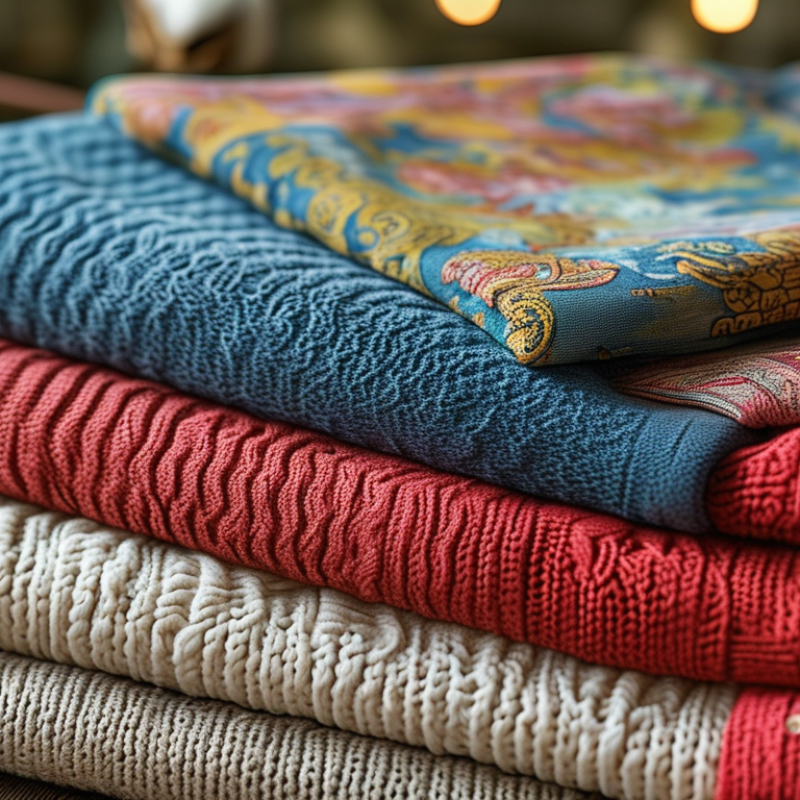
Cotton knit fabric comes in various types, each with unique properties. Understanding these types ensures you choose the best one for your specific needs. Jersey knit, for instance, is lightweight and stretchy. It’s ideal for casual wear and t-shirts. On the other hand, rib knit is more textured and provides more elasticity. This makes it a great option for fitted garments like cuffs or neckline finishes.
Then there's interlock knit, known for its thickness and softness. It offers a smooth surface on both sides, making it an excellent choice for baby clothes or soft loungewear. But consider weight; heavier fabrics might not suit all applications. While they provide warmth, they can be cumbersome for summer attire. Pay attention to the fabric's breathability, too. Some cotton knits can trap heat, which isn’t always comfortable.
Reflecting on comfort is essential. Sometimes, people overlook the feel of the fabric. It’s crucial to test fabric samples against your skin. Some knits may irritate sensitive skin, while others may surprise you with their softness. Choosing the right cotton knit is more than just a selection process; it’s about understanding how each type interacts with your lifestyle and preferences.
Evaluating Fabric Weight and Thickness for Your Projects
When selecting cotton knitted fabric, evaluating weight and thickness is essential. Fabric weight, measured in grams per square meter (GSM), affects the final product's durability and drape. A heavier fabric often provides warmth and sturdiness, making it suitable for outerwear. However, lighter fabrics offer breathability, ideal for t-shirts or summer outfits.
Thickness is equally important. Thicker fabrics tend to have more structure, which can be beneficial for projects requiring more support. A medium-thickness fabric strikes a balance, while very thin materials might not provide the support needed for certain designs. Assess the intended use carefully. A lightweight fabric may be too flimsy for a structured dress, while too thick of a fabric can make it difficult to achieve delicate details.
Consider your project’s requirements. Will it need to withstand wear and tear? Or should it flow gracefully? Sometimes, the fabric doesn’t meet expectations after cutting. It may lose its intended shape or drape. This reflection highlights the need for thorough evaluation before buying. Getting it right involves experimenting with swatches. Each project is a learning experience, revealing preferences in weight and thickness as you go.
Identifying the Right Stretch and Elasticity for Comfort
When selecting cotton knitted fabric, understanding stretch and elasticity is crucial for comfort. Research shows that proper elasticity can improve garment fit by 30%, enhancing both appearance and comfort. Feel the fabric. Is it too stiff or perfectly snug? High-quality cotton should return to its original shape after stretching. Look for fabrics with a balanced blend of cotton and elastane. This combination offers versatility in movement without compromising structure.
Consider the weight of the fabric. Lightweight knits provide breathability while heavier knits offer warmth. According to industry reports, lighter weights typically stretch more, making them ideal for fitted designs. However, heavier options may retain their shape better. Think about the end use. For activewear, choose fabrics with a minimum of 5% elasticity. This little detail can mean the difference between comfort and restriction during physical activities.
Evaluate the recovery factor. Some fabrics lose elasticity over time, while others maintain their stretch. A study noted that fabrics made with high-quality threads showed only 15% reduction in elasticity after multiple washes. This durability is key when choosing a fabric meant for frequent wear. Always consider how fabric behaves over time. It's not just about initial comfort; longevity matters too.
How to Choose the Best Cotton Knitted Fabric for Your Needs? - Identifying the Right Stretch and Elasticity for Comfort
| Fabric Type |
Stretch Level (%) |
Elasticity |
Common Uses |
Comfort Level |
| Single Jersey |
20-30% |
Good |
T-Shirts, Light Sweaters |
High |
| Ribbing |
30-50% |
Excellent |
Cuffs, Collars |
Very High |
| Pique |
15-25% |
Moderate |
Polo Shirts, Active Wear |
High |
| Interlock |
10-20% |
Good |
Leggings, Yoga Pants |
Very High |
| French Terry |
20-35% |
Good |
Sweatshirts, Casual Wear |
High |
Considering Care Instructions and Durability in Fabric Selection
When selecting cotton knitted fabric, care instructions and durability are crucial factors. Not all cotton fabrics are equal in maintenance. Some require gentle washing, while others can withstand harsher care. This affects the longevity of the fabric and its performance over time. Researching these care instructions helps avoid potential mishaps.
Durability is another key consideration. Fabrics with tighter knits are often more resilient. They resist wear and tear better than looser constructions. However, they may lack breathability. Striking a balance between comfort and durability can be challenging. It’s important to assess how the fabric will be used. For activewear, flexibility and support may take precedence.
Observing how different fabrics react over time is essential. Some materials may lose shape or color after several washes. It's worth experimenting with samples before committing. Testing various options allows for a more informed, experiential decision. Make sure to reflect on how often the fabric will be used. The frequency of washing can significantly impact its lifespan.
Exploring Color and Pattern Options to Match Your Style
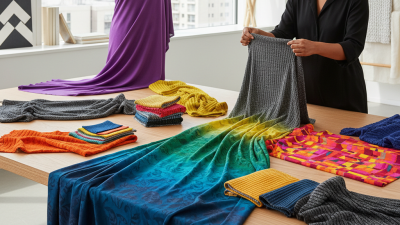
Choosing the right cotton knitted fabric can greatly enhance your wardrobe. Color and pattern can define your style. Consider how these elements reflect your personality. Bright colors can uplift your mood. On the other hand, pastel shades offer a serene vibe.
When selecting patterns, think about their impact. Stripes can add a fun, playful element. Floral prints give a fresh and feminine touch. Each design tells a story and can evoke different feelings. Don’t hesitate to experiment with unexpected combinations. Mixing patterns can create a unique look, but be cautious. Balance is key.
Tips: Evaluate how the fabric feels against your skin. Comfort is essential. Look for colors that complement your existing wardrobe. Don’t shy away from bold choices, but ensure they align with your personal style. Always consider the context where you’ll wear the fabric, as this influences how you express yourself through fashion.
Color and Pattern Preferences for Cotton Knitted Fabrics