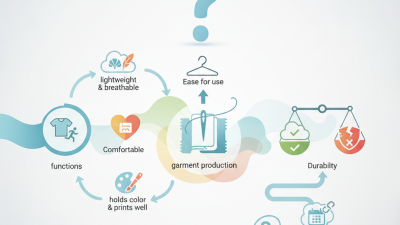
Choosing the best T-Shirt Single Jersey Fabric starts with how the shirt will be worn, washed, and made. A lightweight jersey can feel cool against the skin, but may cling or become transparent in bright light. A heavier option can offer more coverage, though it may feel warm during summer wear. The right choice depends on the garment’s purpose, not a single “best” specification.
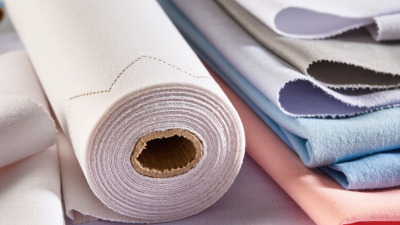
Fashion sustainability expert Orsola de Castro has said, “The most sustainable garment is the one already in your wardrobe.” That reminder makes durability worth considering alongside softness and price. Check the fabric’s fiber content, weight, stretch, recovery, and surface finish. Then examine a physical swatch. Hold it toward a window. Rub it gently between your fingers. A smooth sample may still twist after washing, and a soft hand feel does not guarantee lasting shape.
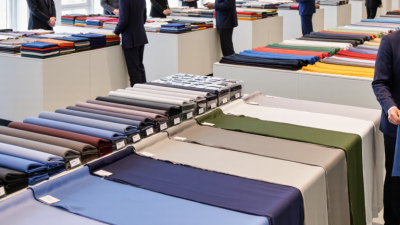
Ask suppliers for clear specifications and test samples using the care routine customers will follow. Compare shrinkage, pilling, color change, and seam behavior after laundering. Small differences matter. A cotton-rich jersey may suit a breathable everyday tee, while elastane can help a fitted style recover its shape. Still, fiber percentages alone cannot predict the whole result; yarn quality, knitting, and finishing also count. There is no magic label. Choose the fabric that meets your real performance needs, then document what your tests reveal. One honest limitation: a single swatch cannot represent every production batch.
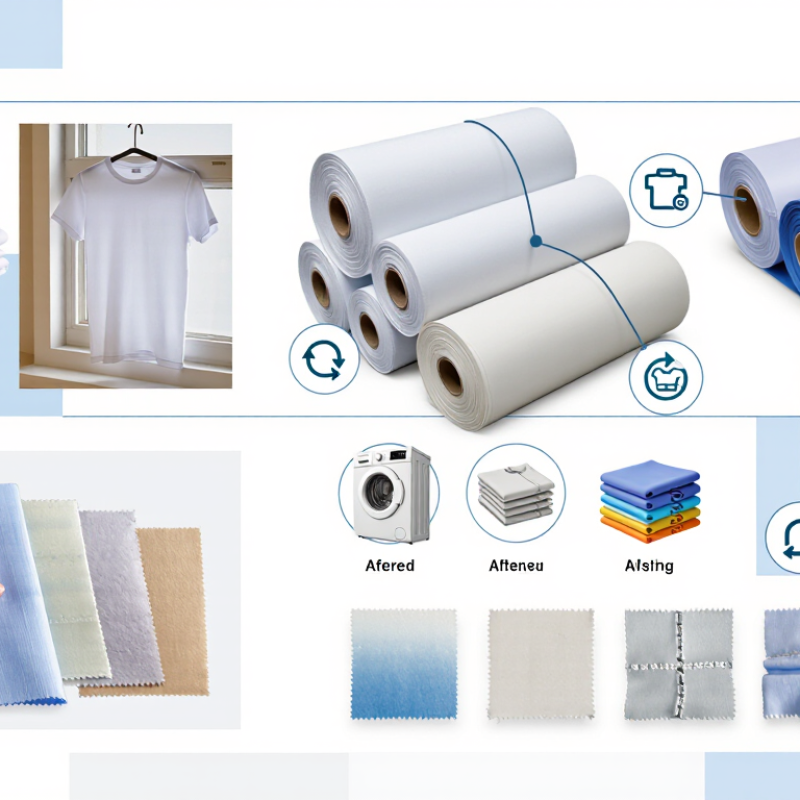
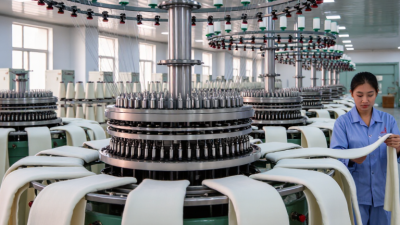
Single jersey is a weft-knit fabric formed from one set of intermeshing yarn loops. On a circular knitting machine, yarn feeds pass to needles on a single needle bed, which draw new loops through earlier ones, course by course. The fabric’s face shows small V-shaped stitches; its reverse has curved loops. Loops, not woven grids. This construction gives jersey natural stretch and a soft hand, though cut edges may curl.
Cotton, polyester, and blends are common yarn choices, but fiber choice is not the same as fabric construction. Textile Exchange’s Materials Market Report 2024 estimated global fiber production at 124 million tonnes in 2023; polyester represented 57 percent and cotton 20 percent. Those figures describe the wider fiber market, not single jersey specifically. They do, however, show why both fibers are relevant when comparing everyday T-shirt fabrics.
After knitting, the fabric may be washed, dyed, and finished to adjust its feel, dimensions, or appearance. In production, I would check weight, stitch density, and shrinkage after washing; a smooth sample can still twist at the side seams. There is no perfect setting. Tighter stitches can improve stability, but may reduce drape, so the intended fit and use should guide testing.
| Dimension | What to Know | How It Affects T-Shirt Choice |
|---|---|---|
| Fabric construction | Single jersey is a weft-knit fabric made with one set of needles. Its face typically shows vertical knit columns, while the reverse has a looped appearance. | It is commonly used for T-shirts because it is generally lightweight, flexible, and comfortable against the skin. |
| How it is made | Yarn is fed to the needles of a circular or flat knitting machine, where successive intermeshing loops form the fabric. The knitted fabric is then inspected, finished, and cut and sewn into garments. | Machine settings, yarn, and finishing all influence the final fabric’s weight, stretch, surface, and stability. |
| Fiber content | Single jersey can be knitted from cotton, polyester, viscose, or blends. Fiber properties vary; for example, polyester is often selected for durability and quick drying, while cotton is valued for its familiar soft hand. | Choose fiber content based on comfort, care requirements, drying time, durability, and the intended use of the shirt. |
| Fabric weight | Weight is commonly stated in grams per square metre (GSM). Lighter fabrics feel less substantial; heavier fabrics generally feel denser. There is no single weight range that defines all T-shirt jersey. | Compare samples at the same weight and check opacity, drape, and feel, rather than relying on GSM alone. |
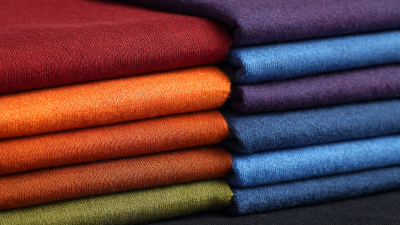
| Yarn and surface | Yarn construction and quality affect smoothness, appearance, and resistance to surface fuzz. Spun yarns are made from staple fibers; filament yarns consist of continuous fibers. | Assess the fabric face in good light and check for an even surface, consistent color, and a hand feel suited to the garment. |
| Stretch and recovery | The loop structure gives single jersey natural stretch, especially across the width. Recovery varies with fiber, knit structure, finishing, and whether elastane is included. | Gently stretch and release a sample to evaluate recovery. For a closer fit, check that the fabric returns to shape and meets the garment’s fit requirements. |
| Dimensional stability | Knitted fabrics can change dimensions during washing or drying. Shrinkage depends on fiber content, knitting, finishing, and care conditions. | Request or perform wash testing using the intended care method, and check length and width before and after washing. |
| Edge behavior | Single jersey can curl at cut edges, particularly along the fabric’s lengthwise edges. The degree of curling depends on fabric construction and finishing. | Consider cutting, handling, and seam construction during sampling and production planning. |
| Best-use checks | Useful checks include fabric weight, width, shade consistency, opacity, stretch and recovery, wash stability, and pilling performance where relevant. | Approve a representative sample and confirm test requirements before placing a bulk order. |