What Is the Best Fashion Knitted Fabric for 2026?
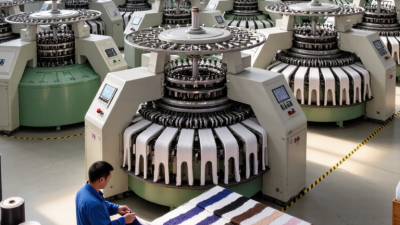
In 2026, the best Fashion Knitted Fabric will depend on the garment, wearer, and way it will be cared for. A soft handfeel alone cannot promise lasting comfort. Fiber content, knit structure, stretch recovery, pilling resistance, and wash performance all matter. A rib knit may suit a close-fitting top, while a stable interlock can provide a smoother surface for everyday pieces. Small details count.
Textile designer William Morris offered a useful design principle: “Have nothing in your houses that you do not know to be useful, or believe to be beautiful.” He was not discussing modern knitwear specifically, but his words offer a thoughtful test for fabric choices. Does the material perform well in use? Does its texture, drape, and appearance make the garment worth wearing? Both questions deserve attention.
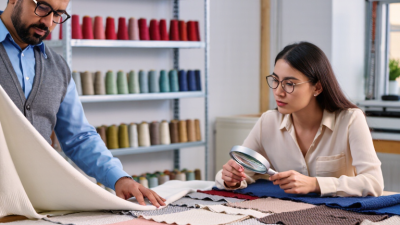
A swatch tells part of the story. Stretch it gently, let it recover, and examine the loops under good light. Then wash it according to the intended care instructions. Notice whether the surface pills, the color changes, or the edges curl. Not always. Results can vary with yarn, finishing, and garment construction. That uncertainty matters. A promising sample may still behave differently in a finished garment. This guide compares popular knit structures and fiber options for 2026, helping designers and buyers weigh comfort, durability, appearance, and care before choosing a fabric.
What Defines a Fashion Knitted Fabric in 2026?
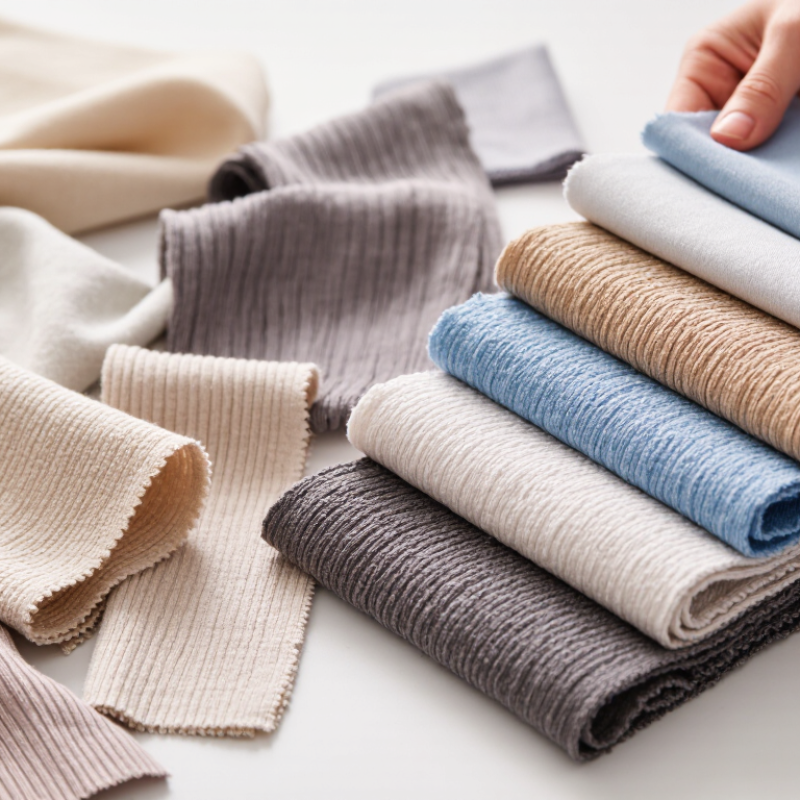
In 2026, a fashion knitted fabric is defined by more than its stitch pattern. It should feel right against the skin, hold its shape, and suit the garment’s real use. A ribbed cuff needs strong recovery; a lightweight jersey needs even loops and a smooth surface. Small flaws show quickly. A loose row can distort after washing, while excessive stretch may leave a neckline wavy.
Material choices matter, but claims need context.
Textile Exchange’s Materials Market Report 2024 estimates that global fiber production reached 124 million tonnes in 2023, with polyester representing 57% of the total.
That scale makes fiber sourcing important, yet recycled content alone does not make a knit responsible. Buyers should also check fiber traceability, fabric durability, care requirements, and whether construction can support repair or recycling. Feel matters.
The best fabric is therefore a practical match between yarn, stitch structure, finish, and intended wear. Ask for test results on pilling, dimensional stability, and colorfastness, rather than relying only on a soft hand sample. Still, this is not a neat formula. A fabric can test well and feel slightly lifeless, or feel beautiful but lose its shape. That tension deserves honest review before production.
Which Criteria Determine the Best Knitted Fabric?
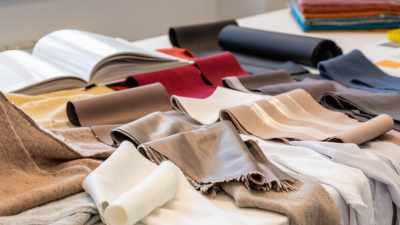
The best fashion knitted fabric for 2026 depends on its intended garment, not a single trend. A close-fitting top needs different stretch and recovery from a loose cardigan. Fiber content shapes softness, warmth, breathability, and care needs, while the knit structure affects drape and durability. Jersey feels light and fluid; rib knits offer more crosswise stretch. Interlock often feels denser. Small differences matter.
I still find softness easy to overrate. A fabric can feel lovely on a swatch but lose shape after washing. Check its weight, stitch density, opacity, and recovery by gently stretching and releasing it. Then wash a sample according to its care instructions and inspect for shrinkage, pilling, or twisting. That test helps. For a real garment, also examine seam stability and how the fabric moves at elbows or knees. These details reveal whether it suits everyday wear.
Consider climate, production consistency, and care requirements alongside appearance. Ask for fiber composition and test information where available; vague sustainability claims are not enough. Compare swatches in daylight, since color and surface texture can look different indoors. There is no perfect knit for every purpose. The right choice balances comfort, performance, construction, and the wearer’s habits.
How Do Leading Knit Types Compare in 2026?
In 2026, the best knit depends less on a trend label than on its intended use, recovery, and care.
Jersey is light and fluid, making it practical for T-shirts and close-fitting layers. It can curl at cut edges and show strain.
Small but relevant.
Rib knits stretch across the body and recover well, though they may relax after repeated wear. Interlock feels smoother and more stable on both faces, but can feel warmer. Piqué adds raised texture and airflow, while French terry offers loop-backed comfort without the extra warmth of brushed fleece.
Not interchangeable.
Textile Exchange’s Materials Market Report 2024 estimates global fiber production reached
124 million tonnes in 2023.
This is a fiber-supply figure, not proof that one knit construction has lower impact. For sourcing, compare fiber content, fabric weight, stretch recovery, pilling, and laundering results. A cotton rib and a recycled-polyester interlock cannot be ranked by structure alone.
Test swatches after washing; hand feel before washing can mislead.
That part is easy to miss.
Which Knitted Fabrics Suit Different Fashion Applications?
Choosing a knitted fabric starts with the garment’s job, not a trend forecast. For everyday T-shirts, cotton jersey feels soft and breathable, while a small amount of elastane can help the neckline recover. Lightweight single jersey drapes easily, but it may curl at the edges or show through in pale colors. Check it under daylight.
For leggings and close-fitting tops, stretch interlock or rib knits offer more coverage and recovery. A fabric that snaps back after a gentle stretch is usually a safer sample choice than one that stays wavy. Still, feel alone can mislead: test opacity, seams, and movement on a prototype. Active garments also need a suitable weight and construction for comfort during wear.
Sweaters and cardigans call for a different balance. Wool-rich knits can provide warmth and a textured surface; cotton or viscose blends may feel cooler and drape more fluidly. For structured dresses, ponte or a compact double knit can hold a clean silhouette without feeling like woven cloth. Ask suppliers for fiber content, fabric weight, and care guidance, then wash a swatch before approving bulk production. One sample rarely tells the whole story. Knitting tension and finishing can change the hand, shrinkage, and fit, so leave room to reassess.
How Can Designers Choose the Right Knit for a Collection?
Choosing a knit begins with the garment’s job, not a trend forecast. A close-fitting base layer needs recovery and a soft hand; a cardigan may need loft, warmth, and enough structure to hold its shape. Compare swatches after washing, not just under showroom lights. Check shrinkage, pilling, stretch recovery, and seam behavior.
Small tests matter.
The Textile Exchange Materials Market Report 2024 estimates global fiber production reached 124 million tonnes in 2023. That scale makes material choices worth examining, but a “better” fiber alone does not guarantee a better garment. Ask suppliers for fiber composition, certifications, and care guidance, then confirm claims against documentation. Match yarn and knit structure to the intended wear: a dense gauge can add stability, while an open stitch may improve airflow but snag more easily. Trade-offs are real.
Durability deserves equal weight. WRAP’s Valuing Our Clothes report found that extending clothing’s active life by nine months could reduce its carbon, water, and waste footprints by 20–30%. Choose a knit that suits the expected care routine and can keep its appearance through repeated wear. No swatch tells the whole story. A promising sample may still distort at the elbow or lose softness after washing. That uncertainty is worth testing before committing to a collection.