Why Choose Single Jersey Fabric for Clothing?
Single jersey is one of the most familiar fabrics in everyday clothing, from soft T-shirts to lightweight dresses. Its knitted loops create a smooth face and a subtly textured reverse. The fabric often stretches more across its width than along its length, helping garments move with the body. The exact feel depends on yarn, fiber, stitch density, and finishing. A cotton version may feel cool and absorbent; a polyester blend can dry faster. Small differences matter.
The wider materials picture helps explain why fabric choice deserves care. Textile Exchange’s Materials Market Report 2024 estimates that global fiber production reached 124 million tonnes in 2023. That figure describes the industry, not single jersey specifically, but it highlights the scale of material decisions behind clothing. In this guide, Functions'single Jersey Fabric refers to the practical qualities designers and buyers assess, including comfort, drape, weight, stretch, and care needs. A swatch can reveal more than a product label: hold it to the light, stretch it gently, and check whether the edges curl. It is not magic. Lightweight jersey may cling, pill, or lose shape when its yarn and construction are poorly suited to the garment. I would not call it a universal solution. Knowing its strengths—and its limits—makes it easier to choose the right single jersey for a real wardrobe.
What Single Jersey Fabric Is
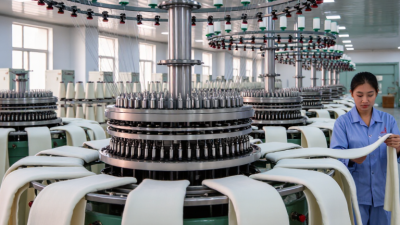
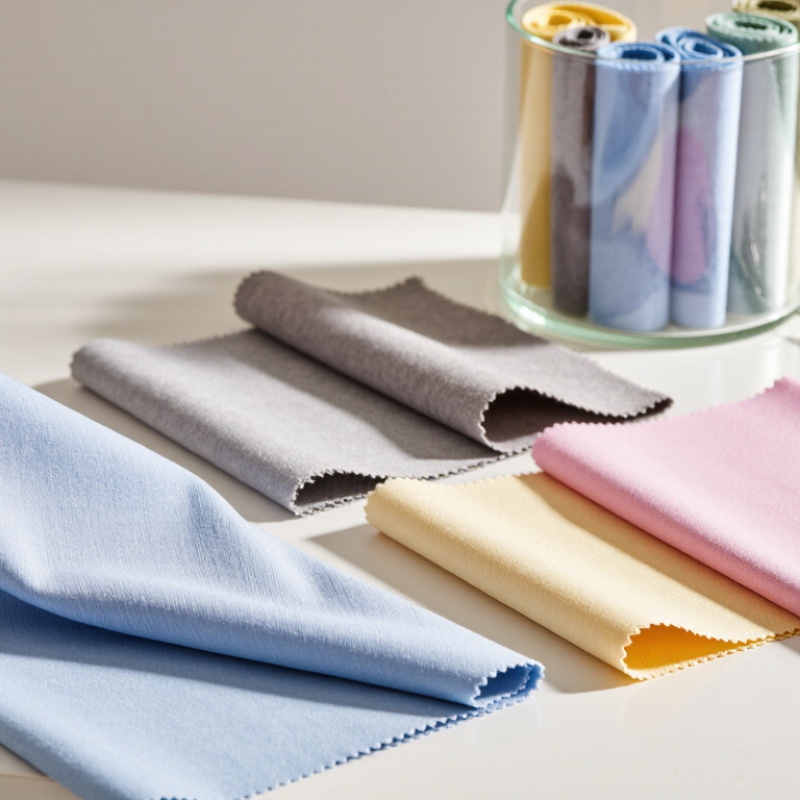
Single jersey is a weft-knit fabric made with one set of needles. Its face shows neat V-shaped stitches; the reverse has small loops. This difference gives the fabric a recognizable front and back. It usually feels light and stretches across the body, making it common in T-shirts, sleepwear, and casual dresses. It is not perfect. Cut edges can curl, and the fabric may twist after washing if yarn quality, knitting tension, or finishing is inconsistent. Calling every single jersey “breathable” would be careless: fiber content, fabric weight, and garment construction all affect comfort.
Textile Exchange’s 2024 Materials Market Report estimates that global fiber production reached 124 million tonnes in 2023. That figure describes the wider textile supply, not single jersey alone, but it highlights the range of fibers available for knitted fabrics. Single jersey can be made from cotton, synthetics, or blended yarns, and each choice changes the hand feel and care needs. For a real garment, check the fabric weight, stretch recovery, and wash behavior—not just the knit name. A soft sample can still lose shape. Small details matter.
How Its Knit Structure Affects Comfort and Performance
Single jersey is formed from one set of interlocking yarn loops, creating a smooth face and a looped back. Those loops bend and shift as the fabric moves, so a T-shirt can flex at the elbow without feeling like a woven shirt. Small loops matter. They also create room for air to pass through, though airflow depends on yarn size, stitch density, and finishing—not the knit name alone. ASTM D737 provides a standardized method for measuring fabric air permeability, a useful check when comparing samples.
Fiber content changes the feel, too. ASTM D1909 lists commercial moisture-regain values of 8.5% for cotton and 0.4% for polyester. These figures describe fiber reference values, not how much sweat a finished garment will move away from skin. That distinction is easy to miss. Cotton-rich jersey often feels soft and absorbs moisture, while synthetic blends may dry faster; actual results vary with yarn and fabric construction. Single jersey can also curl at the edges and lose shape after repeated wear. ASTM D2594 measures stretch and growth in knitted fabrics, helping manufacturers assess that trade-off. A fabric swatch may feel springy on the table, then bag at the knees after a long day.
Why Choose Single Jersey Fabric for Clothing?
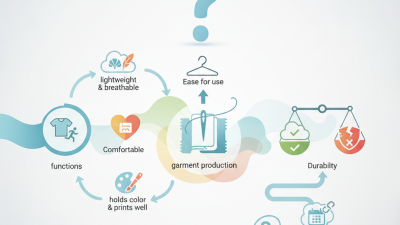
Single jersey is a lightweight, single-knit structure that generally offers good breathability and drape. Its edges tend to curl, and its stretch and shape retention are usually lower than rib knit. Ratings show typical structural tendencies, not standardized test results; actual performance varies with yarn, fabric weight, and finishing.
Key Advantages of Single Jersey for Clothing
Single jersey is a lightweight knitted fabric with a smooth face and a slightly textured back. Its soft hand and natural stretch make it comfortable for T-shirts, sleepwear, dresses, and casual layers. The fabric follows the body without feeling as rigid as many woven materials. That flexibility helps when reaching, bending, or moving through a busy day.
Its construction also supports efficient garment production. Single jersey is generally easy to cut and sew, and its smooth surface works well for prints and simple finishing. In sampling, check how the fabric recovers after stretching; some versions may lose shape at cuffs or hems. Small details matter. Fiber content and fabric weight affect drape, breathability, and durability, so a cotton-rich jersey may feel different from a synthetic blend. For warm-weather tops, a lighter weight can feel airy, though it may show through more easily. A heavier knit can offer better coverage but feel warmer. There is no perfect choice for every garment. Test a sample. Wash it, hang it, and check whether the seams twist or the fabric shrinks before confirming the design.
Clothing Types Best Suited to Single Jersey
Single jersey suits everyday clothing that needs softness and easy movement. T-shirts are a natural choice: the smooth surface feels comfortable against skin, while the knit gives gently at the shoulders and elbows. It also works well for casual dresses, lightweight tops, nightwear, and baby bodysuits. These garments benefit from fabric that drapes without feeling stiff.
For fitted tops, skirts, or leggings, choose a jersey with enough weight and recovery. A very light fabric may cling or become see-through when stretched. That detail matters. Single jersey can curl at cut edges, so neat hems and stable seams help the garment hold its shape. It is practical for simple designs, but I would think twice before using it for sharply structured clothing. The result may feel too soft.
Tips:
Check the fabric in daylight, then stretch a small section gently. Look for good coverage, recovery, and a smooth feel. Wash a sample before cutting; some jerseys shrink or twist slightly. Don’t skip that step.
Factors to Consider When Choosing Single Jersey Fabric
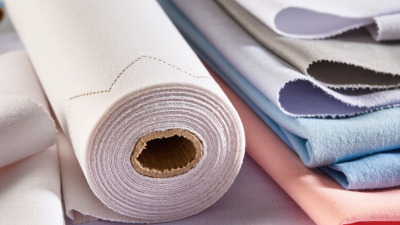
Choosing single jersey starts with the garment’s purpose, not just its soft feel. A lightweight cotton jersey suits warm-weather T-shirts, while a denser knit may provide better coverage for leggings or fitted tops. Ask for the fabric weight in grams per square metre, then compare it with a sample held against daylight. If the outline of your hand shows clearly, the garment may need a lining or a different weight. Check fiber content, too. Cotton absorbs moisture and feels familiar, while polyester blends often dry faster. A small amount of elastane can improve stretch recovery, but it does not guarantee a lasting fit.
Feel the fabric and stretch it across both directions. Does it spring back, or stay slightly wavy? That small difference matters at cuffs and necklines. Single jersey can curl at cut edges, so construction and finishing affect how easily it can be sewn and worn. Request a washed sample when possible; shrinkage and color changes can be hard to judge from an untouched swatch. Feel it first. Also consider the intended care routine: a delicate finish may look appealing but prove inconvenient for everyday clothing. Fabric selection is rarely exact, and a sample may behave differently once cut into a full garment.