Top 10 Weft Knitted Fabric Suppliers Worldwide
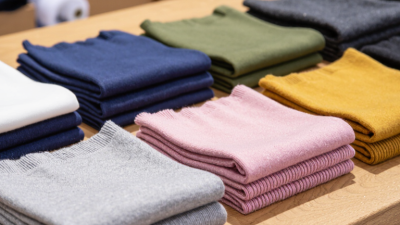
Weft-Knitted Fabric appears in T-shirts, activewear, underwear, and many everyday textiles. Its stretch, drape, weight, and surface depend on yarn choice, machine settings, and finishing. A fabric that looks smooth on a sample card may behave differently after washing or sewing. Details matter.
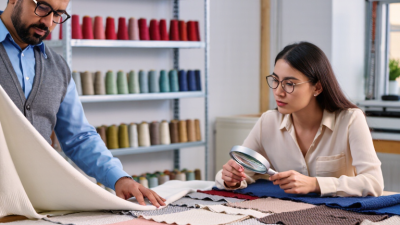
This guide introduces ten suppliers serving buyers across different regions and production needs. It considers practical factors such as fabric range, customization, sampling, order quantities, lead times, and quality documentation. These details can help sourcing teams prepare useful questions before requesting quotations. They should also ask how suppliers test shrinkage, colorfastness, and fabric weight, and whether test reports match the intended order. A polished website alone does not confirm production capacity. Samples and clear specifications provide better evidence.
Supplier strengths vary. Some may offer broad product catalogs, while others focus on particular fibers, structures, or finishing processes. A ranking can simplify a market that is anything but simple. It is not a perfect measure. The right partner depends on the end use, budget, delivery schedule, and required consistency between batches. Buyers should verify current capabilities directly, since product ranges and production arrangements can change. The profiles below offer a starting point, not a substitute for careful evaluation.
Weft Knitting Basics: Courses, Wales, and Machine-Gauge Specifications
Weft knitting forms fabric by making loops across the width of a course. In Wales, learners can explore textile technology, fashion, or manufacturing courses. Check whether a course includes machine practice, not only design work. A useful session lets students thread yarn, adjust tension, and inspect a knitted swatch under good light. Small details matter.
On the machine floor, a loose yarn feed can create uneven loops, while excessive tension may make fabric curl or feel stiff. Learners should compare samples made with different yarns and settings. This makes course notes easier to connect with real production. I have found that a tidy sample can still hide a weak edge, so checking more than the center is worthwhile.
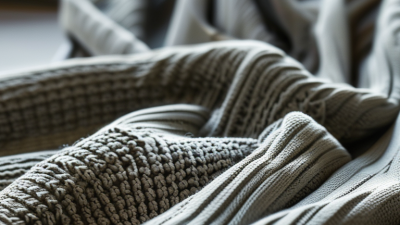
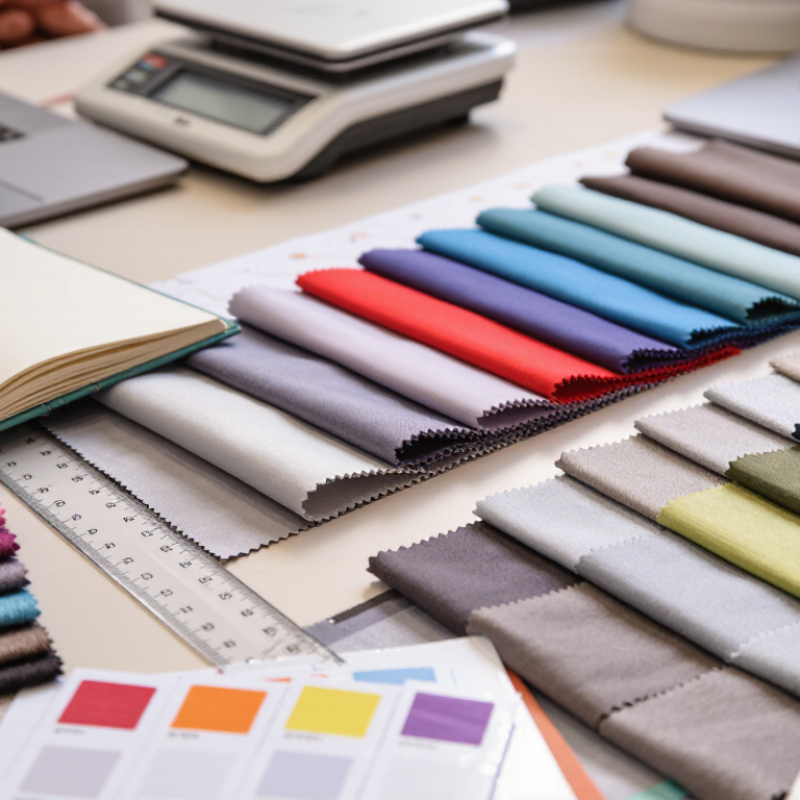
Machine gauge usually describes the number of needles per inch, though conventions can vary by machine type. A finer gauge often supports finer yarn and smaller loops, but it does not guarantee a particular fabric weight or feel. Cylinder size, needle condition, yarn properties, and stitch settings also matter. Ask suppliers to state the machine type, gauge, yarn, and finished-fabric measurements. Then request a swatch. It is not always tidy. Compare its stretch, recovery, and surface before choosing a specification.
Global Supplier Landscape: Compare 10 Mills by Capacity, MOQ, and Lead Time
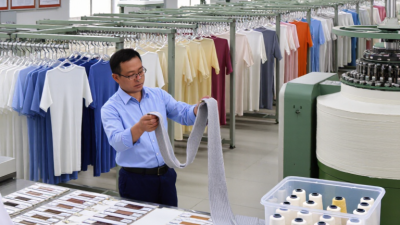
A comparison of 10 weft knitted fabric mills is most useful when it separates stated capacity from available capacity. Ask each supplier for monthly output by fabric type, machine gauge, and finishing route. A mill may produce large volumes overall but have limited room for a specific interlock or rib construction. Capacity figures need context. Request recent production ranges, not just maximum figures, and confirm whether your order would share machine time with other programs.
MOQ and lead time can change the real cost of a supplier. Compare minimums for greige fabric, dyed fabric, and custom finishes separately; they may differ considerably. Ask whether lead time begins after yarn approval, color approval, or deposit. Include sampling, lab dips, knitting, dyeing, inspection, and packing in the schedule. Small orders may face higher unit costs or longer waits. That detail matters. Review a physical swatch for weight, stretch recovery, width, and surface consistency before confirming specifications. I would not rank mills by a single capacity number: production availability shifts, and a short quoted lead time can exclude finishing or testing. Get the assumptions in writing.
Fabric Testing: ISO 139 Conditioning at 20 ± 2°C and 65 ± 4% RH
When comparing weft knitted fabric suppliers, ask how test specimens are conditioned before measurements begin. ISO 139 sets a standard textile atmosphere of 20 ± 2°C and 65 ± 4% relative humidity. The fabric should remain in that environment until its moisture content reaches equilibrium. Not instantly. A thick rib knit may need more time than a light single jersey, so a fixed short wait can produce misleading results.
These conditions matter because humidity can affect fabric mass, dimensions, and some performance readings. A few percentage points of moisture may shift a result enough to complicate comparisons between mills. Ask for the conditioning duration, room records, and test method alongside the reported data. Check that samples are exposed freely, not folded tightly or placed against a humidifier. Simple details count. If two samples were tested under different conditions, their figures may not be directly comparable, even when the same instrument was used. A tidy report is useful, but it cannot capture every production variation; that limitation deserves honest attention.
Quality Verification: Measure Fabric Mass Using ASTM D3776/D3776M
For weft knitted fabrics, mass per unit area is more than a specification-sheet number. It can reveal whether a sample matches the agreed construction and whether different rolls are reasonably consistent. ASTM D3776/D3776M provides test methods for determining fabric mass per unit area. Select the method that fits the material and sampling situation, then record it clearly. Small detail, big impact.
Knits can distort when pulled, so let the fabric relax before cutting specimens. Measure each specimen accurately, weigh it on a calibrated balance, and calculate the result in grams per square metre. Take samples from more than one roll position when possible. Report the sampling method, conditioning conditions, and individual results—not just an average. A single neat figure can hide real variation.
The scale of textile sourcing makes careful checks useful: Textile Exchange’s Materials Market Report 2024 estimated global fibre production at 124 million tonnes in 2023. That figure covers fibres, not knitted fabric, and does not prove any supplier’s quality. It does underline why traceable specifications matter. One limitation remains: mass alone cannot confirm stretch recovery, surface appearance, or dimensional stability. Pair the result with relevant performance tests, and note any uncertainty rather than polishing it away.
Supplier Selection: Match Fiber Blend, End Use, Certifications, and Capability
A reliable weft knitted fabric supplier should match the fabric to its real use, not just quote a popular fiber blend. For a soft T-shirt, cotton with a modest elastane share may offer comfort and shape recovery. Activewear often needs stronger stretch, moisture management, and stable dye performance. Ask for the fabric weight, width, shrinkage results, and a sample after washing. Small details matter. A fabric that feels smooth on a cutting table may twist after laundering.
Certifications should fit the product and the buyer’s requirements. Request current documents, check their scope, and confirm they cover the relevant facility or material. A certificate alone does not prove that every production lot will perform consistently. Ask how the supplier controls yarn input, machine settings, and final inspection. Ask for proof. Then compare test results with your own end-use standards, such as pilling, bursting strength, or colorfastness.
Capability matters just as much as composition. Confirm minimum order quantities, sample lead times, available machine gauges, and whether the supplier can repeat a shade across production runs. If the fabric is for children’s clothing or close-fitting garments, discuss hand feel and skin-contact requirements early. I would still verify claims independently; it is easy to overlook a small mismatch between a sample and bulk production. A clear specification sheet helps both sides catch it.